
Many myths about electric cars are misleading; they’re not limited in range, as modern EVs can go over 300 miles on a single charge. Charging stations are more common than you think, and fast chargers cut charging times dramatically. EVs are becoming more affordable with incentives, and batteries now last over a decade with minimal deterioration. They’re eco-friendly, offering zero tailpipe emissions, and often outperform gas vehicles in speed and performance. Keep exploring to see how these facts shape the future of driving.
Key Takeaways
- Modern EV batteries are durable, typically lasting 8-10+ years with minimal deterioration, debunking longevity myths.
- Charging times have improved significantly with fast chargers, reducing concerns about long refueling times.
- Electric vehicles often outperform gas cars in speed, acceleration, and handling, contrary to beliefs they are less powerful.
- The environmental impact of EVs decreases over time as renewable energy use increases for charging.
- Battery production has a higher initial footprint, but overall EVs are more eco-friendly due to zero tailpipe emissions and cleaner energy sources.

Jump Starter with Air Compressor, 8000A Car Battery Jump Starter (9.0 Gas/8.0L Diesel), 180PSI Car Battery Jumper Starter Portable 12V Jump Box with Jumper Cables, LED Light, Power Bank, LCD Display
Power Car Jump Starter: This portable car jump starter offers a peak power of 8000A. A full charge…
As an affiliate, we earn on qualifying purchases.
As an affiliate, we earn on qualifying purchases.
Electric Cars Have Limited Range
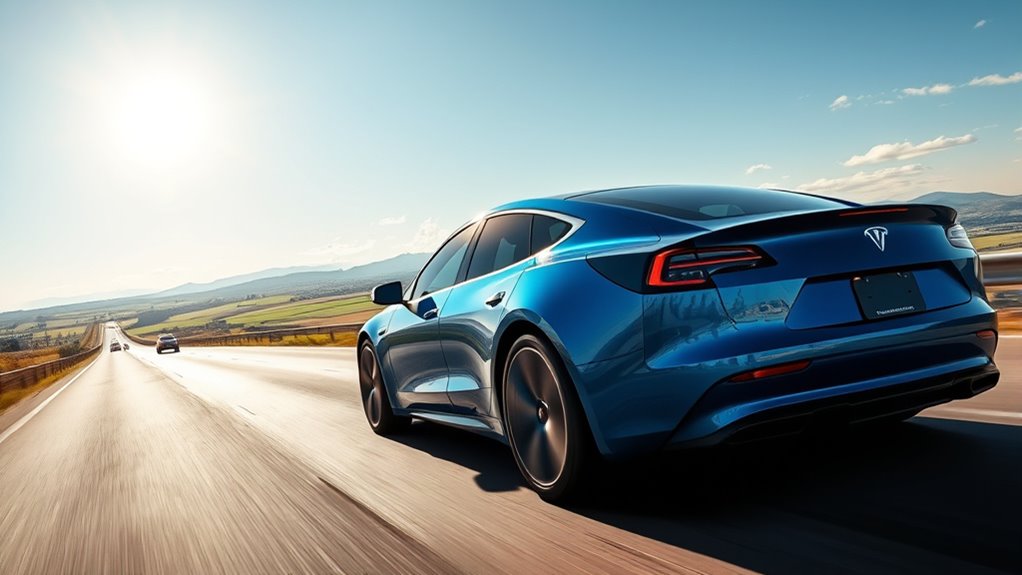
Many people believe that electric cars can’t go far without frequent recharging, but advances in battery technology have considerably extended their range. Modern electric vehicles now offer enough mileage to handle daily commutes and longer trips, reducing range anxiety. Improvements in battery life mean you can travel farther on a single charge than ever before. Manufacturers have increased battery capacities, allowing some models to cover over 300 miles on a full charge. This progress dispels the myth that electric cars are limited in how far they can go. With better energy density and smarter design, electric cars are becoming more practical for everyday use and road trips alike. You no longer need to worry about constantly finding charging stations or running out of power midway. Additionally, high-efficiency motors contribute to better overall range and performance, and ongoing innovations in battery management systems help optimize energy use and extend battery lifespan. These advancements are driven by continuous research and development in battery technology, further enhancing electric vehicle capabilities. Moreover, the integration of lightweight materials in vehicle construction helps improve efficiency and extend driving range.

Level 2 EV Charger 40 Amp, 9.6kW Fast Portable Electric Vehicle Charging Stations Current/Timing Delay with NEMA 14-50P and 23FT J1772 Charger, 240V Home Electric Car Charger for BEVs & PHEVs
8X FASTER CHARGING: This mobile electric EV charger operates at Level 2 with 40Amp/240V, delivering a powerful 9.6KW…
As an affiliate, we earn on qualifying purchases.
As an affiliate, we earn on qualifying purchases.
Charging Stations Are Scarce and Inconvenient
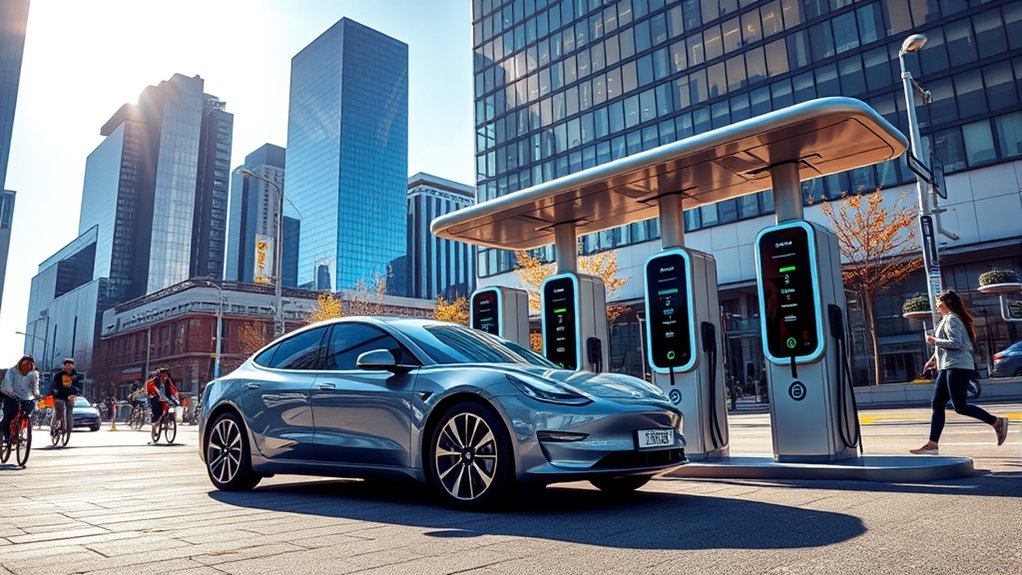
Although charging stations were once considered sparse and hard to find, the network has expanded rapidly in recent years. Today, the charging infrastructure is more widespread than ever, making it easier for you to locate a station when you need one. Many public places, workplaces, and shopping centers now offer charging points, reducing range anxiety and increasing convenience factors. Fast chargers can give you a substantial boost in just 30 minutes, making long trips more practical. Additionally, home charging options allow you to start each day with a full battery without hassle. The growing network ensures that charging your electric vehicle is no longer an inconvenience but a seamless part of your routine, dispelling the myth that charging stations are scarce. Trusted businesses and services dedicated to EV support continue to expand, further enhancing charging infrastructure accessibility. As the electric vehicle market continues to grow, the expansion of charging stations is expected to keep pace with consumer demand, further easing the transition to sustainable transportation. Increasing investments in public charging networks are also contributing to this positive trend, ensuring that infrastructure development remains aligned with user needs. Moreover, advancements in charging technology are making stations more efficient and user-friendly, encouraging wider adoption.

EVIQO Level 2 EV Charger, 40 Amp, J1772 for Non-Tesla EVs, 25ft Cable, WiFi (2.4GHz) Smart App, Weatherproof Indoor/Outdoor (IP66, NEMA 4), UL & ETL Certified, NEMA 14-50 Plug-in 240V, 9.6kW
WAKE UP FULLY CHARGED: EVIQO Level 2 EV charger with a max output of 40A (9.6 kW) fully…
As an affiliate, we earn on qualifying purchases.
As an affiliate, we earn on qualifying purchases.
Electric Vehicles Are Too Expensive for Most People
Many people believe electric vehicles are too costly, but falling battery prices are making them more affordable. Plus, incentives and rebates can substantially lower your upfront expenses. These factors are changing the true cost of owning an EV. Additionally, understanding the interest rate applied to financing options can help you better evaluate the true affordability of electric cars. For example, battery technology improvements are significantly reducing manufacturing costs, which benefits consumers. Moreover, considering the Gold IRA Rollovers process can offer alternative investment strategies that may enhance your long-term financial security. As technology advances and economies of scale improve, the overall cost of EV ownership continues to decrease, making them an increasingly practical choice for many consumers. The ongoing development of precious metal IRAs can also provide diversified investment options that support long-term financial goals.
Falling Battery Costs
As battery costs for electric vehicles continue to fall, the idea that EVs are too expensive for most people no longer holds true. Lower battery prices make EVs more affordable and help drive down overall vehicle costs. Advances in battery recycling also extend battery life and reduce material costs, contributing to more economical EV production. Additionally, improved grid integration allows for better energy management, making EV charging more cost-effective and efficient. These developments not only make electric cars more accessible but also support a sustainable future by reducing reliance on raw materials and minimizing waste. With falling battery costs and smarter energy solutions, electric vehicles are becoming a practical choice for everyday drivers, no longer reserved for early adopters or luxury buyers.
Incentives and Rebates
You might think electric vehicles are still too expensive for most people, but government incentives and rebates are changing that perception. Tax credits can dramatically reduce the upfront cost, sometimes lowering prices by thousands of dollars. Many rebate programs are available at the federal, state, or local level, making EVs more affordable for a wider audience. These incentives aim to encourage adoption and help offset higher initial prices compared to traditional cars. By taking advantage of these programs, you can save money while contributing to a cleaner environment. It’s important to research what rebates and tax credits are available in your area, as they vary by location and vehicle type. Additionally, innovations in electric vehicle technology are beginning to influence the automotive industry, including the development of more efficient and sustainable electric vehicle technologies. Understanding government incentives can help consumers maximize savings and make informed purchasing decisions. Staying informed about electric vehicle policies is essential for navigating the evolving landscape of incentives and rebates. Moreover, cost-of-ownership analysis can provide a clearer picture of long-term savings and benefits. Overall, incentives make electric cars a more accessible and cost-effective choice for many consumers.

EZRED BMK1914 5-Piece Battery Maintenance Kit
BATTERY MAINTENANCE KIT: This kit includes every tool that you'll need to service or change a battery in…
As an affiliate, we earn on qualifying purchases.
As an affiliate, we earn on qualifying purchases.
Batteries Are Unreliable and Deteriorate Quickly
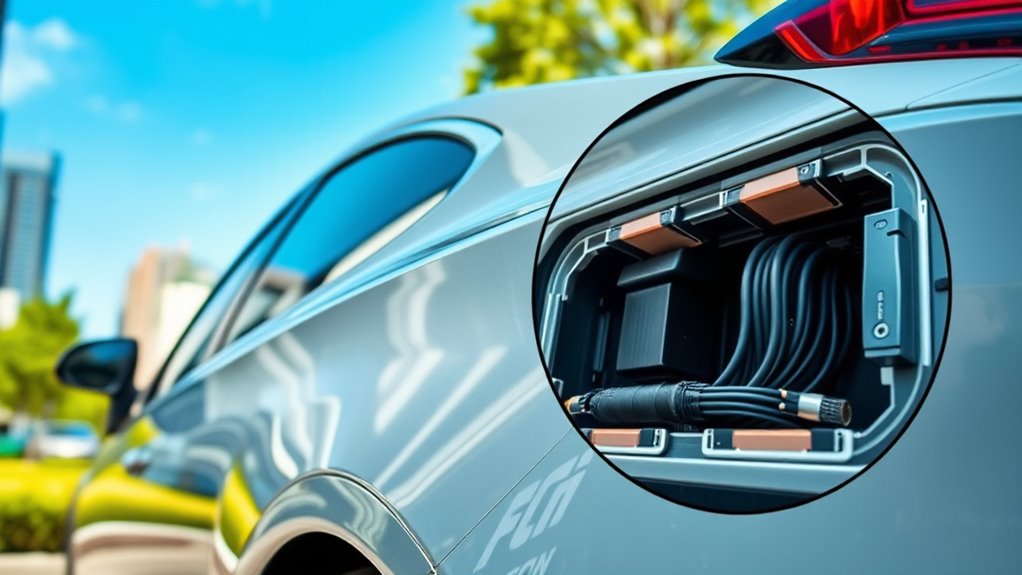
While concerns about battery reliability are common, modern electric vehicle batteries are built to last. Advances in technology have markedly extended their battery lifespan, often exceeding 8 to 10 years or more with minimal deterioration. Most manufacturers offer warranties that cover battery performance for several years, easing worries about sudden failures. Even as batteries age, their capacity gradually decreases, but this doesn’t mean your car will stop working. When replacement is needed, the costs are decreasing as production scales up, making battery replacement more affordable. Additionally, battery longevity has improved significantly due to ongoing research and development. For example, battery management systems help monitor and optimize battery health, further extending their lifespan. Continuous technological innovation in battery chemistry and design ensures ongoing improvements in durability and performance. Research advances continue to push the boundaries of battery durability and efficiency. Overall, electric car batteries are durable and reliable, designed to support your vehicle’s longevity. So, you don’t need to fear rapid deterioration—your EV’s battery is built to endure.
Electric Cars Are Not Really Eco-Friendly
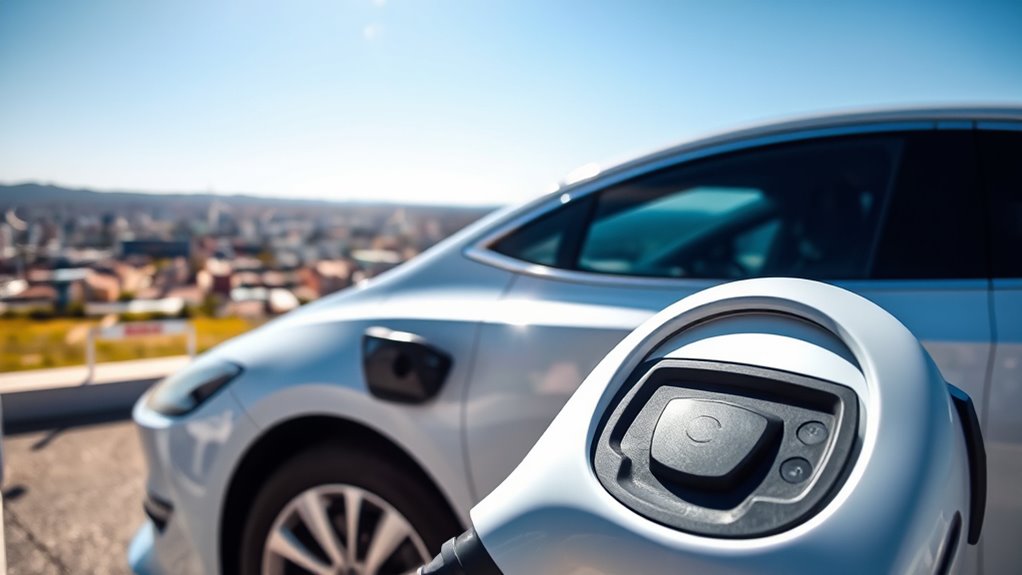
Many worry that electric cars aren’t truly eco-friendly, but this perception often overlooks their environmental benefits. While producing batteries can initially create a larger carbon footprint, the overall impact diminishes over time, especially as more charging sources rely on renewable energy. Electric vehicles emit no tailpipe emissions, reducing air pollution and greenhouse gases. Their reliance on cleaner energy sources means they contribute less to climate change than traditional gas-powered cars. As the grid becomes greener, the eco-friendliness of electric cars improves even further. It’s important to recognize that their full environmental benefit depends on how electricity is generated. When powered by renewable energy, electric cars markedly lower your carbon footprint, making them a smarter, more sustainable choice for the future.
Charging Takes Too Long Compared to Gas Refueling

Charging an electric car still takes markedly longer than filling up a gas tank, which can be inconvenient for drivers on tight schedules. However, with fast charging stations becoming more common, you can recharge your battery up to 80% in about 30 minutes. Public infrastructure is expanding rapidly, making it easier to find charging points on long trips. These fast chargers considerably reduce downtime, allowing you to get back on the road quickly. While home charging might take longer overnight, quick access to public fast chargers minimizes the time difference between electric and gas refueling. As infrastructure improves, charging speed and availability will continue to get better, making long-distance travel and daily commutes more convenient than ever before.
Electric Cars Can’t Perform as Well as Gas Vehicles
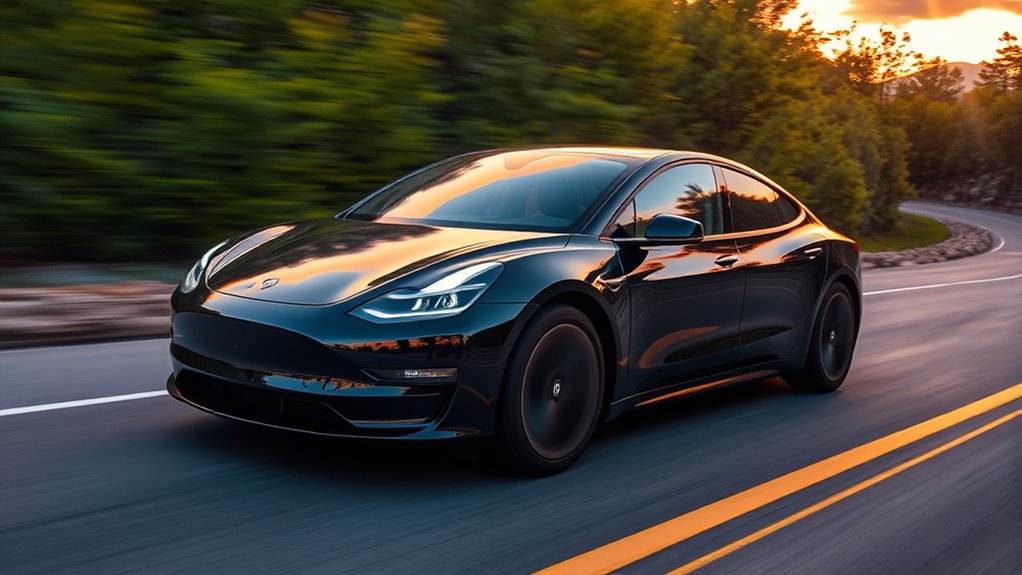
Electric cars now deliver performance that often surpasses traditional gas vehicles, with instant torque providing quick acceleration and smooth handling. When you evaluate performance metrics like zero-to-sixty times and top speeds, electric models frequently outperform their gas counterparts. This means your driving experience becomes more responsive and exhilarating, whether you’re merging onto highways or steering through city streets. Modern electric vehicles feature advanced powertrains that deliver consistent, powerful performance without the lag or hesitation sometimes associated with internal combustion engines. Many drivers find that the thrill of rapid acceleration and precise handling makes electric cars just as, if not more, capable than gas vehicles. So, if you’re concerned about performance, rest assured that electric cars today are built to impress and deliver a dynamic driving experience.
Frequently Asked Questions
How Long Do Electric Car Batteries Typically Last Before Replacement?
Your electric car battery typically lasts between 8 to 15 years before needing replacement. Battery degradation happens gradually, often reducing range but not impacting safety. When replacement becomes necessary, costs vary but have decreased over time, making new batteries more affordable. Proper maintenance and driving habits can extend battery life, so you won’t need to worry about frequent replacements. Most manufacturers offer warranties that cover several years, giving you peace of mind.
Are Electric Cars Suitable for Long-Distance Travel?
Yes, electric cars are suitable for long-distance travel. Imagine cruising on a long road trip, feeling confident despite the distance. Modern EVs have impressive ranges, and the expanding charging infrastructure makes stopping for quick charges convenient. While you’ll need to plan your route around charging stations, advances in battery tech and fast chargers mean you can enjoy long journeys with ease and confidence.
What Incentives or Subsidies Are Available for Electric Vehicle Buyers?
You can benefit from government rebates and tax credits when buying an electric vehicle. These incentives often reduce the overall purchase price, making EVs more affordable. Many governments offer substantial rebates or tax credits to encourage clean energy adoption. Check your local programs, as eligibility varies. Taking advantage of these incentives can markedly lower your costs and accelerate your shift to sustainable driving.
How Does the Maintenance Cost of Electric Cars Compare to Gas Vehicles?
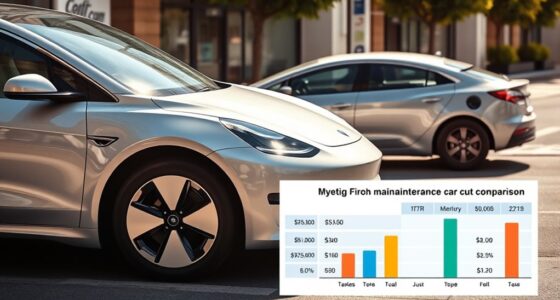
You’ll find that electric cars generally cost less to maintain than gas vehicles, saving you around $4,000 over five years. This is because they have fewer moving parts and don’t require oil changes. Battery degradation is minimal, especially with improved technology, and charging infrastructure continues to expand, making upkeep even easier. So, you’ll spend less on repairs and maintenance, making electric cars a smarter financial choice in the long run.
Do Electric Cars Significantly Reduce Overall Carbon Emissions?
Yes, electric cars substantially reduce overall carbon emissions, especially when you consider cleaner electricity sources and battery recycling efforts. Charging infrastructure improvements make it easier for you to charge your vehicle with renewable energy, further cutting emissions. As more EVs hit the road, their lower emissions contribute to a healthier environment. Your choice supports a greener future, especially when combined with responsible battery recycling and expanded charging options.
Conclusion
Think of electric cars as a rising tide, steadily reshaping the landscape of transportation. The myths are like shadows at dawn—quickly fading as the sun’s truth shines through. With each charge, each mile, and each new station, the road ahead becomes clearer and brighter. Embrace the journey, knowing that what once seemed a distant dream is now within your reach, guiding you toward a cleaner, smarter future.