
TL;DR

Get backup power and energy gear delivered free with Prime
- Fast, free delivery on millions of items
- Prime Video, Amazon Music and more included
- Member-only deals all year
Miles Plug is a small OBD-II device that tracks vehicle location, trips and health, with app alerts and promised emergency response and roadside assistance. The device costs $99, but use also requires a prepaid membership, bringing the first-year total to $279; the company says it does not sell vehicle or location data.
Miles has launched a $99 plug-in device that tracks a car’s location, driving activity and vehicle health, while its app offers emergency response and roadside assistance through a paid membership. The service is aimed in part at families with teen drivers, and the company says it will not sell vehicle, trip or location data.
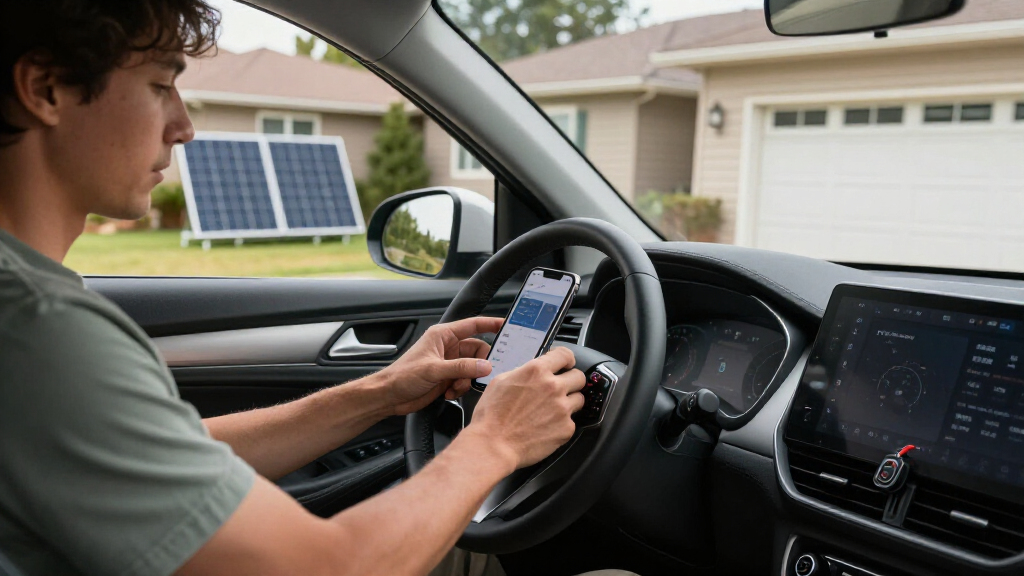
The Miles Plug connects to a car’s OBD-II port and uses cellular service and GPS to send information to a phone app. Its features include trip routes and recaps, location alerts, notifications for driving events such as hard braking, and vehicle-health information. An in-app chatbot, Miles Mechanic, answers questions about warning lights and maintenance, including estimated repair costs, according to the company.
The device costs $99 plus $180 for one year of membership, or $279 upfront. A three-year plan costs $396 with the plug included, which the company lists as $11 a month when averaged across the term. Plans are paid upfront and do not automatically renew. The Verge report says Miles is compatible with most gas and hybrid cars from 2008 onward and some electric vehicles; buyers can check compatibility before ordering.
In a test lasting a few days, The Verge’s reviewer installed the plug in a 2014 Toyota Highlander. Setup was described as straightforward, and the app correctly identified the vehicle after reading its VIN. The reviewer received home-arrival and departure alerts and saw trip records and hard-braking notifications. That short test did not establish how the device performs over time or whether it affects a car’s battery.
A Connected Service With Upfront Fees
Miles combines family location tracking, driving alerts and vehicle-health tools with roadside and emergency services in one subscription. For parents, the shared app may offer visibility into a teen’s trips without the camera-based monitoring used by some products. The company says drivers in a family can have individual profiles and see the same trips and alerts.
The price is more than the $99 device cost alone: the first year totals $279 before any other costs. Miles cofounder Matt McGovren told The Verge that the service could replace several separate services, including roadside assistance and family tracking. Whether that comparison represents savings depends on what a customer already pays for and which Miles features they use.
Privacy and business continuity are also central to the product’s pitch. Automakers have faced scrutiny over driving-data collection, while earlier connected-car services have shut down. Miles says it does not sell data and charges membership fees upfront; those are company commitments, not independent proof of its long-term practices or financial durability.
As an affiliate, we earn on qualifying purchases.
The Promise Behind OBD-II Plugs
Miles was founded by Matt McGovren and Kit Klein, who have backgrounds at smart-home companies including Wink, Amazon’s Ring and Blink businesses, and Ubiquiti. McGovren told The Verge the product was designed to keep parents and teens informed together rather than conceal information from one another.
The concept has a precedent: Automatic sold an OBD-II device that tracked mileage and location and could detect crashes, but its service ended in 2020. The Verge noted that Automatic initially did not charge a monthly fee. Miles instead requires a paid membership, which McGovren said is intended to support the service rather than rely on a business model that expects to make money later.
The reviewer’s hands-on report covered only a few days of use. It described basic setup and app functions, not a long-term assessment of reliability, emergency handling or the company’s data practices.
“We built Miles to support teens and parents together, and keep them on the same team.”
— Matt McGovren, Miles cofounder, in a press release
As an affiliate, we earn on qualifying purchases.
Long-Term Reliability Still Untested
The available test does not establish how much power the plug uses over time, how consistently it works across supported vehicles, or how emergency response performs in an actual crash. The Verge reviewer had used it for only a few days and had not tested battery drain. McGovren said the device sleeps when the car is off and advised removing it if the vehicle will not be driven for a while.
The company’s privacy assurances, including that it will not sell vehicle, trip or location data, have not been independently verified in the report. It is also unclear how long Miles will operate or how customers would retain access to connected features if the service ended. McGovren described the startup as well capitalized, but the report did not provide financial details to substantiate that description.
As an affiliate, we earn on qualifying purchases.
Check Compatibility and Service Terms
Prospective buyers can use Miles’ compatibility checker to see whether the plug supports their vehicle and should review the membership length, upfront cost and included services before purchasing. The company’s plans do not automatically renew, according to The Verge report.
Further testing would be needed to assess battery impact, accuracy across different cars, the usefulness of the maintenance chatbot and the real-world response process. The Verge reviewer said they had not yet tested the plug with a teen driver in the app, so how driver profiles work when several family members use the same car also remained to be explored.
As an affiliate, we earn on qualifying purchases.
Key Questions
How much does the Miles Plug cost?
The plug is $99, with a required $180 one-year membership, bringing the first-year total to $279. The reported three-year plan costs $396 with the plug included, paid upfront.
What does the Miles Plug track?
It connects to a car’s OBD-II port and reports location, trip details, driving events and vehicle-health information through an app. The app also provides maintenance guidance through its Miles Mechanic chatbot.
Does Miles say it sells customer data?
No. Cofounder Matt McGovren told The Verge that Miles will not sell vehicle, trip or location data. The report attributes encryption and data-control features to the company; it does not independently verify those claims.
Will the device drain a car battery?
The Verge reviewer had not tested battery drain over a long period. McGovren said the device sleeps when the car is not running and advised removing it if the car will be unused for a while, so long-term battery impact remains unconfirmed.
Which vehicles are compatible?
Miles says the plug works with most gas and hybrid cars made from 2008 onward and some electric vehicles. The company provides a compatibility checker for specific cars.
Source: rss
Fall Picks
fall essentials
As an affiliate, we earn on qualifying purchases.