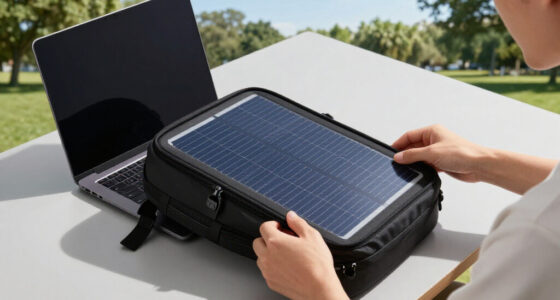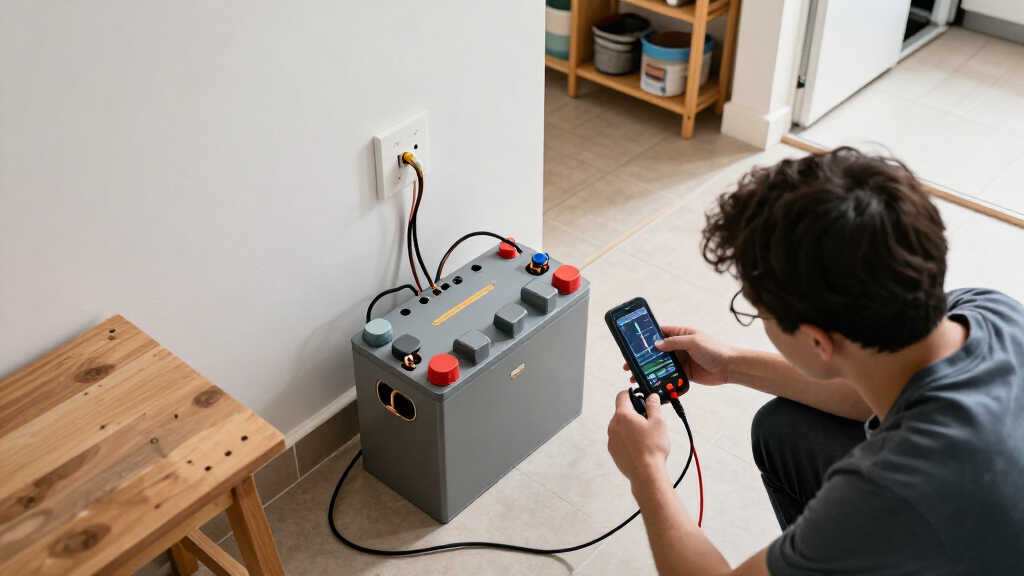
Finding the best home battery storage systems involves balancing capacity, cost, and compatibility with your energy setup. The ECO-WORTHY Powermega 48V 314Ah LiFePO4 Battery stands out as the overall top choice for its combination of high capacity and reliability. The Wirentech WT5100 51.2V 100Ah LiFePO4 Battery offers a compact option for smaller homes or backup needs. Buyers often face tradeoffs between upfront investment, storage capacity, and ease of installation. Keep reading for a detailed breakdown of the top options and what to consider before choosing a system for your home.

Get backup power and energy gear delivered free with Prime
- Fast, free delivery on millions of items
- Prime Video, Amazon Music and more included
- Member-only deals all year
Key Takeaways
- The highest capacity batteries generally come with a higher price tag but offer longer-term energy storage benefits.
- Hybrid inverter integration is a key feature that simplifies setup and enhances system flexibility.
- Compact systems are suitable for smaller homes or backup only, but may lack the scalability of larger setups.
- LiFePO4 chemistry dominates the market for safety, longevity, and performance, making it the preferred choice.
- Tradeoffs often involve balancing initial cost versus long-term reliability and capacity.
| ECO-WORTHY Cubix100 48V 200Ah LiFePO4 Server Rack Battery, 2-Pack |  | Best for Expandable Rack Storage | Chemistry: LiFePO4 | System voltage: 51.2V | Capacity: 200Ah total (2 × 100Ah; listing details conflict) | VIEW LATEST PRICE | See Our Full Breakdown |
| ECO-WORTHY Powermega 48V 314Ah LiFePO4 Battery, 2-Pack |  | Best for High-Capacity Battery Storage | Chemistry: LiFePO4 | Configuration: 2-pack | Nominal voltage: 51.2V | VIEW LATEST PRICE | See Our Full Breakdown |
| ECO-WORTHY Solar Panel Kit LiFePO4 Energy Storage System for Home Backup |  | Best Complete Solar-and-Battery Kit | Usable energy: 30 kWh | Solar panels: 6 × 590W N-type monocrystalline | Inverter: 10kW hybrid | VIEW LATEST PRICE | See Our Full Breakdown |
| Wirentech WT5100 51.2V 100Ah LiFePO4 Server Rack Battery |  | Best Single-Battery Building Block | Chemistry: LiFePO4 | Nominal voltage: 51.2V | Capacity: 100Ah | VIEW LATEST PRICE | See Our Full Breakdown |
| ECO-WORTHY Powermega 48V 314Ah LiFePO4 Battery System with 10kW Hybrid Inverter |  | Best Battery-and-Inverter Bundle | Battery chemistry: LiFePO4 | Battery configuration: 2 × 314Ah at 51.2V | Usable energy: 30 kWh+ | VIEW LATEST PRICE | See Our Full Breakdown |
| ECO-WORTHY Powermega 51.2V 314Ah LiFePO4 Battery, 16.07kWh |  | Best Overall for High-Capacity, Expandable Off-Grid Power | Brand: ECO-WORTHY | Model number: L13L314AH-1 | Battery chemistry: LiFePO4 | VIEW LATEST PRICE | See Our Full Breakdown |
| ECO-WORTHY PowerMega 48V 314Ah LiFePO4 Battery and 10kW Hybrid Inverter System |  | Best for Versatile, High-Power Backup with Integrated Inverter | Battery chemistry: LiFePO4 | Battery capacity: 314Ah | Battery voltage: 51.2V | VIEW LATEST PRICE | See Our Full Breakdown |
| ECO-WORTHY 48V Home Backup Power, 30,720 Wh Battery, Liber 10KP 10kW Inverter |  | Best for Whole-Home Off-Grid Power with Scalability | Power source: Solar and Battery Powered | Wattage: 10,000 watts | Battery capacity: 6 x 100 Ah (total 600 Ah) | VIEW LATEST PRICE | See Our Full Breakdown |
| home battery storage system | Capacity | Communications |
|---|---|---|
| ECO-WORTHY Cubix100 48V 200Ah | 200Ah total (2 × 100Ah; listing details conflict) | CAN, RS485, Bluetooth, Wi-Fi |
| ECO-WORTHY Powermega 48V 314Ah | 314Ah | — |
| ECO-WORTHY Solar Panel Kit LiF | — | RS485, CAN, RS232, Bluetooth, Wi-Fi |
| Wirentech WT5100 51.2V 100Ah L | 100Ah | CAN, RS485 |
| ECO-WORTHY Powermega 48V 314Ah | — | RS485, CAN, RS232, Bluetooth, Wi-Fi |
| ECO-WORTHY Powermega 51.2V 314 | 314Ah | — |
| ECO-WORTHY PowerMega 48V 314Ah | — | — |
| ECO-WORTHY 48V Home Backup Pow | — | — |
More Details on Our Top Picks
ECO-WORTHY Cubix100 48V 200Ah LiFePO4 Server Rack Battery, 2-Pack
The Cubix100 two-pack suits buyers building a rack-based system in stages: CAN and RS485 support inverter communication, while Bluetooth and Wi-Fi make status checks easier. Its support for up to 32 parallel units gives it a wider stated expansion path than the Wirentech WT5100, which supports up to 63 units but lacks the Cubix100’s listed wireless monitoring. Each Cubix100 pack is described as 100Ah, adding up to 200Ah across the pair, but the product details also conflict on capacity, so I would verify the delivered configuration before planning a system around it. The stated standards listings and 10-year limited warranty add useful documentation. The tradeoff is that two batteries weigh 206 pounds together, and the listing says shipments may arrive in multiple packages.
Pros:- Two 100Ah batteries provide 200Ah total according to the listed configuration.
- Bluetooth and Wi-Fi monitoring supplement CAN and RS485 communication.
- Supports parallel expansion up to 32 units.
- Listed to UL9540, UL1973, and CEC standards, with a 10-year limited warranty.
Cons:- Capacity details conflict, so the actual configuration should be confirmed before system design.
- The two batteries weigh 206 pounds together.
- The shipment may arrive in multiple packages.
Best for: Solar and backup buyers who want two rack batteries with wireless monitoring and room to add more units over time.
Not ideal for: Buyers who need confirmed capacity before sizing an inverter or who cannot handle a 206-pound two-battery shipment.
- Chemistry:LiFePO4
- System voltage:51.2V
- Capacity:200Ah total (2 × 100Ah; listing details conflict)
- Communications:CAN, RS485, Bluetooth, Wi-Fi
- Maximum parallel units:32
- Listings:UL9540, UL1973, CEC
- Weight:206 pounds
- Warranty:10-year limited
Our verdict“Choose the Cubix100 if you want a monitored, expandable rack pair and can verify its capacity details before purchase.”
ECO-WORTHY Powermega 48V 314Ah LiFePO4 Battery, 2-Pack
For buyers who already have a compatible inverter, the Powermega 314Ah two-pack puts capacity and battery management at the center of the decision. Each battery is listed at 16.07 kWh, and active cell balancing helps manage differences between cells as the system operates. A touchscreen, Wi-Fi, and Bluetooth offer more local and remote visibility than the Wirentech WT5100’s listed LCD and wired communications. It also includes aerosol fire suppression and UL 1973 certification. Compared with the ECO-WORTHY Cubix100 pair, this is the larger-capacity choice, but it is also more demanding to receive and place: the listing specifies pallet delivery by truck, so the address needs to accommodate that. Parallel expansion is limited to 15 units, less than the Cubix100’s stated 32.
Pros:- Each battery is listed with 16.07 kWh of energy capacity.
- A 200A BMS includes active cell balancing.
- Touchscreen, Wi-Fi, and Bluetooth support system monitoring.
- Includes aerosol fire suppression and UL 1973 certification.
Cons:- Large, heavy batteries require suitable placement and handling.
- Pallet delivery by truck requires an address that can receive freight.
- Supports up to 15 parallel units, fewer than the Cubix100’s stated 32.
Best for: Homeowners with a compatible 48V inverter who need substantial battery capacity, cell balancing, and remote monitoring.
Not ideal for: Buyers without a way to accept palletized truck delivery or those planning expansion beyond 15 parallel units.
- Chemistry:LiFePO4
- Configuration:2-pack
- Nominal voltage:51.2V
- Capacity:314Ah
- Energy capacity:16.07 kWh per battery
- BMS:200A with active cell balancing
- Monitoring:7-inch HD touchscreen, Wi-Fi, Bluetooth
- Parallel expansion:Up to 15 units
- Warranty:10 years
Our verdict“Pick this Powermega pair when battery capacity and monitoring matter more than simpler delivery or a larger parallel expansion limit.”
ECO-WORTHY Solar Panel Kit LiFePO4 Energy Storage System for Home Backup
This kit is the most integrated option in this group: it combines six 590W solar panels, a 10kW hybrid inverter, and two 314Ah batteries, with more than 30kWh of stated usable storage. That package can simplify component matching for an off-grid build compared with the standalone ECO-WORTHY Powermega battery pair, which leaves inverter selection to the buyer. The kit also lists split-phase 120V/240V support and multiple monitoring and communication methods. Its active-balancing BMS, fire suppression, and battery wheels address day-to-day operation and handling. The scale is the main tradeoff: the shipment is large and may call for professional handling, and the product data says two inverter exterior versions may ship at random. I would check the exact equipment configuration and site requirements before planning installation.
Pros:- Includes six 590W panels, a 10kW hybrid inverter, and two batteries.
- Lists more than 30kWh of usable battery energy.
- Supports 120V/240V split-phase and single-phase configurations.
- Battery wheels and wireless monitoring can make handling and system checks easier.
Cons:- The system is large and may require professional handling.
- The inverter exterior version may vary between shipments.
- Its bundled components offer less flexibility for buyers who already own compatible equipment.
Best for: Off-grid homeowners who want panels, a hybrid inverter, and battery storage specified together in one system.
Not ideal for: Buyers who already own an inverter or panels, have limited installation space, or cannot manage large freight delivery.
- Usable energy:30 kWh
- Solar panels:6 × 590W N-type monocrystalline
- Inverter:10kW hybrid
- Supported output:120V/240V split-phase and single-phase
- Batteries:2 × 48V 314Ah LiFePO4
- Battery cycle life:9000+ cycles at 80% DoD
- Communications:RS485, CAN, RS232, Bluetooth, Wi-Fi
- BMS protections:Active balancing, circuit breaker, fire suppression module, alarm buzzer
Our verdict“Choose this kit for a bundled solar, inverter, and storage build if you have the space and freight-handling capacity.”
Wirentech WT5100 51.2V 100Ah LiFePO4 Server Rack Battery
The Wirentech WT5100 is the straightforward building block for buyers who want to start with one 5.12kWh rack battery and add storage later. Its stated 5.12kW maximum output matches its 100A BMS at 51.2V, giving buyers a clear starting point for checking inverter fit. It supports CAN and RS485 and can be expanded to 63 batteries, more than the ECO-WORTHY Cubix100’s stated 32. The tradeoff is a more basic monitoring setup: the listed communications are wired, while the Cubix100 also offers Bluetooth and Wi-Fi. Wirentech lists UL1973 certification, UL9540A testing, CEC listing, more than 6,000 cycles, and a 10-year limited warranty. Inverter compatibility may vary, so the interface details need to match the rest of the system.
Pros:- Provides 5.12kWh of energy and up to 5.12kW maximum output.
- Supports expansion up to 63 batteries.
- Lists UL1973 certification, UL9540A testing, and CEC listing.
- Manufacturer lists more than 6,000 cycles and a 10-year limited warranty.
Cons:- Specific inverter compatibility may vary and needs checking.
- Listed monitoring communications are CAN and RS485, without Bluetooth or Wi-Fi.
- A single battery provides less capacity than either ECO-WORTHY Powermega configuration.
Best for: DIY solar owners who want to add storage in 5.12kWh increments and can confirm CAN or RS485 compatibility with their inverter.
Not ideal for: Buyers who need high capacity from one battery or want built-in wireless monitoring.
- Chemistry:LiFePO4
- Nominal voltage:51.2V
- Capacity:100Ah
- Energy:5.12kWh
- Maximum output power:5.12kW
- BMS:100A
- Communications:CAN, RS485
- Parallel expansion:Up to 63 batteries
- Certifications and testing:UL1973 certified, UL9540A tested, CEC listed
Our verdict“Choose the WT5100 if you want a standards-listed rack battery you can scale incrementally and your inverter is compatible.”
ECO-WORTHY Powermega 48V 314Ah LiFePO4 Battery System with 10kW Hybrid Inverter
This Powermega bundle is aimed at buyers who need a large battery bank and an inverter together, but do not need the solar panels included with the ECO-WORTHY complete kit. It pairs two 314Ah LiFePO4 batteries with a 10kW hybrid inverter and lists more than 30kWh of usable energy. A stated 20kW peak output and 120V/240V split-phase support make it suited to backup systems with substantial loads, subject to proper system design. Monitoring spans Bluetooth, Wi-Fi, and several wired protocols; the battery system also lists active balancing, fire suppression, a breaker, and an alarm. Compared with the standalone Powermega battery pair, this bundle includes the inverter; compared with the panel kit, it leaves solar modules out. Multiple packages may arrive separately, and the inverter exterior can vary.
Pros:- Includes two 314Ah batteries and a 10kW hybrid inverter.
- Lists more than 30kWh of usable energy and 20kW peak output.
- Supports 120V AC and 240V split-phase output.
- Includes wireless monitoring, active balancing, circuit breaker, and aerosol fire suppression.
Cons:- Solar panels are not included, unlike the ECO-WORTHY complete solar kit.
- Components may arrive in multiple packages at different times.
- The inverter exterior version is selected randomly.
Best for: Homeowners assembling a high-capacity backup or off-grid system who need a hybrid inverter but will source solar panels separately.
Not ideal for: Buyers who need a complete panel-to-battery kit or want the inverter’s exterior configuration confirmed before shipment.
- Battery chemistry:LiFePO4
- Battery configuration:2 × 314Ah at 51.2V
- Usable energy:30 kWh+
- Inverter output:10,000W
- Peak output:20,000W
- Output voltage:120V AC; supports 240V split-phase
- Cycle life:9000+ cycles at 80% DoD
- Communications:RS485, CAN, RS232, Bluetooth, Wi-Fi
- Certification:UL1973
Our verdict“Pick this bundle if you want Powermega-scale storage with a matched hybrid inverter and plan to source panels separately.”
ECO-WORTHY Powermega 51.2V 314Ah LiFePO4 Battery, 16.07kWh
This model stands out for its impressive 16.07kWh capacity and support for up to 15 parallel units, making it ideal for larger off-grid setups or backup systems that require scalability. Compared to the ECO-WORTHY PowerMega 48V 314Ah LiFePO4 Battery with inverter, this battery offers more flexibility in expansion and a robust safety package, including aerosol fire suppression and active cell balancing. The large, heavy design demands truck delivery and a suitable installation space, which could be a hurdle for smaller setups. However, its extensive safety features and decade-long warranty make it a reliable choice for those prioritizing long-term performance and scalability. This battery is best suited for off-grid enthusiasts or backup power users with ample space and freight access, willing to manage its size and weight.
Pros:- High 16.07kWh capacity supports large energy loads
- Supports expansion up to 15 units for scalable power
- Includes advanced safety features and comprehensive monitoring
Cons:- Large, heavy battery requires pallet and truck delivery
- Delivery logistics may complicate installation for some users
Best for: Large off-grid systems or backup power setups requiring scalable capacity and long-term reliability.
Not ideal for: Small residential applications or users with limited space and delivery access, due to its size and weight.
- Brand:ECO-WORTHY
- Model number:L13L314AH-1
- Battery chemistry:LiFePO4
- Voltage:51.2V
- Capacity:314Ah
- Energy:16.07kWh
- Battery management system:200A with active cell balancing
Our verdict“This is a top choice for those needing a high-capacity, expandable battery system with robust safety and monitoring features.”
ECO-WORTHY PowerMega 48V 314Ah LiFePO4 Battery and 10kW Hybrid Inverter System
This hybrid system combines a 48V 314Ah LiFePO4 battery with a 10kW inverter, offering a seamless solution for backup power and off-grid use. Compared with the Powermega 51.2V battery, this setup integrates an inverter, reducing the need for separate components and simplifying installation for users wanting a complete energy solution. It provides 16.1kWh of usable energy and supports both 120V single-phase and 240V split-phase outputs, making it flexible for different home configurations. The system’s heavy weight and truck freight requirement are similar to the larger battery but are offset by its all-in-one design. Its 9,000+ cycle lifespan at 80% DoD ensures longevity, but the random selection of inverter exterior version might affect aesthetics or specific feature needs. It’s ideal for homeowners seeking integrated backup power with high power output and expandability.
Pros:- Provides 16.1kWh of usable storage with a 10kW inverter
- Supports both single-phase and split-phase outputs
- Includes safety features and app-based monitoring for convenience
Cons:- Heavy, shipped via truck freight, potentially complicating delivery
- Inverter exterior version is randomly assigned, limiting customization
Best for: Homeowners needing an all-in-one backup system capable of powering high-demand appliances and supporting different voltage configurations.
Not ideal for: Small-scale or budget-conscious users, as the integrated system and freight costs may be prohibitive, and the inverter version choice is limited.
- Battery chemistry:LiFePO4
- Battery capacity:314Ah
- Battery voltage:51.2V
- Usable energy:16.1kWh
- Inverter power:10,000W
- Output voltage:120V single-phase or 240V split-phase
- Cycle life:9,000+ cycles at 80% DoD
Our verdict“This pick suits users looking for an integrated, high-capacity backup system with flexible voltage options and robust cycle life.”
ECO-WORTHY 48V Home Backup Power, 30,720 Wh Battery, Liber 10KP 10kW Inverter
This comprehensive system offers whole-home backup with six 51.2V 100Ah LiFePO4 batteries and a 10kW inverter, designed to run high-demand appliances like refrigerators or air conditioners. Its modular architecture allows expansion up to 60kW AC output and 163.84kWh storage, making it suitable for larger homes or future upgrades. It features UL certifications for safety, integrated CAN/RS485 communication, and monitoring through Bluetooth and Wi-Fi apps. Compared to the other two options, this system is bulkier and more complex, often requiring professional installation, but it provides a scalable platform for sustained off-grid living. The 30-day return policy indicates a focus on reliability, though the high initial investment may be a barrier for some. This system makes the most sense for those seeking comprehensive, expandable whole-house backup power, especially in remote locations.
Pros:- Provides whole-home backup power for high-demand appliances
- Scalable up to 60kW AC output and 163.84kWh storage
- Certified for safety with integrated communication and monitoring
Cons:- Large and complex system requiring professional installation
- High upfront cost compared to smaller backup units
Best for: Large households or off-grid properties needing scalable, whole-home backup with high power demands.
Not ideal for: Small residences or users seeking portable solutions, due to size, complexity, and cost.
- Power source:Solar and Battery Powered
- Wattage:10,000 watts
- Battery capacity:6 x 100 Ah (total 600 Ah)
- Voltage:51.2 volts
- Input voltage:48 volts DC
- Output power:10000 watts
- Electrical output waveform:Pure Sine Wave
Our verdict“This is a strong choice for large or remote homes requiring scalable, reliable off-grid power with flexibility for future expansion.”

How We Picked
I evaluated these home battery storage systems based on several key factors: capacity, build quality, compatibility with existing solar or backup systems, ease of installation, and overall value. I prioritized systems that balance high performance with practical usability for typical homeowners. Products were ranked by assessing their technical specs in comparison to real-world usability, along with their scalability and safety features. This approach ensures the selected options are not just powerful on paper but also practical for everyday use and future growth.| home battery storage system | Communications |
|---|---|
| ECO-WORTHY Cubix100 48V 200Ah | CAN, RS485, Bluetooth, Wi-Fi |
| ECO-WORTHY Powermega 48V 314Ah | — |
| ECO-WORTHY Solar Panel Kit LiF | RS485, CAN, RS232, Bluetooth, Wi-Fi |
| Wirentech WT5100 51.2V 100Ah L | CAN, RS485 |
| ECO-WORTHY Powermega 48V 314Ah | RS485, CAN, RS232, Bluetooth, Wi-Fi |
| ECO-WORTHY Powermega 51.2V 314 | — |
| ECO-WORTHY PowerMega 48V 314Ah | — |
| ECO-WORTHY 48V Home Backup Pow | — |
Factors to Consider When Choosing Best Home Battery Storage Systems
Choosing the best home battery storage system requires understanding several critical factors beyond just capacity or price. It’s essential to consider compatibility with your current solar setup, the system’s lifespan, and how easy it is to maintain. Being aware of common pitfalls, such as underestimating future energy needs or ignoring inverter compatibility, can help you avoid costly mistakes. The right system should align with your specific energy goals, household size, and budget to deliver reliable, long-term performance.Capacity and Scalability
Capacity determines how much energy your system can store, impacting how long you can run appliances during outages or reduce grid reliance. Larger capacities often mean higher costs but provide more flexibility and future-proofing. Consider your current consumption and whether you might expand your system later. Scalability is particularly important if you plan to add more solar panels or increase household energy needs over time.
Chemistry and Safety
LiFePO4 batteries are the preferred chemistry for home storage because they offer enhanced safety, longer cycle life, and stable performance. Avoid systems with less stable chemistries that may pose safety risks or require more maintenance. Investing in a reputable brand with proven longevity can save money in the long run, even if the initial purchase price is higher.
Inverter Compatibility
Many battery systems come with integrated inverters, but others require separate units. Hybrid inverters that can handle both AC and DC inputs simplify installation and reduce overall costs. Ensuring your battery system is compatible with your existing inverter or choosing a system with an integrated inverter can prevent technical issues and streamline setup.
Ease of Installation and Maintenance
Some systems are designed for DIY installation, while others require professional setup. Keep in mind the complexity of wiring, space requirements, and ongoing maintenance needs. A system that’s easier to install and maintain can save you time and money, especially if you’re new to home energy systems.
Cost and Long-term Value
While initial cost is an important factor, consider the system’s longevity, warranty, and potential savings on energy bills. A slightly more expensive system with a longer lifespan and better performance can offer greater value over time. Avoid focusing solely on upfront price; instead, weigh the total cost of ownership, including maintenance and replacement cycles.
Frequently Asked Questions
How do I know if my home is compatible with a battery storage system?
Compatibility depends on your current electrical setup, including your inverter, solar panels, and household wiring. Most systems require a compatible inverter that can handle battery input, and some batteries require specific voltage or connection types. Consulting a professional can help determine whether your existing infrastructure supports a particular system or if upgrades are needed. Ensuring compatibility upfront prevents costly modifications later.
What is the typical lifespan of a home battery system?
Most lithium iron phosphate (LiFePO4) batteries, which dominate the market, offer a lifespan of around 10 to 15 years with proper maintenance. Factors such as usage patterns, temperature, and charging cycles influence longevity. Investing in a system with a strong warranty and proven durability can help maximize the lifespan and protect your investment over time. Regular maintenance and avoiding deep discharges also extend battery life.
Should I prioritize capacity or cost when choosing a home battery system?
It depends on your energy needs and budget. If you experience frequent outages or want to maximize self-consumption, higher capacity systems make sense even if they cost more upfront. However, for backup needs or smaller households, a less expensive, lower-capacity system might suffice. Balancing current needs with future expansion plans and long-term savings will lead to a more satisfying purchase.
Can I expand my battery system later?
Many modern systems are designed with scalability in mind, allowing you to add more batteries over time. However, not all systems support expansion, so it’s important to verify this feature if you anticipate growing your energy capacity. Planning for future expansion during your initial purchase can save money and complexity down the line, especially if you expect your household’s energy consumption to increase.
What maintenance is required for home battery storage systems?
Most lithium-based batteries require minimal maintenance, primarily ensuring they operate within recommended temperature ranges and keeping connections clean. Some systems may include monitoring apps that help track performance and alert you to issues. Regularly checking the inverter and battery connections and following manufacturer guidelines can help extend system lifespan and maintain optimal performance.
Conclusion
The best overall choice for most homeowners remains the ECO-WORTHY Powermega 48V 314Ah LiFePO4 Battery due to its combination of capacity, reliability, and value. For those prioritizing affordability, smaller or less costly systems like the Wirentech WT5100 suit backup or smaller energy needs. Power users or larger households should consider systems with higher capacity and integrated inverters, such as the ECO-WORTHY Powermega 16.07kWh. Beginners and DIY enthusiasts will find systems with straightforward setup and support easier to manage. Ultimately, matching your energy goals, household size, and budget will guide you to the ideal system.
As an affiliate, we earn on qualifying purchases.Fall Picks
fall essentials