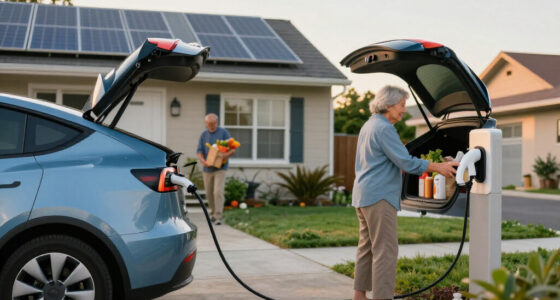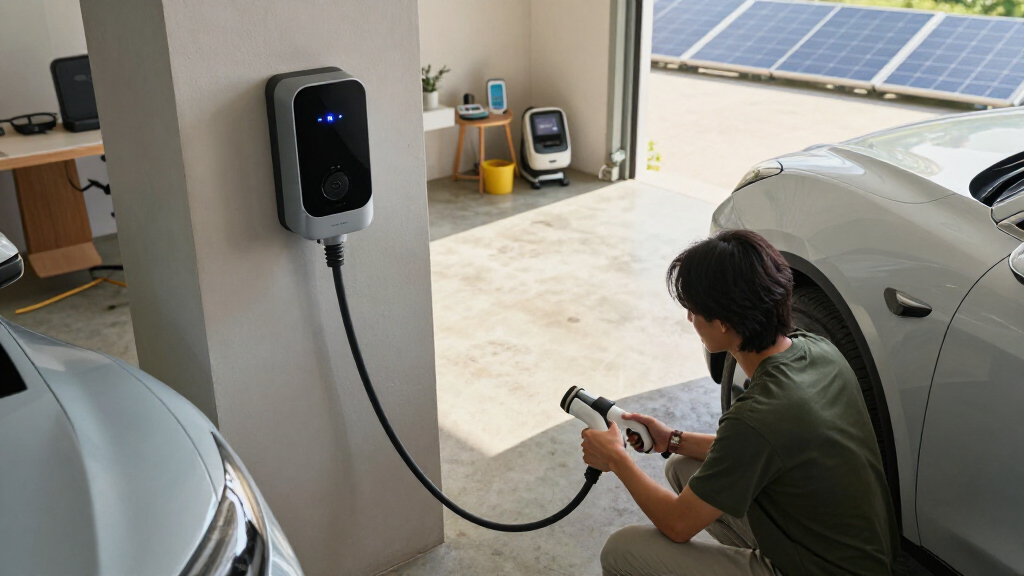

The best bidirectional EV chargers can do more than charge a car: compatible vehicle, charger, and home equipment can send stored energy back to a home or the grid. From the 11 products in this roundup, I’d name the Emporia Pro the best overall on paper for its 48A output and PowerSmart energy-management feature, while the Autel MaxiCharger stands out as a hardwired 50A option and the Generac Level 2 Plus is worth a closer look for buyers focused on home energy systems. A key catch: the listed models are Level 2 chargers, and their descriptions do not establish that they support bidirectional power flow. Buyers must weigh charging capacity, connector and installation fit, and smart controls against verified vehicle-and-system compatibility. Read on for the full comparison and the checks I’d make before choosing a charger for backup or export.

Get backup power and energy gear delivered free — and shop member deals
- Fast, free delivery on millions of items
- Access to Prime Big Deal Days deals on October 6–7
- Prime Video, Amazon Music and more included
Key Takeaways
- None of the 11 listings confirms bidirectional operation. Their descriptions identify Level 2 charging features, not verified vehicle-to-home or vehicle-to-grid capability, so I would not buy any as a confirmed bidirectional unit without manufacturer documentation.
- Emporia Pro leads the roundup’s feature-based shortlist with 48A charging and PowerSmart, but energy-management controls alone do not mean a charger can send power back to a home.
- Autel MaxiCharger and Grizzl-E Ultimate favor higher-output hardwired setups. Their 50A and 80A ratings may appeal to buyers planning high-capacity charging, but circuit, vehicle, and installation limits still apply.
- Plug-in models trade installation simplicity for electrical limits. The AIMILER, EVIQO, and ChargePoint HomeFlex listings include NEMA 14-50 plugs, which can suit existing outlets but may not support the highest charging rates.
- Connector fit divides the shortlist. Most listings specify J1772; the IYILO Tesla version is the clear Tesla-connector-specific entry, so buyers should verify their car’s port and adapter needs before ordering.
| Grizzl-E Ultimate 80A Level 2 EV Charger with 25 ft Cable, Wi-Fi, J1772, Hardwired, Black |  | Best for Maximum Charging Output | Maximum output: 80A / 19.2 kW | Voltage: 240V | Connector: J1772 | VIEW LATEST PRICE | See Our Full Breakdown |
| Generac Level 2 Plus 48A EV Charger with 25 ft Cable |  | Best for Weather-Exposed Installations | Output current: 48A | Voltage: 240V | Charging rate: Up to 30 miles of range per hour | VIEW LATEST PRICE | See Our Full Breakdown |
| Grasside Level 2 EV Charger, 48A Hardwired, 25 ft Cable, J1772, 11.5 kW |  | Best for Flexible Access Controls | Maximum current: 48A | Power: 11.5 kW | Voltage: 240V | VIEW LATEST PRICE | See Our Full Breakdown |
| AIMILER Level 2 EV Charger, 32A, 25 ft Cable, Wi-Fi App, NEMA 14-50 Plug, J1772 Connector |  | Best Plug-In Pick | Maximum current: 32A | Maximum power: 7.68 kW | Voltage: 240V | VIEW LATEST PRICE | See Our Full Breakdown |
| Emporia Pro Level 2 EV Charger with PowerSmart, 48 A, J1772 Connector, 25 ft Cable |  | Best for Managing Home Electrical Capacity | Maximum current: 48A | Voltage: 240V AC | Connector: SAE J1772 | VIEW LATEST PRICE | See Our Full Breakdown |
| IYILO Level 2 EV Charger, 40A/48A, 9.6 kW/11.5 kW |  | Best for Flexible Installation | Charging level: Level 2 | Current and power: 40A / 9.6 kW plug-in; up to 48A / 11.5 kW hardwired | Installation: NEMA 14-50 plug or hardwired | VIEW LATEST PRICE | See Our Full Breakdown |
| EVIQO Level 2 J1772 EV Charger, 40A, 240V NEMA 14-50 |  | Best Plug-In Pick for Tesla Households | Charging level and output: Level 2; up to 40A at 240V | Outlet and circuit: NEMA 14-50 outlet on a dedicated 50A circuit | Connector and cable: J1772; 25 ft | VIEW LATEST PRICE | See Our Full Breakdown |
| IYILO Level 2 EV Charger for Tesla, 48A, 11.5 kW |  | Best for NACS Drivers Wanting High Output | Charging level and output: Level 2; up to 48A and 11.5 kW | Installation: Hardwired; 60A breaker and licensed electrician required for maximum output | Connector and cable: NACS; 25 ft | VIEW LATEST PRICE | See Our Full Breakdown |
| Autel MaxiCharger Level 2 EV Charger, 50A, Hardwired, 25-Foot Cable |  | Best for Multi-Network Connectivity | Charging level and voltage: Level 2; 240V | Maximum output: 50A; 12,000 watts | Installation: Hardwired | VIEW LATEST PRICE | See Our Full Breakdown |
| Grasside 40A Level 2 EV Charger with J1772 Connector and 25 ft Cable |  | Best for Fine-Tuning Plug-In Charging | Charging level and power: Level 2; up to 40A and 9.6 kW at 240V | Plug and installation: NEMA 14-50P plug | Connector and cable: SAE J1772; 25 ft | VIEW LATEST PRICE | See Our Full Breakdown |
| ChargePoint HomeFlex Level 2 EV Charger with J1772 Connector and NEMA 14-50 Plug |  | Best for App-Based Home Charging | Input voltage: 240 volts | Output voltage: 240 volts | Connector: J1772 | VIEW LATEST PRICE | See Our Full Breakdown |
| bidirectional EV charger | Installation | Connectivity | Connector | Cable length |
|---|---|---|---|---|
| Grizzl-E Ultimate 80A Level 2 | Hardwired | Wi-Fi | J1772 | 25 ft |
| Generac Level 2 Plus 48A EV Ch | Wall-mounted | Wi-Fi and Bluetooth | SAE J1772 | 25 ft |
| Grasside Level 2 EV Charger | Hardwired | 2.4 GHz Wi-Fi | J1772 | 25 ft |
| AIMILER Level 2 EV Charger | — | — | J1772 | 25 ft |
| Emporia Pro Level 2 EV Charger | NEMA 14-50 plug or hardwired | — | SAE J1772 | 25 ft |
| IYILO Level 2 EV Charger | NEMA 14-50 plug or hardwired | 2.4GHz Wi-Fi | — | — |
| EVIQO Level 2 J1772 EV Charger | — | 2.4GHz Wi-Fi | — | — |
| IYILO Level 2 EV Charger for T | Hardwired; 60A breaker and licensed electrician required for maximum output | — | — | — |
| Autel MaxiCharger Level 2 EV C | Hardwired | Wi-Fi, Bluetooth, Ethernet | — | — |
| Grasside 40A Level 2 EV Charge | — | 2.4GHz Wi-Fi and Bluetooth | — | — |
| ChargePoint HomeFlex Level 2 E | — | — | J1772 | 23 feet |
More Details on Our Top Picks
Grizzl-E Ultimate 80A Level 2 EV Charger with 25 ft Cable, Wi-Fi, J1772, Hardwired, Black
The Grizzl-E Ultimate’s 80A, 19.2 kW output sets it apart from the 48A Generac Level 2 Plus and Emporia Pro: it can support faster home charging when the vehicle and electrical service can accept that much power. Its adjustable amperage and Wi-Fi scheduling, monitoring, and load balancing add flexibility, while the metal Type 4 enclosure suits indoor or outdoor mounting. That capacity comes with a narrower fit. This is a hardwired-only charger, so installation calls for a compatible circuit and an electrician; buyers cannot simply use an existing outlet as they could with the plug-in Emporia. It also has one J1772 port, so Tesla drivers need a compatible adapter. I’d rank it highest for buyers who can use its unusually high output, not for households whose service or vehicle caps charging below 48A.
Pros:- Up to 80A and 19.2 kW, above the 48A output of the Generac Level 2 Plus and Emporia Pro
- Adjustable current and Wi-Fi scheduling, monitoring, and energy statistics
- Automatic power balancing can help coordinate multiple chargers
- UL Type 4 metal enclosure is rated for indoor and outdoor use
Cons:- Hardwired installation only, requiring a suitable circuit and electrician
- Its high maximum output may be unusable with a lower-capacity vehicle or home electrical service
- J1772 connector means Tesla vehicles need a separate compatible adapter
Best for: Owners with compatible vehicles and electrical service who want up to 80A charging, hardwired installation, and Wi-Fi load balancing.
Not ideal for: Renters, outlet-only installations, and drivers whose vehicle or electrical service cannot make use of more than 48A.
- Maximum output:80A / 19.2 kW
- Voltage:240V
- Connector:J1772
- Cable length:25 ft
- Installation:Hardwired
- Connectivity:Wi-Fi
- Enclosure:UL Type 4 metal
- Warranty:3 years
Our verdict“Choose the Grizzl-E if your vehicle and electrical service can use more than 48A and you’re prepared for hardwired installation.”
Generac Level 2 Plus 48A EV Charger with 25 ft Cable
The Generac Level 2 Plus is a strong fit for buyers who want a 48A wall-mounted charger with a weather-resistant enclosure and a long cable. Its NEMA 4 housing is designed for indoor or outdoor placement, and the 25-foot J1772 cord gives more parking-position flexibility than a short-reach setup. Wi-Fi and Bluetooth support app monitoring and schedules, while power sharing can help when a household installs multiple chargers. Compared with the Emporia Pro, it does not include a whole-home energy monitor or offer the same described real-time capacity adjustment; compared with the plug-in AIMILER, it also requires wall mounting. The listed Tesla adapter is sold separately, and its single port limits it to one vehicle at a time. I’d pick it for a fixed outdoor installation, not for someone prioritizing portable or outlet-based setup.
Pros:- 48A output with charging rates listed up to 30 miles of range per hour
- NEMA 4 weather-resistant enclosure for indoor or outdoor mounting
- 25-foot cable gives flexibility around the parking position
- Wi-Fi, Bluetooth, app scheduling, and power sharing are supported
Cons:- Wall-mounted installation is required
- Tesla adapter is sold separately
- Does not include the Emporia Pro’s Vue 3 energy monitor
Best for: Homeowners seeking a fixed indoor or outdoor 48A charger with a long cable, app controls, and power sharing for multiple units.
Not ideal for: Drivers who need a portable or plug-in unit, or Tesla owners who want an adapter included.
- Output current:48A
- Voltage:240V
- Charging rate:Up to 30 miles of range per hour
- Connector:SAE J1772
- Cable length:25 ft
- Installation:Wall-mounted
- Connectivity:Wi-Fi and Bluetooth
- Enclosure:NEMA 4 ABS
- Warranty:3 years
Our verdict“Choose the Generac for a fixed, weather-resistant 48A installation with a long cable and multi-charger power sharing.”
Grasside Level 2 EV Charger, 48A Hardwired, 25 ft Cable, J1772, 11.5 kW
The Grasside earns a distinct place here through its choice of plug-and-charge, RFID, and app control. That makes it a better match than the simpler Generac Level 2 Plus for households that want to restrict access or choose how charging starts. At 48A and 11.5 kW, it delivers the same listed maximum power as the Emporia Pro, with adjustable current and scheduling to help fit charging around household routines. Its 25-foot cable and IP65 rating suit varied indoor or outdoor parking layouts. The tradeoff is installation: like the Grizzl-E, it is hardwired only, while the Emporia can be plugged into a NEMA 14-50 outlet. Its app also requires 2.4 GHz Wi-Fi, and Tesla drivers need a separate adapter. I’d choose it for access-control options, not for buyers who want plug-in setup.
Pros:- Plug-and-charge, RFID, and app controls offer several ways to manage access
- Adjustable current from 10A to 48A through the app
- 25-foot J1772 cable supports flexible parking positions
- IP65 rating and built-in GFCI support indoor or outdoor installation
Cons:- Hardwired installation is recommended with a licensed electrician
- App connectivity requires 2.4 GHz Wi-Fi
- Tesla vehicles require a separate adapter
Best for: Households sharing a charger that want RFID access alongside app control, adjustable current, and hardwired 48A charging.
Not ideal for: Renters or buyers needing a plug-in charger, and households relying on Wi-Fi networks without 2.4 GHz support.
- Maximum current:48A
- Power:11.5 kW
- Voltage:240V
- Connector:J1772
- Cable length:25 ft
- Installation:Hardwired
- Charging modes:Plug-and-charge, RFID, and app control
- Connectivity:2.4 GHz Wi-Fi
- Ingress protection:IP65
Our verdict“Choose the Grasside if you want a hardwired 48A charger with RFID access as well as app and plug-and-charge controls.”
AIMILER Level 2 EV Charger, 32A, 25 ft Cable, Wi-Fi App, NEMA 14-50 Plug, J1772 Connector
The AIMILER is the most accessible option in this group for a buyer with a suitable outlet: its NEMA 14-50 plug avoids the hardwired-only installation required by the Grizzl-E and Grasside. Current adjusts from 16A to 32A, giving owners a way to match charging to a circuit rather than treating maximum output as the only setting. The 25-foot cable, screen, and Wi-Fi app cover practical home needs such as checking status and scheduling. Its ceiling is 7.68 kW, well below the 48A Emporia Pro and Generac, so it is a less compelling choice for drivers seeking the fastest home charging. The product data also advises against direct sun or rainy-day exposure despite its stated water-protection ratings. I’d favor it for outlet-based convenience, not for high-output or fully exposed locations.
Pros:- NEMA 14-50 plug offers outlet-based installation unlike the hardwired Grizzl-E and Grasside
- Adjustable current from 16A to 32A can suit different circuit capacities
- 25-foot cable, screen, and Wi-Fi app support monitoring and schedules
- ETL and FCC listings and built-in leakage protection
Cons:- Maximum output of 7.68 kW is below the 11.5 kW Emporia Pro and 48A Generac
- Tesla and other NACS vehicles need a separate adapter
- Manufacturer advises against direct sun or rainy-day exposure
Best for: J1772 EV and plug-in-hybrid owners with a NEMA 14-50 outlet who want adjustable, plug-in home charging and app scheduling.
Not ideal for: Drivers who need 48A-class charging, a hardwired outdoor installation, or an included Tesla/NACS adapter.
- Maximum current:32A
- Maximum power:7.68 kW
- Voltage:240V
- Plug type:NEMA 14-50
- Connector:J1772
- Cable length:25 ft
- Adjustable current:16–32A
- Water protection:NEMA Type 4; stated IP66
- Certifications:ETL and FCC
Our verdict“Choose the AIMILER if you have a NEMA 14-50 outlet and value plug-in convenience over the higher output of 48A chargers.”
Emporia Pro Level 2 EV Charger with PowerSmart, 48 A, J1772 Connector, 25 ft Cable
The Emporia Pro’s defining advantage is PowerSmart capacity adjustment: it can adapt charging to available electrical capacity, which may help households avoid treating a full-speed charge as the only setting. The included Vue 3 energy monitor adds whole-home usage tracking, giving this pick a broader energy-management role than the Generac Level 2 Plus, which offers power sharing between chargers instead. At 48A with a 25-foot J1772 cable, it matches the Grasside’s listed maximum power while offering a choice of NEMA 14-50 plug or hardwired installation. That flexibility makes it easier to fit different home setups, but actual charging speed depends on available capacity; it cannot promise maximum output in every electrical setup. Tesla drivers also need a separate adapter. I’d pick this for capacity-aware charging and monitoring, rather than for the Grizzl-E’s higher 80A ceiling.
Pros:- PowerSmart adjusts charging based on available electrical capacity
- Includes an Emporia Vue 3 energy monitor for whole-home usage tracking
- Supports NEMA 14-50 plug-in or hardwired installation
- App controls provide schedules and real-time energy tracking
Cons:- Full-speed charging depends on available electrical capacity
- Tesla adapter is not included
- At 48A, its maximum output is below the Grizzl-E Ultimate’s 80A ceiling
Best for: Homeowners who want 48A charging with real-time adjustment to available electrical capacity and whole-home energy monitoring.
Not ideal for: Drivers seeking the highest listed output, or Tesla owners who expect a compatible adapter in the box.
- Maximum current:48A
- Voltage:240V AC
- Connector:SAE J1772
- Cable length:25 ft
- Installation:NEMA 14-50 plug or hardwired
- Capacity management:PowerSmart adjusts charging to available electrical capacity
- Included energy monitor:Emporia Vue 3
- Certification:UL
- Use:Indoor and outdoor
Our verdict“Choose the Emporia Pro if you want a flexible 48A installation that can adapt to household capacity and track whole-home energy use.”
IYILO Level 2 EV Charger, 40A/48A, 9.6 kW/11.5 kW
The IYILO 40A/48A is the most adaptable installation choice in this group: use its NEMA 14-50 plug for 40A charging, or have it hardwired to access 48A. That gives buyers a way to start with an existing suitable outlet while keeping a higher-output option open. Its 25-foot J1772 cable, scheduling, and energy tracking cover everyday home charging needs. Compared with the plug-only EVIQO, this IYILO offers a hardwired upgrade path; unlike the NACS IYILO 48A, it is aimed at J1772 vehicles and does not require an adapter for them. The tradeoff is that its app needs 2.4GHz Wi-Fi, and reaching 48A means electrical work. Tesla drivers need a separate NACS adapter, and this is a conventional Level 2 charger, not a bidirectional home-backup system.
Pros:- Supports 40A with a NEMA 14-50 plug or up to 48A when hardwired
- 25-foot J1772 cable and app scheduling with energy tracking
- Dual temperature sensors and built-in GFCI breaker
- NEMA 4 protection, ETL and Energy Star certification, and a three-year warranty
Cons:- 48A output requires hardwired installation and appropriate electrical capacity
- App connectivity is limited to 2.4GHz Wi-Fi
- Tesla NACS adapter is not included, and the charger does not provide bidirectional power
Best for: J1772 EV owners who want plug-in charging now with the option to move to a hardwired 48A setup later.
Not ideal for: Buyers seeking vehicle-to-home power backup, Tesla drivers who do not want to source an adapter, or households whose Wi-Fi is 5GHz-only.
- Charging level:Level 2
- Current and power:40A / 9.6 kW plug-in; up to 48A / 11.5 kW hardwired
- Installation:NEMA 14-50 plug or hardwired
- Connector and cable:SAE J1772; 25 ft
- Connectivity:2.4GHz Wi-Fi
- Weather protection:NEMA 4
- Safety and certifications:Dual temperature sensors; built-in GFCI breaker; ETL and Energy Star
- Warranty:3 years
Our verdict“Choose this IYILO if you want a J1772 charger that can move from a 40A outlet setup to 48A hardwired charging, not a bidirectional backup system.”
EVIQO Level 2 J1772 EV Charger, 40A, 240V NEMA 14-50
The EVIQO 40A makes sense for drivers who already have a suitable NEMA 14-50 outlet and want a straightforward plug-in installation. It delivers up to 40A, includes a 25-foot J1772 cable, and Tesla owners can use the adapter supplied with their vehicle. That avoids the separate-adapter purchase required by the Grasside 40A and the J1772 IYILO 40A/48A. App scheduling and energy tracking add useful control, while its IP66/NEMA 4 housing suits indoor or outdoor mounting. Compared with the Autel MaxiCharger, the EVIQO avoids hardwiring but tops out at a lower output. Its main constraint is the required dedicated 50A circuit; it is not a portable, ordinary-outlet solution. Wi-Fi is 2.4GHz only, and it is a one-way Level 2 charger rather than a bidirectional system.
Pros:- Plug-in NEMA 14-50 installation avoids hardwiring
- Tesla compatibility through the vehicle’s included adapter
- 25-foot cable with app scheduling and energy tracking
- IP66/NEMA 4 housing and UL, ETL, FCC, and Energy Star certifications
Cons:- Requires a dedicated 50A circuit and NEMA 14-50 outlet
- Maximum output is 40A, below the 48A IYILO and 50A Autel options
- App connectivity requires 2.4GHz Wi-Fi; no bidirectional power support
Best for: Tesla households with a car-supplied J1772 adapter and an existing dedicated 240V NEMA 14-50 circuit.
Not ideal for: Drivers without a NEMA 14-50 outlet or dedicated 50A circuit, and buyers seeking higher output or bidirectional backup.
- Charging level and output:Level 2; up to 40A at 240V
- Outlet and circuit:NEMA 14-50 outlet on a dedicated 50A circuit
- Connector and cable:J1772; 25 ft
- Connectivity:2.4GHz Wi-Fi
- Weather protection:IP66 / NEMA 4
- Certifications:UL, ETL, FCC, Energy Star
- Dimensions and weight:4.72 × 6.3 × 1.97 in; 21 lb
- Warranty:3 years
Our verdict“Pick the EVIQO for convenient 40A plug-in charging if your home already has the required circuit and your Tesla’s adapter is on hand.”
IYILO Level 2 EV Charger for Tesla, 48A, 11.5 kW
For an EV with a NACS inlet, this IYILO offers a direct connector match and up to 48A charging without relying on a J1772 adapter. Its 25-foot cable and current adjustment from 6A to 48A let owners tune charging to their vehicle and household circuit, while scheduling, time-of-use settings, energy tracking, RFID, and user accounts add control beyond the simpler EVIQO plug-in setup. The temperature monitoring can reduce power or shut charging off if the connector overheats. Compared with the J1772 IYILO 40A/48A, this model suits NACS vehicles directly but is hardwired only; a 60A breaker and licensed electrician are required for maximum output. J1772 compatibility needs an adapter sold separately. Dynamic load balancing also needs an optional Energy Meter, and this remains Level 2 charging—not bidirectional home power.
Pros:- NACS cable with up to 48A and 11.5 kW output
- Adjustable current from 6A to 48A in 1A increments
- App includes scheduling, time-of-use settings, energy tracking, RFID, and OTA updates
- Connector temperature protection and power sharing
Cons:- Hardwired installation; a 60A breaker and licensed electrician are required for maximum output
- J1772 adapter and optional Energy Meter are sold separately
- 2.4GHz-only Wi-Fi and no bidirectional power capability
Best for: NACS-equipped EV owners planning a permanent hardwired home installation who want adjustable charging up to 48A.
Not ideal for: Renters or households relying on a plug-in outlet, J1772 drivers without an adapter, or anyone shopping specifically for bidirectional backup.
- Charging level and output:Level 2; up to 48A and 11.5 kW
- Installation:Hardwired; 60A breaker and licensed electrician required for maximum output
- Connector and cable:NACS; 25 ft
- Current adjustment:6A–48A in 1A increments
- Charging rate:Up to 46 miles of range per hour
- Smart features:Scheduling, time-of-use rates, energy tracking, RFID, OTA updates, multiple user accounts
- Power management:Power sharing; dynamic load balancing requires optional Energy Meter
- Certifications and warranty:UL 2594 test report, ETL, Energy Star, CSA; 3 years
Our verdict“Choose this IYILO if your EV uses NACS and you want a feature-rich, hardwired 48A charger; skip it if plug-in installation or vehicle-to-home power is the goal.”
Autel MaxiCharger Level 2 EV Charger, 50A, Hardwired, 25-Foot Cable
The Autel MaxiCharger stands apart for 50A output and a broader set of connection options than the Wi-Fi-only IYILO and EVIQO models. Wi-Fi, Bluetooth, and Ethernet give homeowners more ways to connect the charger for app controls, schedules, and updates, which can be useful when the charging location has unreliable wireless coverage or a wired network nearby. Its NEMA 4X housing and 25-foot cable also suit indoor or outdoor installation. Compared with the IYILO NACS 48A, this Autel uses J1772 and offers slightly higher maximum current, but it is hardwired and lacks the IYILO’s stated power-sharing features. RFID access control requires an optional card. Buyers should also note that this is a standard Level 2 charger, not a bidirectional charger, despite its place in a roundup focused on that category.
Pros:- Adjustable output up to 50A and 12,000 watts
- Wi-Fi, Bluetooth, and Ethernet connectivity
- 25-foot J1772 cable
- NEMA 4X weather protection for indoor or outdoor use
Cons:- Hardwired installation can require electrical work
- RFID access control requires an optional card
- No bidirectional power feature is specified
Best for: J1772 EV owners who want a hardwired 50A charger and value Ethernet or Bluetooth as alternatives to Wi-Fi.
Not ideal for: Drivers who need a plug-in installation, NACS-native connection, or a charger with documented bidirectional power capability.
- Charging level and voltage:Level 2; 240V
- Maximum output:50A; 12,000 watts
- Installation:Hardwired
- Connector and cable:J1772; 25 ft
- Connectivity:Wi-Fi, Bluetooth, Ethernet
- Weather protection:NEMA 4X
- Weight:18.06 lb
- Warranty:3 years
Our verdict“Choose the Autel for a hardwired J1772 setup when 50A output and multiple network connection options matter more than plug-in convenience.”
Grasside 40A Level 2 EV Charger with J1772 Connector and 25 ft Cable
The Grasside’s main distinction is fine-grained current adjustment: owners can set charging from 10A to 40A in 1A steps. That can help match charging to a home’s available capacity rather than always drawing the maximum, a useful point of difference from the fixed-maximum EVIQO. It connects to a NEMA 14-50 outlet, offers both Wi-Fi and Bluetooth, and includes a 25-foot J1772 cable. Its IP65 enclosure supports indoor or outdoor use, while the listed UL 2594, CSA, ETL, and FCC credentials add useful installation context. Compared with the IYILO 40A/48A, Grasside is simpler to place in a plug-in setup but cannot be upgraded to 48A hardwired output. Tesla owners need to supply their own adapter. Like the other products here, it is not a bidirectional charger.
Pros:- Adjustable from 10A to 40A in 1A increments
- Wi-Fi and Bluetooth connectivity with app controls and scheduling
- 25-foot J1772 cable and IP65-rated enclosure
- UL 2594, CSA, ETL, and FCC certifications with a three-year warranty
Cons:- Requires a NEMA 14-50 outlet and cannot provide a 48A hardwired upgrade
- Tesla adapter is not included
- No bidirectional power feature is specified
Best for: J1772 drivers with a NEMA 14-50 outlet who want to set charging current precisely around household electrical limits.
Not ideal for: Buyers seeking hardwired output above 40A, Tesla owners without a separate adapter, or shoppers who specifically need bidirectional charging.
- Charging level and power:Level 2; up to 40A and 9.6 kW at 240V
- Plug and installation:NEMA 14-50P plug
- Connector and cable:SAE J1772; 25 ft
- Current adjustment:10A–40A in 1A increments
- Connectivity:2.4GHz Wi-Fi and Bluetooth
- Weather resistance:IP65
- Certifications:UL 2594, CSA C22.2 No. 280, ETL, FCC, CSA
- Dimensions, weight, and warranty:12 × 7 × 3 in; 16.87 lb; 3 years
Our verdict“Pick the Grasside if precise current control and plug-in J1772 charging matter more than the higher hardwired output of the IYILO or Autel.”
ChargePoint HomeFlex Level 2 EV Charger with J1772 Connector and NEMA 14-50 Plug
The HomeFlex suits EV owners who want app-based charging controls and a familiar plug-in setup, rather than the highest output in this group. Its NEMA 14-50 plug can simplify installation when a compatible 240V outlet and circuit are already available, while the 23-foot cable gives useful reach across many garage layouts. ChargePoint lists charging controls, reminders, and charging data in its app, adding oversight that simpler chargers may lack.
Compared with the Grizzl-E Ultimate 80A, this unit offers much lower output, so it is a weaker fit for drivers who need maximum charging speed. Its J1772 connector also means Tesla owners need a separate adapter. Most importantly for this roundup, the supplied details describe one-way Level 2 charging; they do not establish bidirectional or vehicle-to-home capability. I would not choose it for backup power or energy export.
Pros:- App provides charging controls, reminders, and charging data.
- NEMA 14-50 plug can suit a compatible existing 240V outlet.
- 23-foot cable offers practical reach for varied parking positions.
- UL-certified for indoor or outdoor installation.
Cons:- Product details do not specify bidirectional or vehicle-to-home capability.
- Requires a 240V outlet and a 40A or 50A circuit, with electrician installation.
- Tesla vehicles need a separate adapter for the J1772 connector.
Best for: EV owners who want app controls and a J1772 charger for a compatible 240V NEMA 14-50 outlet, and do not need bidirectional power.
Not ideal for: Buyers specifically seeking vehicle-to-home backup or bidirectional charging, or drivers who need the higher output of hardwired options such as the Grizzl-E Ultimate 80A.
- Input voltage:240 volts
- Output voltage:240 volts
- Connector:J1772
- Plug type:NEMA 14-50
- Ports:1
- Cable length:23 feet
- Certification:UL
- Warranty:3 years parts
Our verdict“Choose the HomeFlex for app-managed, conventional Level 2 charging from a compatible 240V outlet, not for bidirectional charging or home backup.”
How We Picked
I compared the 11 listings using details provided about output, connector, cable length, connection method, and smart or energy-management features. For a roundup about bidirectional charging, the first test is whether a listing actually documents two-way power flow; none of the supplied product descriptions confirms that capability. I therefore distinguish between chargers that may suit ordinary Level 2 charging and products that can be recommended as bidirectional only after compatibility is verified.
The ranking logic favors documented features that make a charger practical for a home setup, while treating amp ratings as potential capacity rather than proof of faster charging in every installation. Hardwired and plug-in options serve different electrical setups, and connector compatibility can rule out a product regardless of its other features. I give no product a bidirectional endorsement based only on its name, power rating, app, or energy-management feature; readers should confirm support across the vehicle, charger, and home equipment before purchase.
| bidirectional EV charger | Connector | Installation |
|---|---|---|
| Grizzl-E Ultimate 80A Level 2 | J1772 | Hardwired |
| Generac Level 2 Plus 48A EV Ch | SAE J1772 | Wall-mounted |
| Grasside Level 2 EV Charger | J1772 | Hardwired |
| AIMILER Level 2 EV Charger | J1772 | — |
| Emporia Pro Level 2 EV Charger | SAE J1772 | NEMA 14-50 plug or hardwired |
| IYILO Level 2 EV Charger | — | NEMA 14-50 plug or hardwired |
| EVIQO Level 2 J1772 EV Charger | — | — |
| IYILO Level 2 EV Charger for T | — | Hardwired; 60A breaker and licensed electrician required for maximum output |
| Autel MaxiCharger Level 2 EV C | — | Hardwired |
| Grasside 40A Level 2 EV Charge | — | — |
| ChargePoint HomeFlex Level 2 E | J1772 | — |
Factors to Consider When Choosing Best Bidirectional EV Chargers
Choosing for two-way power requires a different checklist from choosing a standard home charger. I’d verify the complete energy path first, then match electrical capacity, connector, installation, and controls to the home and vehicle. These checks can prevent a capable-looking Level 2 unit from becoming an expensive charger that cannot provide backup power.
Verify Two-Way Power Across the Whole System
A charger’s amperage, Wi-Fi, and energy dashboard do not prove it can discharge an EV battery. For vehicle-to-home use, the car, bidirectional charging equipment, inverter or power conversion system, and home transfer equipment must work together. Vehicle-to-grid export can add utility rules and approved-equipment requirements. Ask each manufacturer for a compatibility list naming your exact vehicle and the intended use, such as home backup or grid export. Get confirmation of what equipment is included and what must be installed separately. If documentation describes charging only, treat the unit as a standard charger until the maker confirms otherwise.
Match Amperage to the Car and Electrical Service
A higher amp rating can raise the ceiling for charging speed, but the vehicle’s onboard charger and the home circuit set the actual limit. A 48A or 50A unit may require a larger dedicated circuit than a plug-in 32A model, and an 80A charger can demand substantial electrical capacity. Before choosing by the largest number, ask an electrician to assess the panel, wiring, load, and required breaker. Leave room for other household loads rather than assuming the service can support charging at full output. For bidirectional use, ask whether the discharge rate differs from the charging rate; those figures may not be the same.
Choose Plug-In or Hardwired Installation for the Right Reasons
A NEMA 14-50 plug may make a charger easier to remove or relocate, provided the outlet and circuit are correctly installed and rated for continuous charging. Hardwiring can suit a permanent installation and higher output, but it calls for a fixed electrical connection and qualified installation. A common mistake is treating an existing dryer or workshop outlet as an automatic fit; outlet condition, circuit rating, and local electrical rules matter. If backup power is the goal, ask whether the bidirectional system requires a dedicated transfer switch or other fixed equipment. Compare the full installation plan, not just the connector on the charger.
Check Connector and Vehicle Compatibility Before Purchase
Confirm the connector that fits your vehicle’s inlet and whether an adapter is approved for the charging function you need. J1772 appears on most listings here, while the IYILO Tesla version is listed for Tesla; that difference can narrow the field quickly. Charging adapters do not automatically support bidirectional power, and compatibility for ordinary charging is not enough for vehicle-to-home operation. Check the car maker’s bidirectional support, connector standards, and any model-year restrictions. If you expect to change vehicles, weigh a connector that serves more than one car against the reliability and approval of any adapter arrangement.
Separate Smart Charging Features From Backup Features
Apps, Wi-Fi, scheduling, and energy management can help coordinate when a car charges, but they are not the same as power export or outage backup. Ask whether controls still work during an internet outage and whether schedules can follow utility rates or household demand. For backup, find out how the system detects a grid outage, isolates the home safely, and manages energy reserves for driving. A battery reserve setting may matter more than a polished app if the car must remain ready for daily travel. Pay for software features only when they solve a real household need and work with the rest of the system.
Compare Total Installation and Ownership Requirements
The charger is only one part of the project: wiring, panel upgrades, permits, transfer equipment, and utility approval can shape the final setup. Ask for an installation assessment before committing to a high-output unit, especially if the home has limited electrical capacity. Check warranty coverage, service availability, cable reach, and whether equipment is rated for the location where it will be mounted. A longer cable can make parking easier, but it should not be used as a substitute for planning the charger location and cable path. For a bidirectional system, request a written list of required components and who supports each one if a fault occurs.
Frequently Asked Questions
Can I use one of these chargers for vehicle-to-home backup?
The supplied descriptions do not confirm vehicle-to-home capability for any of the 11 products. A high amp rating or smart energy feature is not evidence of two-way power flow. Before buying, get written confirmation from the charger maker and vehicle maker that your exact models support the intended backup setup. Ask whether a compatible inverter, transfer switch, or home energy system is also required. If the equipment list is unclear, treat the charger as a one-way unit.
Will a bidirectional charger work with any EV that has a J1772 or Tesla connector?
No; a matching plug only establishes a physical connection, not support for sending power out of the vehicle. Bidirectional operation depends on the car’s hardware and software, the charging system, and compatible home equipment. Some vehicles may support only specific bidirectional products or particular uses, such as backup but not grid export. Check the vehicle maker’s current compatibility information for your exact model and year. Confirm adapters are approved for two-way operation rather than assuming a charging adapter will work.
Should I choose a 48A or 50A charger over a 32A model?
Choose based on the vehicle’s charging limit, the home circuit, and how quickly you need to recharge—not the charger rating alone. A car that cannot accept the higher output will not charge faster just because the unit supports more amps. Higher-output equipment can require more electrical capacity and may add installation work. A 32A model may fit an existing electrical setup more easily, while a higher-output model can leave more headroom for a compatible vehicle. For bidirectional use, compare discharge capability separately because charging amperage does not establish export performance.
Is a NEMA 14-50 plug a good choice for a bidirectional setup?
A plug-in charger can be convenient when a correctly rated dedicated outlet is already available, but that does not make it bidirectional. The outlet, circuit, and charger must all be suitable for the intended charging load, and the two-way system may require hardwired equipment or additional transfer hardware. Ask the system provider what connection method is approved for your home and whether a plug-in configuration affects output or warranty support. Do not rely on an older outlet without having its condition and circuit checked. If a permanent backup installation is the goal, compare the full electrical design before choosing plug-in convenience.
What should I confirm before hiring an electrician for a bidirectional EV charger?
Start with a written compatibility plan naming the vehicle, charger, home equipment, and intended function. Ask the electrician to review panel capacity, circuit requirements, grounding, placement, permits, and any required transfer or isolation equipment. Confirm whether the installation supports backup power, grid export, or only ordinary charging, since these are different capabilities. Request a list of components, who supplies them, and which manufacturer supports each part of the system. This avoids paying for a high-capacity charger before confirming the rest of the setup can use its features.
Conclusion
My best overall feature-based pick is the Emporia Pro for its 48A output and PowerSmart controls, but its listing does not confirm bidirectional operation. For a premium, hardwired high-output setup, the Autel MaxiCharger’s 50A rating is a useful starting point; the Grizzl-E Ultimate offers the highest listed output at 80A, subject to vehicle and electrical limits. For a beginner focused on a plug-in installation, the AIMILER’s 32A NEMA 14-50 format is a straightforward category fit, though it is not verified for two-way power. Buyers seeking a home-energy-oriented option can investigate the Generac Level 2 Plus, while Tesla owners should check the Tesla-specific IYILO listing for connector fit. My firm recommendation for anyone whose main goal is backup or grid export: choose only after the vehicle and equipment makers confirm a complete, compatible bidirectional system in writing.
Fall Picks
fall essentials
As an affiliate, we earn on qualifying purchases.