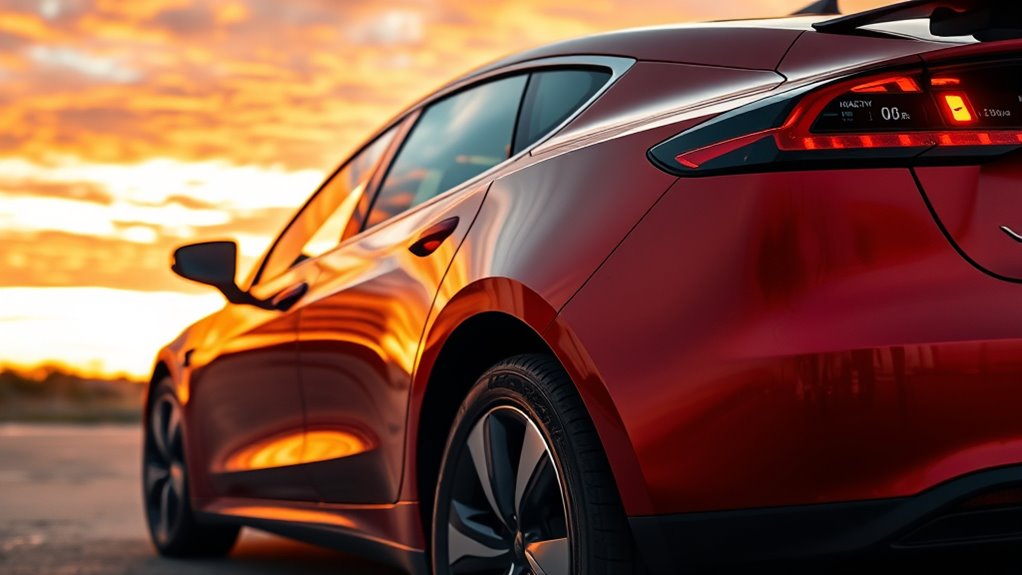

Your EV may be ready for an upgrade when its battery capacity drops markedly or its range no longer meets your daily needs. If you notice a marked decrease in miles per charge or increased charging times, it’s probably time to contemplate a new model. Advances in technology, safety features, and overall performance also signal that an upgrade could benefit you. Keep going to discover more signs that it’s time for a fresh EV experience.
Key Takeaways
- Significant battery capacity loss leading to reduced driving range impacts daily usability.
- Decline in vehicle range that no longer meets your travel needs warrants consideration.
- Outdated EV features like slow charging and lack of safety tech suggest it’s time for an upgrade.
- Technological advancements in newer models offer better safety, efficiency, and comfort benefits.
- When repair or replacement costs approach or exceed the value of a new vehicle, trading in is advisable.

Deciding when to upgrade your electric vehicle (EV) can be challenging, especially as technology advances rapidly. Vehicles age, and their performance can diminish over time, but knowing exactly when to trade in your current model isn’t always straightforward. One of the key signs to watch for is battery degradation. Over the years, your EV’s battery naturally loses capacity, which means it can’t hold a charge as well as it once did. If you notice your range decreasing markedly—say, from 250 miles down to 150 or 100 miles—you might be facing a point where replacing the battery or upgrading to a new vehicle makes more sense economically. Modern EV batteries are improving, but even the best batteries degrade eventually, and the cost of replacing them can be substantial. When battery performance starts to hinder your daily driving or long trips, it’s a clear indicator that it might be time to consider a new vehicle.
Battery degradation reduces range; consider upgrading when your EV’s performance no longer meets your needs.
Technology advancements also play an essential role in your decision. EVs are evolving rapidly, with newer models offering longer ranges, faster charging capabilities, and smarter features. If your current vehicle feels outdated compared to the latest offerings—lacking features like fast charging, improved safety systems, or enhanced connectivity—it could be worth upgrading. Staying current with technology isn’t just about convenience; it can also impact your vehicle’s value and your overall driving experience. Sometimes, newer models come with better thermal management systems that extend battery life and improve efficiency, or they incorporate software updates that enhance performance. If your EV no longer keeps pace with the technological improvements available, you might find that an upgrade offers better value and a more satisfying ownership experience. Additionally, advancements in projector technology demonstrate how rapid innovation can significantly enhance user experience, much like how EV technology continuously improves.
Ultimately, your decision to upgrade hinges on balancing your vehicle’s performance, technological improvements, and your personal needs. If battery degradation is limiting your daily routine, or if newer models offer significant advancements that improve safety, comfort, and efficiency, then it’s likely time to consider trading in. Staying informed about the latest EV innovations ensures you make a choice that maximizes your investment and keeps you moving forward smoothly.

Metrix Premium Chassis Parts Control Arm Kit Fits Smart Fortwo 2008-2015
- Compatible Vehicles: Smart Fortwo 2008-2015 and 2016 EV
- Kit Contents: 2 Front Lower Control Arms and Ball Joints
- Pre-Greased Design: Ensures durability and smooth operation
As an affiliate, we earn on qualifying purchases.
As an affiliate, we earn on qualifying purchases.
Frequently Asked Questions
How Often Do EV Batteries Typically Need Replacement?
Typically, EV batteries last between 8 to 15 years before needing replacement, but battery degradation can vary based on use and climate. You might need a replacement when you notice a significant drop in range. Replacement costs can be high, often ranging from $5,000 to $15,000. Regular maintenance and driving habits can help extend your battery’s lifespan, delaying the need for costly replacement.
Can Software Updates Extend My Ev’s Lifespan?
Yes, software updates can help extend your EV’s lifespan by improving battery longevity and overall performance. Manufacturers often release updates that optimize battery management systems, reduce energy waste, and enhance charging efficiency. Regularly installing these updates ensures your vehicle runs smoothly, maximizes battery health, and delays the need for replacement. Keep your EV connected to the internet to benefit from the latest software improvements and get the most out of your investment.
What Are the Environmental Impacts of Trading in Old EVS?
Trading in your old EV can drastically reduce environmental harm, especially if the battery gets recycled properly. Imagine halting mountains of toxic waste—your decision to upgrade supports battery recycling, which minimizes hazardous materials and promotes environmental benefits. By choosing responsibly, you help cut emissions, conserve resources, and protect the planet. Your trade-in isn’t just about a new ride; it’s a powerful move toward a cleaner, greener future.
How Does Resale Value Influence When to Upgrade?
Resale value plays a big role in your decision to upgrade. If your EV’s battery depreciation drops its resale market value markedly, it might be smarter to trade it in sooner. A lower resale value means you’ll likely get less when selling, so upgrading earlier could save you money. Keep an eye on battery health and market trends to maximize your EV’s worth before it loses too much resale value.
Are There Government Incentives for Upgrading to Newer EV Models?
Imagine saving hundreds or even thousands on your next EV—government rebates and incentive programs make this possible. Yes, there are incentives for upgrading to newer models, helping offset costs and encouraging cleaner transportation. These programs vary by location and vehicle type, so check local policies. Take advantage of government rebates, and you’ll find upgrading more affordable, turning your desire for a new EV into a smart, eco-friendly decision.

ChargePoint HomeFlex Level 2 EV Charger J1772 – Fast Smart Battery Power Charging at Home for Electric Automobile Vehicles – Hardwired for Electric Car
- Reliable Home Charging: Builds dependable EV charging stations
- 24/7 Support: Around-the-clock assistance available
- Mobile App Control: Manage charger via smartphone app
As an affiliate, we earn on qualifying purchases.
As an affiliate, we earn on qualifying purchases.
Conclusion
So, if your EV’s range drops below 70% of its original capacity or charging takes twice as long, it’s probably time to contemplate an upgrade. Remember, on average, EV batteries degrade by about 2-3% annually, meaning after 5 years, you could be losing up to 15% of your range. Think of it like your phone’s battery—eventually, it just can’t keep up. Upgrading ensures you stay connected and confident on every drive.
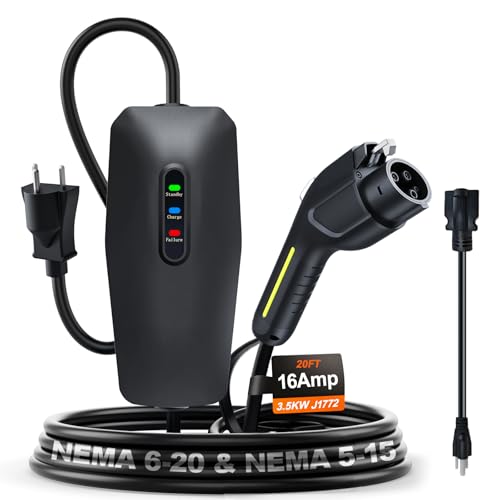
VDLPOWERVP Level 1&2 EV Charger 2026 Upgraded 16A 3.5KW – 20FT Cable & Dual NEMA Adapter (5-15/6-20) – 110V-240V Portable Electric Car Charger for All SAE J1772 EVs
- Advanced Charging Technology: Balanced speed and cost efficiency
- Fast Charging Capability: Up to 4 times faster than standard
- Versatile Power Adapters: Includes NEMA 6-20 and 5-15 adapters
As an affiliate, we earn on qualifying purchases.
As an affiliate, we earn on qualifying purchases.

Electric Scooter Adults, 50 Miles Long Range, 35 MPH Top Speed, 1600W Motor, 48V 20.8AH Battery, 11" Off-Road Tires Folding E Scooter for Adults and Teens, Fast Kick Scooter with Seat for Commuting
- Powerful Motor: 1600W for high speeds and inclines
- High-Speed Performance: Top speed of 35 MPH
- Long Range Battery: Up to 50 miles per charge
As an affiliate, we earn on qualifying purchases.
As an affiliate, we earn on qualifying purchases.