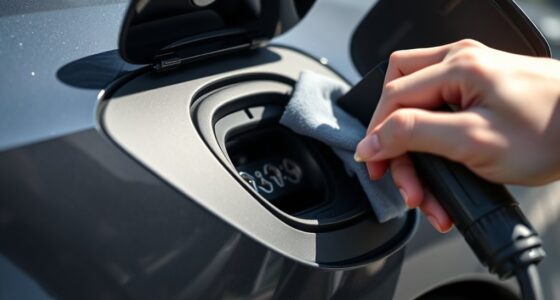
By reducing routine maintenance and service visits, you generate less waste from packaging, fluids, and worn parts. Less service means fewer replacements of tires, batteries, and filters, which lowers trash and recyclable materials. It also decreases the likelihood of hazardous waste from repairs. Staying mindful of eco-friendly practices and choosing minimal, necessary maintenance can markedly shrink your environmental impact. Curious how these habits can further benefit your vehicle and the planet? Keep exploring these sustainable strategies.

Get backup power and energy gear delivered free with Prime
- Fast, free delivery on millions of items
- Prime Video, Amazon Music and more included
- Member-only deals all year
Key Takeaways
- Regular vehicle checks prevent major issues, reducing unnecessary repairs and waste generation.
- Fewer service visits decrease the use of disposable supplies and packaging, minimizing waste.
- Maintaining the battery properly extends its lifespan, reducing the need for recycling or disposal.
- Eco-friendly maintenance practices, like using sustainable products, lower environmental impact and waste.
- Less frequent servicing aligns with sustainable habits, supporting resource conservation and waste reduction.

Maintaining your electric vehicle (EV) in an eco-friendly way not only benefits the environment but also extends the lifespan of your car. When you focus on reducing waste and implementing sustainable practices, you’re helping to lower your carbon footprint and promote a healthier planet. One of the most impactful ways to do this is by paying attention to battery recycling. EV batteries contain valuable materials like lithium, cobalt, and nickel, which can be recovered and reused through proper recycling programs. Instead of tossing out an old or damaged battery, you should seek out certified recycling facilities that specialize in EV batteries. This prevents hazardous materials from leaching into the environment and reduces the demand for mining new raw materials, which is energy-intensive and environmentally damaging. By prioritizing battery recycling, you’re making a conscious choice to promote circular resource use and minimize waste.
Prioritize EV battery recycling to reduce waste and environmental impact.
Similarly, tire disposal is another critical aspect of eco-friendly EV maintenance. While EV tires tend to wear more slowly due to the vehicle’s torque characteristics, they still need to be properly disposed of or recycled once they reach the end of their lifespan. Instead of throwing tires into landfills, you can opt for recycling programs that process old tires into rubber mulch, asphalt, or other useful products. Proper tire disposal reduces the risk of environmental contamination and prevents the proliferation of non-biodegradable waste. Many communities now offer dedicated collection points for tire recycling, so it’s worth researching local options to ensure your tires are handled responsibly.
In addition to focusing on battery recycling and tire disposal, you can adopt other eco-friendly maintenance habits that reduce waste. For instance, performing regular health checks on your EV’s systems can help catch issues early, minimizing unnecessary repairs and part replacements. Using eco-conscious cleaning products and avoiding single-use supplies also helps cut down on waste. When servicing your vehicle, choose certified eco-friendly garages that follow sustainable practices, such as proper waste segregation and recycling of fluids and parts. These small steps, combined with responsible battery and tire management, make a significant difference in reducing the waste generated by your EV. Incorporating sauna build and maintenance knowledge into your routine can also inspire you to adopt sustainable practices in other areas of your life, fostering a holistic approach to eco-friendly living.
Ultimately, less service often means less waste, but it requires intentional efforts on your part. By staying informed about battery recycling options and proper tire disposal, you actively contribute to a more sustainable future. Your choices matter—embracing eco-friendly maintenance habits ensures your EV remains a green alternative while minimizing its environmental impact.
As an affiliate, we earn on qualifying purchases.
Frequently Asked Questions
How Often Should I Check My Ev’s Battery Health?
You should check your EV’s battery health at least every 6 to 12 months through battery monitoring. This maintenance frequency helps catch potential issues early, ensuring peak performance and longevity. Regular checks allow you to monitor charge levels, temperature, and overall condition. By staying on top of battery health, you reduce waste and extend your vehicle’s lifespan, making your EV more eco-friendly and cost-effective over time.
Are There Eco-Friendly Options for EV Tire Disposal?
Think of tire disposal as turning yesterday’s tires into tomorrow’s resources. You can opt for eco-friendly disposal options like tire recycling, which transforms old tires into useful products. Many recycling centers accept EV tires, ensuring they don’t end up in landfills. By choosing environmentally responsible tire recycling, you help reduce waste and protect the planet, making your EV maintenance truly eco-friendly and sustainable.
What Sustainable Materials Are Used in EV Maintenance Parts?
You’ll find that EV maintenance parts often use sustainable materials like recycled plastics, biodegradable lubricants, and eco-friendly components such as natural fiber composites. These materials help reduce environmental impact by minimizing waste and reliance on non-renewable resources. By choosing parts made with sustainable materials, you support eco-friendly practices that lower your carbon footprint and promote cleaner, greener transportation.
How Does EV Maintenance Impact Overall Vehicle Lifespan?
Imagine your EV as a delicate balance; proper maintenance sustains its lifespan. By monitoring battery longevity and sticking to recommended service intervals, you prevent costly repairs and early replacements. Regular checks keep the vehicle running smoothly, reducing wear and tear. This proactive approach ensures your EV stays reliable longer, maximizing its lifespan and minimizing waste. Less frequent, targeted maintenance ultimately preserves your vehicle’s health and the environment.
Can DIY EV Maintenance Reduce Environmental Impact?
Yes, DIY EV maintenance can reduce environmental impact by promoting practices like battery recycling and using eco-friendly lubricants. When you perform basic checks and maintenance yourself, you can prevent unnecessary waste and extend your vehicle’s lifespan. Properly recycling batteries prevents hazardous materials from polluting the environment, while eco-friendly lubricants minimize harmful runoff. This proactive approach helps you lower your carbon footprint and supports a more sustainable future for electric vehicle use.
eco-friendly EV tire recycling program
As an affiliate, we earn on qualifying purchases.
As an affiliate, we earn on qualifying purchases.
Conclusion
By choosing eco-friendly EV maintenance, you’re like a gardener tending a delicate yet resilient plant—less waste, less harm. When you prioritize fewer services and sustainable practices, you help reduce environmental impact, making the world a cleaner place. It’s a simple act that creates ripples, just like dropping a stone into a pond. So, embrace smarter maintenance; it’s a small step that makes a big difference for our planet’s health and your vehicle’s longevity.
sustainable EV maintenance products
As an affiliate, we earn on qualifying purchases.
As an affiliate, we earn on qualifying purchases.
electric vehicle maintenance tools
As an affiliate, we earn on qualifying purchases.
As an affiliate, we earn on qualifying purchases.
Halloween Picks
halloween
As an affiliate, we earn on qualifying purchases.