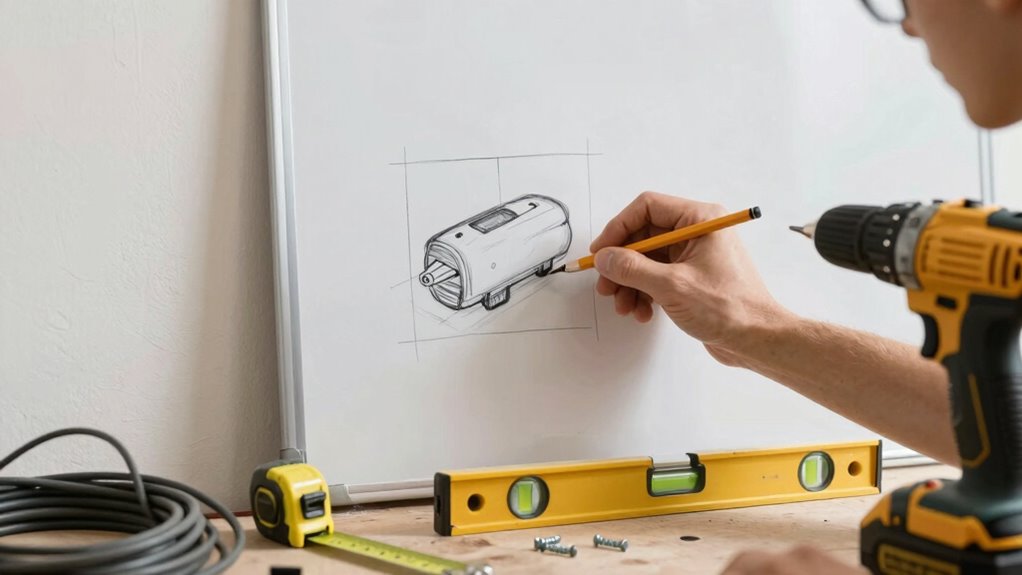

Before drilling, identify high-traffic areas and main pathways that guarantee easy access and smooth vehicle flow. Check existing electrical infrastructure and plan upgrades if needed. Focus on precise placement of wireless charging spots to maximize efficiency, avoiding awkward maneuvers. Incorporate safety measures, such as well-lit, accessible locations, and gather user feedback to align with practical needs. Taking these steps carefully sets the foundation for successful installation and ongoing performance, and there’s more helpful guidance to explore further.

Get backup power and energy gear delivered free with Prime
- Fast, free delivery on millions of items
- Prime Video, Amazon Music and more included
- Member-only deals all year
Key Takeaways
- Conduct site surveys and analyze vehicle flow to identify high-traffic, accessible locations for optimal charger placement.
- Use site maps or diagrams to visualize potential spots, ensuring alignment with infrastructure and future expansion needs.
- Verify electrical capacity and plan upgrades to support charger installation without disrupting existing systems.
- Prioritize safety by selecting well-lit, unobstructed areas that comply with safety standards and regulations.
- Collect user feedback to ensure placement is practical, minimizes detours, and meets user convenience expectations.
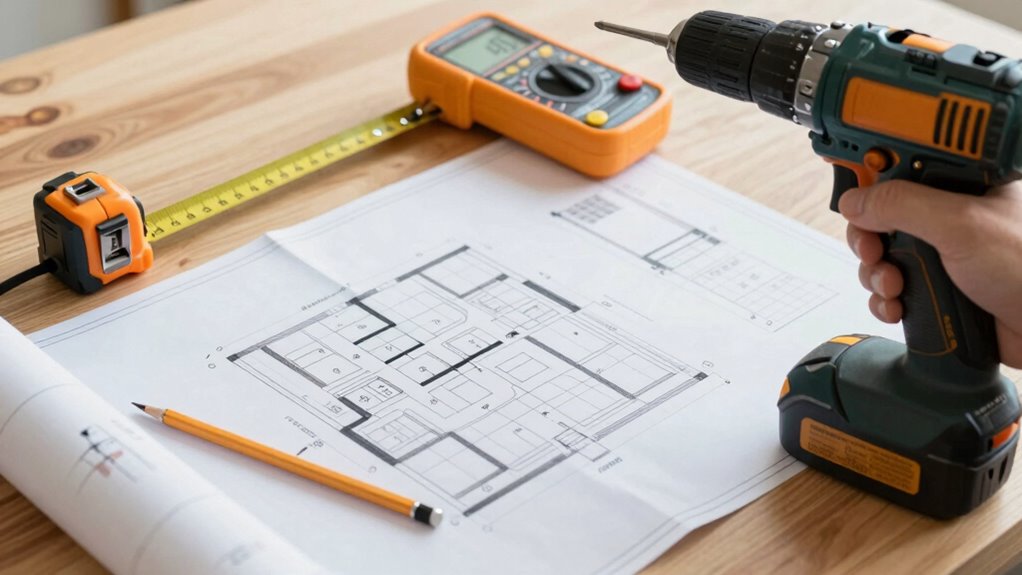
Effective charger placement planning guarantees that electric vehicle users can conveniently access power sources without unnecessary detours or delays. To achieve this, you need to think strategically about where to position your chargers, especially if you’re considering options like wireless charging or traditional power outlet accessibility. Wireless charging offers a seamless experience, allowing drivers to charge without plugging in, but it requires precise placement for maximum efficiency. You should identify spots where vehicles can easily align with wireless pads, ideally in high-traffic areas, so users don’t have to navigate awkwardly or reposition their cars.
Strategically position chargers in high-traffic areas for easy access and efficient wireless charging alignment.
When planning charger locations, consider the accessibility of power outlets. You want to avoid situations where users struggle to connect or where installation becomes complicated due to wiring constraints. Making power outlets easy to reach means fewer obstacles during installation and a more user-friendly experience. Check existing electrical infrastructure and plan for upgrades if necessary. If you’re installing multiple chargers, ensure they’re distributed evenly across your property to prevent congestion and reduce wait times. Think about the flow of traffic and how users will approach the chargers—placing them along main pathways or near parking spots makes access faster and more intuitive.
Prioritize locations that minimize the need for drivers to make significant detours from their usual routes. This could mean placing chargers close to entrances, exits, or popular destination spots. When users don’t have to go out of their way, they’re more likely to use the chargers regularly. Also, consider the future expansion of your charging network. Planning for additional chargers now can save you from costly relocations later. Use a site map to visualize how vehicles will move around your property and where chargers can be most effectively integrated without obstructing other operations. Incorporating future-proofing into your planning can help accommodate technological advancements and increased demand over time.
Another essential factor is safety. Ensure that chargers, especially those with exposed wiring or power outlets, are installed in well-lit areas and away from high-traffic zones to prevent accidents. If you’re exploring wireless charging, verify that the electromagnetic fields won’t interfere with other equipment or pose health risks, and confirm that the installation meets all safety standards. Additionally, understanding the safety standards applicable to electrical and wireless installations is crucial for a compliant and secure setup. Incorporating monitoring systems can also help ensure ongoing safety and optimal performance of your charging stations. Considering power protection measures can prevent costly damage caused by power surges or outages, enhancing reliability. Finally, gather input from users or potential customers to identify their needs and preferences. Their insights can help you determine the most practical locations, making sure that your charger placement isn’t just technically sound but also user-friendly.
As an affiliate, we earn on qualifying purchases.
Frequently Asked Questions
Can I Move the Charger After Installation?
Yes, you can move the charger after installation, but it involves charger relocation and cable rerouting. First, disconnect the charger carefully to avoid damage. Then, reroute the cables to your new location, making sure they’re long enough and safely secured. Finally, reconnect everything properly. Keep in mind, some installations might require professional help to ensure safety and compliance with electrical codes.
How Do I Hide the Charger Cables?
Imagine your space as a sleek canvas—cable management turns chaos into art. To hide charger cables, use concealment techniques like cable clips, raceways, or cord covers that blend with your decor. Tuck excess cords behind furniture or under rugs, and opt for wireless chargers where possible. These steps keep your area tidy, safe, and visually appealing, transforming your charging zone from cluttered to clean.
What Tools Are Needed for Charger Installation?
To install your charger, you’ll need essential tools like a screwdriver, wire strippers, and a drill. You’ll also require electrical wiring to connect the charger properly and mounting brackets to secure it in place. Make certain you have a voltage tester to guarantee safety during installation. These tools help you handle electrical connections confidently and securely, ensuring your charger is correctly mounted and functional.
How Do I Determine the Best Power Source?
To determine the best power source, you need to check your electrical wiring and guarantee power compatibility. First, locate an outlet close to your planned charger spot. Verify the outlet’s voltage and amperage match your charger’s requirements. If necessary, consult a professional to assess your electrical system. This ensures safe, efficient charging and prevents overloads, making sure your charger works reliably without risking damage or electrical issues.
Is It Safe to Install a Charger Outdoors?
You bet it’s safe to install a charger outdoors if you take the right steps. First, weatherproofing considerations are key—use outdoor-rated equipment and protective enclosures to keep everything safe from the elements. Also, check permit requirements in your area, as outdoor installations often need approval. When you cover these bases, you’re playing it smart and ensuring your charger stays reliable and safe through all weather conditions.
electric vehicle charging station
As an affiliate, we earn on qualifying purchases.
As an affiliate, we earn on qualifying purchases.
Conclusion
Now that you’ve mapped your charger placement methodically, manage your materials mindfully, and make your move with confidence. Remember, proper planning prevents potential problems and paves the path for a perfect setup. By balancing boldness with careful calculations, you’ll avoid errors and guarantee efficient energy access. Stay smart, stay strategic, and soon you’ll savor the satisfaction of a seamless, safe, and successful charger installation. Charge ahead with clarity and confidence!
As an affiliate, we earn on qualifying purchases.
As an affiliate, we earn on qualifying purchases.
Halloween Picks
halloween
As an affiliate, we earn on qualifying purchases.