Using laser levels and tape measures streamlines your garage setup by helping you create straight lines and precise measurements quickly and accurately. Laser levels guarantee your shelves, cabinets, and pegboards are perfectly aligned, while tape measures verify distances and storage space. Proper calibration and safety practices improve your work’s quality and reduce waste. To discover more tips for a smooth garage project, keep exploring how these tools can make your renovation safer and more efficient.
Key Takeaways
- Laser levels create straight, precise lines for accurate placement of shelves, cabinets, and other garage fixtures.
- Tape measures verify distances and ensure proper measurements for layout and space utilization.
- Combining laser levels with tape measures enhances measurement accuracy and reduces setup errors.
- Proper calibration of tools prevents mistakes, saving time and material waste during installation.
- Using both tools safely and correctly promotes a secure, efficient, and professional garage setup.
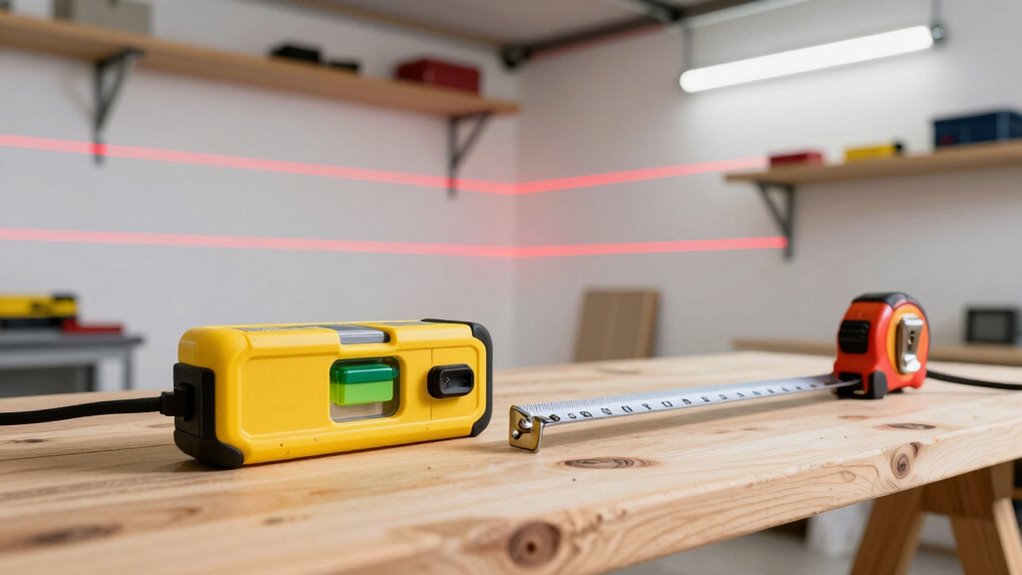
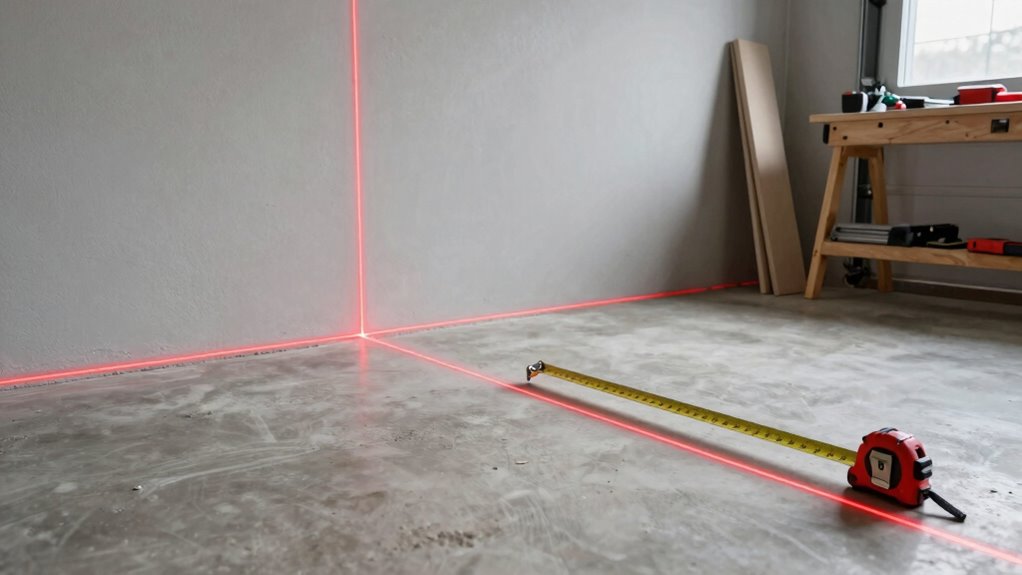
Are you ready to transform your garage into a functional and organized space? If so, investing in the right tools can make all the difference. Laser levels and tape measures are essential for ensuring your setup projects are precise and efficient. Using a laser level allows you to create perfectly straight lines on walls or floors, which is vital when installing shelving, cabinets,, or pegboards. With these tools, you can avoid crooked installations that look unprofessional and can compromise safety. When working with laser levels, it’s important to remember proper tool calibration. Regularly checking that the laser is aligned correctly ensures your measurements stay accurate throughout the project. This simple step prevents costly mistakes and saves time, especially when hanging multiple items at consistent heights. Proper calibration is crucial for maintaining measurement accuracy and ensuring safety during your project. Tape measures, on the other hand, are invaluable for measuring distances between objects, determining storage space, and planning layouts. They give you the flexibility to take quick measurements and double-check dimensions before drilling or cutting. When using a tape measure, make sure to extend it fully and lock it securely to prevent inaccuracies. Combining the use of a laser level with a tape measure allows you to double-check measurements and maintain precision. This helps you plan your garage layout more effectively, ensuring everything fits as intended and creating a clutter-free environment. Additionally, understanding the limitations of laser levels can help you troubleshoot common setup issues and improve overall accuracy. Proper tool calibration also supports sustainable practices by reducing material waste from measurement errors, which is an important aspect of environmentally conscious projects. Being aware of common measurement mistakes can further enhance your project’s accuracy and efficiency. Incorporating proper measurement techniques ensures your setup is both accurate and efficient. Safety precautions should always be a priority during garage setup projects. When working with laser levels, avoid direct eye contact with the laser beam, as it can cause eye injury. Keep the laser level stable on a flat surface or mount it securely to prevent it from falling and causing damage or injury. When measuring with a tape measure, be mindful of your surroundings to avoid tripping over cords or tools. Always wear protective gear, like gloves and goggles, if you’re cutting or drilling into walls or floors. Proper tool calibration isn’t just about accuracy; it also contributes to safety by preventing the need for repeated measurements or adjustments, reducing the risk of accidents.
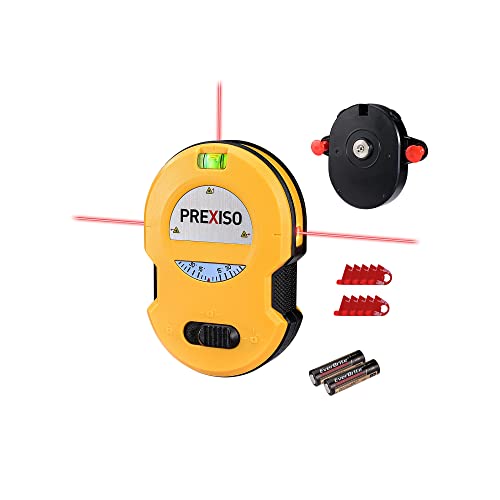
PREXISO Multi Surface Laser Level LED Light Vial, 30Ft Horizontal & Vertical Line Laser with Wall Mount Base, 2 Pins, 10 Sticker, 2 AA Batteries for Hanging Frames & Picture, Construction Wall Writing
One-switch Operation: Simple one-switch operation powers 3 laser lines on and off, projecting 3 level line onto surface;…
As an affiliate, we earn on qualifying purchases.
As an affiliate, we earn on qualifying purchases.
Frequently Asked Questions
How Do Laser Levels Work in Low-Light Conditions?
In low-light conditions, laser levels still work effectively because their beams are designed to be highly visible, even in dim lighting. The laser’s bright, focused beam makes it easy for you to see your reference lines clearly, regardless of lighting conditions. Some models also come with adjustable brightness settings or glow-in-the-dark features, enhancing beam visibility. This guarantees accurate measurements and level lines, even when lighting isn’t ideal.
Can Tape Measures Be Used for Curved Surfaces?
Yes, tape measures can be used for curved surfaces through flexible measuring. Their flexible design allows you to adapt the tape to the surface’s shape, providing accurate measurements even on irregular or rounded surfaces. You simply contour the tape along the curve, ensuring it stays in contact for precise readings. This surface adaptation makes tape measures versatile tools for various garage setup projects involving curved or uneven surfaces.
What Is the Maximum Range of a Laser Level?
Imagine a laser beam slicing through your garage like a guiding light—its maximum range varies, typically from 30 to over 200 feet, depending on the model. A laser level’s accuracy guarantees your lines stay sharp at long distances, while a durable tape measure keeps up with your measurements on tough surfaces. Together, they help you achieve precise, professional results in your garage setup, no matter the size.
Are Digital Tape Measures More Accurate Than Traditional Ones?
Digital tape measures generally offer higher digital accuracy compared to traditional ones, thanks to their electronic sensors and digital readouts. You get precise measurements instantly, reducing human error. However, traditional tape measures are known for their reliability, durability, and simplicity, making them dependable in rough environments. If you prioritize accuracy and quick readings, go digital; if you need proven reliability, stick with traditional tape measures.
How Do I Maintain and Calibrate My Laser Level?
To maintain your laser level, regularly check its battery life and replace batteries as needed to guarantee consistent performance. Calibration is essential; you should calibrate your laser level at least once a year or after any accidental drops or impacts. Follow the manufacturer’s instructions for calibration procedures, which often involve leveling the device on a flat surface and using built-in calibration tools. Proper maintenance keeps your laser level accurate and reliable.
digital tape measure for home projects
As an affiliate, we earn on qualifying purchases.
As an affiliate, we earn on qualifying purchases.
Conclusion
With laser levels and tape measures in your toolbox, you’re well-equipped to tackle your garage setup projects. These tools make it easier to achieve precise measurements and straight lines, saving you time and frustration. Remember, a job worth doing is worth doing right, so don’t cut corners. With patience and the right tools, you’ll have your garage looking sharp in no time. Stick to the plan, and you’ll turn that space into exactly what you envision.
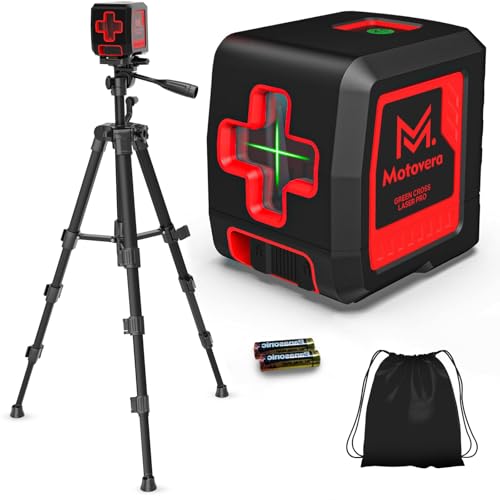
Motovera Self Leveling Laser Level 100ft, Green Cross Line with Tripod, 4 Brightness Modes & Pulse Function, Manual & Self-Leveling Modes, IP54 Waterproof for Picture Hanging, Tile, DIY Construction
【Ultra-Bright Green Beam & High-Precision Accuracy】Powered by an advanced green laser diode, this tool delivers 4X the brightness…
As an affiliate, we earn on qualifying purchases.
As an affiliate, we earn on qualifying purchases.
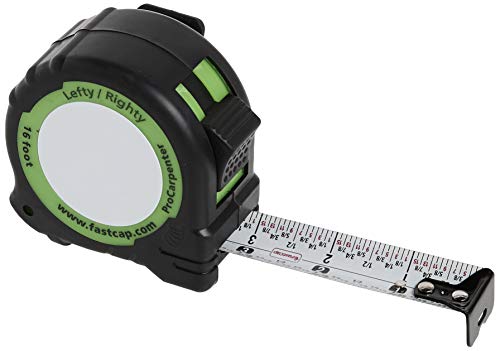
FastCap PSSR-16 16 Foot Pro Carpenter Standard Reverse Measuring Tape
The Standard/Standard Reverse features standard measurements that are readable when the tape is extended from either the right…
As an affiliate, we earn on qualifying purchases.
As an affiliate, we earn on qualifying purchases.