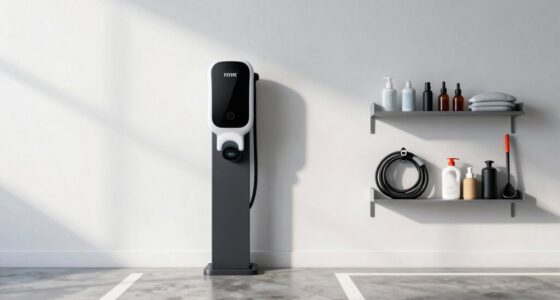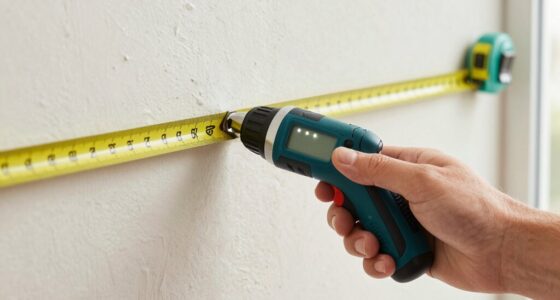
When comparing smart plugs, energy monitors, and circuit-level tools, consider installation complexity, from simple plug-in for smart devices to professional panel work for circuit tools. Look at wireless options like Wi-Fi or Zigbee, which affect ease of use and integration with smart home systems. Think about data detail—smart plugs offer basic info, while circuit-level tools provide deep insights. To make the best choice for your needs, explore how each option fits your energy goals and budget.

Get backup power and energy gear delivered free with Prime
- Fast, free delivery on millions of items
- Prime Video, Amazon Music and more included
- Member-only deals all year
Key Takeaways
- Assess installation complexity and whether invasive work or professional help is needed for setup.
- Compare wireless connectivity options for ease of integration with smart home systems.
- Evaluate the level of energy data detail and monitoring scope each device provides.
- Consider use cases: quick device control, overall energy tracking, or detailed home circuit analysis.
- Account for cost, installation effort, and data accuracy when choosing the appropriate device type.

When choosing between smart plugs, energy monitors, and circuit-level tools, understanding their differences is essential to making an informed decision. Each offers unique benefits and challenges, especially when it comes to wireless connectivity and installation complexity. Smart plugs are the simplest to set up, often requiring just plugging into a standard outlet and connecting via Wi-Fi or Bluetooth. Their wireless connectivity is straightforward, making them ideal for quick setups and controlling individual devices remotely. However, their functionality is limited to the device plugged into them, and they typically don’t provide detailed energy consumption data.
Energy monitors, on the other hand, are designed to give you a broader view of your energy usage, often by plugging into a wall outlet and then connecting your appliances. They usually feature wireless connectivity options like Wi-Fi or Zigbee, allowing you to track power consumption through apps or smart home systems. Installation complexity is slightly higher here since you might need to set up a dedicated app or integrate the monitor into an existing network. They’re perfect if you want detailed insights into your overall energy consumption without invasive installation work. Additionally, selecting devices with accurate measurement capabilities can significantly impact the reliability of your energy data.
Circuit-level tools are the most all-encompassing but also the most complex to install. These devices typically replace or connect to your electrical panel, allowing you to monitor multiple circuits simultaneously. Because of their placement, they often require professional installation, which adds to the initial setup effort and cost. Regarding wireless connectivity, some circuit-level tools feature advanced options like mesh networking, but many still rely on wired connections or require additional hubs. If you’re looking for granular data across your entire home’s electrical system and don’t mind the installation complexity, these tools are your best bet. They can provide real-time insights and help identify energy drains that smaller devices might miss. Additionally, understanding the contrast ratio of your monitoring devices can influence how clearly you interpret the data displayed.
As an affiliate, we earn on qualifying purchases.
Frequently Asked Questions
Can Smart Plugs Monitor Real-Time Energy Consumption Accurately?
Smart plugs can monitor real-time energy consumption quite accurately, but their energy accuracy depends on the device’s quality and calibration. You should check if the smart plug is compatible with your devices to guarantee accurate readings. Keep in mind that cheaper models might have less precise measurements, so selecting a reputable brand with good device compatibility helps you get reliable energy data for smarter energy management.
Are Circuit-Level Tools Suitable for Residential or Commercial Use?
You’re in the right place to weigh your options. Circuit-level tools are suitable for both residential and commercial use, provided you prioritize circuit safety and power efficiency. They give you detailed insights into electrical systems, helping you spot inefficiencies and potential hazards. While they’re more complex, these tools are invaluable for thorough monitoring, making them a smart investment if you’re serious about optimizing energy use and ensuring safety across larger spaces.
How Do I Ensure Compatibility With My Existing Home Automation System?
You guarantee compatibility with your home automation system by checking device integration details and verifying compatibility testing. Start by reviewing your system’s specifications and supported protocols, like Zigbee or Z-Wave. Then, confirm that the smart device or energy monitor you choose works seamlessly with these protocols. It’s also wise to consult user manuals or manufacturer websites for compatibility updates, ensuring smooth integration and avoiding any setup issues.
Do Energy Monitors Require Professional Installation?
Think of energy monitors like a high-precision map—you might want a professional to guarantee it’s correctly laid out. Typically, energy monitors don’t require professional installation, but their accuracy can depend on proper setup. Some smart plug limitations mean you might need expert help if you’re integrating advanced circuits. If you’re unsure, consulting an electrician guarantees your monitor works accurately and safely, especially with complex wiring.
What Security Features Should I Look for in Smart Energy Devices?
When choosing smart energy devices, look for strong security features like data encryption and user authentication. Data encryption protects your energy usage data from unauthorized access, while user authentication ensures only you can control the device. These features help safeguard your privacy and prevent hacking attempts. Prioritize devices that clearly specify these security measures, giving you peace of mind as you monitor and control your energy consumption.
As an affiliate, we earn on qualifying purchases.
Conclusion
By choosing the right device, you’re not just plugging in a gadget—you’re illuminating a path to smarter energy use. Picture your home as a well-orchestrated symphony, each device playing in harmony. Whether you opt for a smart plug, energy monitor, or circuit-level tool, you’re tuning your environment to run more efficiently. Embrace the power of these tools, and watch as your energy savings grow, shining brightly like a beacon of smarter living.
circuit level electrical panel monitor
As an affiliate, we earn on qualifying purchases.
As an affiliate, we earn on qualifying purchases.
As an affiliate, we earn on qualifying purchases.
Halloween Picks
halloween
As an affiliate, we earn on qualifying purchases.