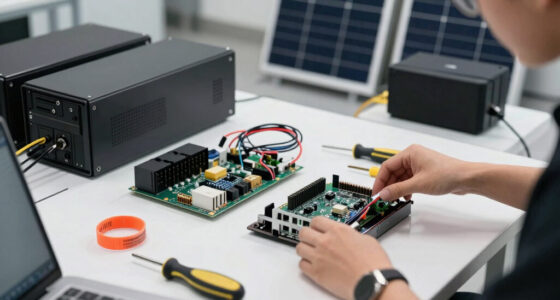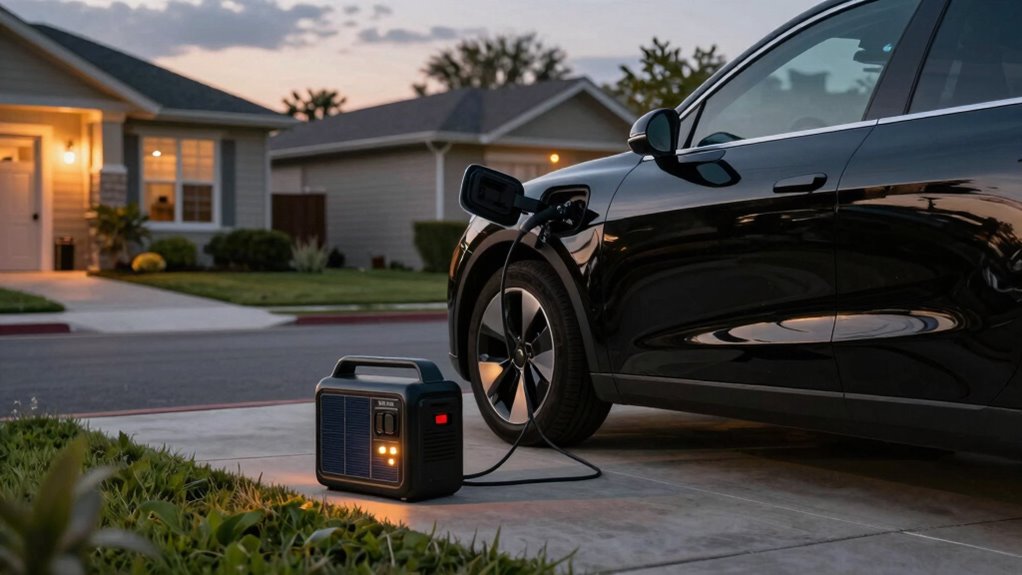

As an EV owner, thinking about backup power means considering how to keep your vehicle charged during outages and support your lifestyle without relying solely on the grid. You can store excess renewable energy and optimize its use, ensuring your EV stays ready even when power is disrupted. Smart energy management and secure backup systems help protect your home and vehicle. Sticking with these ideas will prepare you for a more resilient, cost-effective energy future.

Get backup power and energy gear delivered free with Prime
- Fast, free delivery on millions of items
- Prime Video, Amazon Music and more included
- Member-only deals all year
Key Takeaways
- Assess your backup power needs based on your vehicle usage, local outage risks, and renewable energy integration goals.
- Consider energy storage options like home batteries or portable stations to ensure reliable EV charging during outages.
- Prioritize smart energy management systems for efficient, secure, and renewable-compatible backup power solutions.
- Plan for grid independence to maintain mobility and household functions during power disruptions.
- Align backup power strategies with future EV adoption plans and cybersecurity requirements for comprehensive resilience.
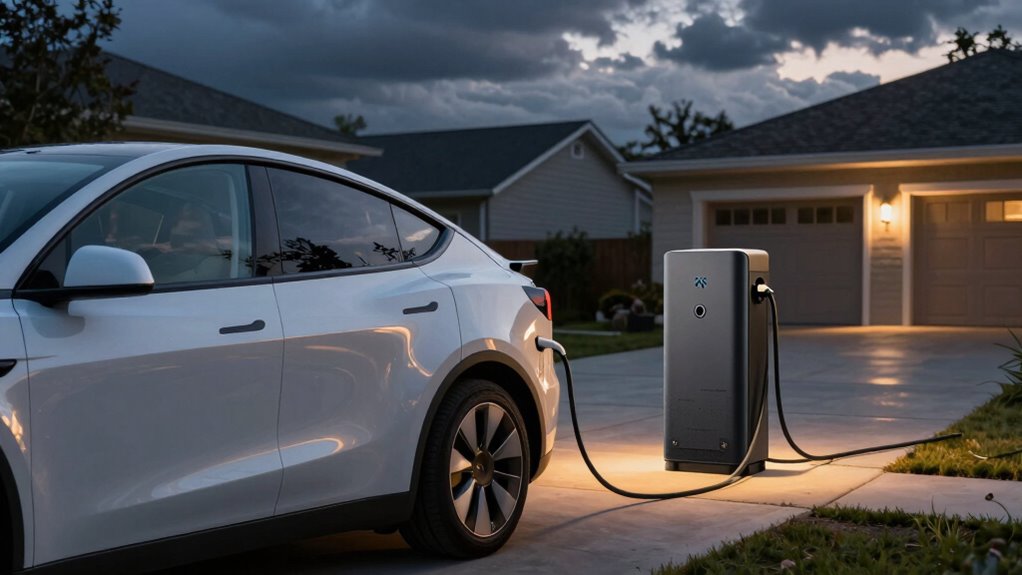
Having backup power for your electric vehicle (EV) has become increasingly important as more people rely on their cars for daily commuting. With the rise of renewable energy sources like solar and wind, integrating backup power options can help you maximize the benefits of renewable integration. When you think about backup power, it’s not just about keeping your car charged during outages; it’s about creating a more resilient and sustainable energy system that supports your lifestyle and reduces reliance on the grid. By investing in backup power solutions, you can achieve a level of grid independence, giving you control over your energy consumption and ensuring you’re never stranded without a charge.
One key aspect to contemplate is how backup power enhances renewable integration. If you have solar panels or other renewable sources, backup systems can store excess energy for later use, especially during cloudy days or at night. This means you’re making the most of clean energy and reducing your dependence on fossil fuels. When you have a reliable backup, you can continue to use renewable energy seamlessly, even when grid conditions are unstable or during power outages. This not only benefits the environment but also helps you save money in the long run by maximizing your renewable assets. Additionally, energy storage technology plays a crucial role in optimizing how stored energy is managed and utilized. Incorporating smart energy management systems can further enhance efficiency and ensure your stored energy is used most effectively. Implementing secure backup systems can also protect your energy infrastructure from cyber threats and unauthorized access.
Grid independence is another critical factor. When you have a backup power system, you’re less vulnerable to grid disruptions, which are becoming more frequent due to extreme weather and aging infrastructure. You can keep your EV charged and your household running without relying solely on the grid. This independence can be achieved through solutions like home batteries or portable power stations, which store energy when it’s abundant and release it when needed. Such systems give you peace of mind, knowing you’re not at the mercy of utility outages or fluctuating electricity prices. As grid reliability continues to decline in some regions, resilience strategies are becoming increasingly vital for maintaining consistent energy access.
Thinking about backup power also means planning for the future. As EV adoption grows, the demand on the grid increases, and the risk of outages may rise. By proactively investing in backup solutions, you’re not only protecting your daily mobility but also contributing to a more resilient energy ecosystem. It’s about creating a system where your EV charging is flexible, reliable, and aligned with renewable energy goals. This approach empowers you to be more self-sufficient, support renewable integration efforts, and reduce your overall carbon footprint. In the end, backup power isn’t just a convenience; it’s a strategic step toward a cleaner, more independent energy future. Additionally, Full audit trails, RBAC, and security scanning from enterprise governance solutions can help ensure your backup systems are secure and compliant as part of a comprehensive energy management strategy.
home battery backup for EV charging
As an affiliate, we earn on qualifying purchases.
As an affiliate, we earn on qualifying purchases.
Frequently Asked Questions
Can I Use My Ev’s Battery to Power My Home During Outages?
Yes, you can use your EV’s battery to power your home during outages with vehicle integration systems designed for this purpose. These systems allow you to transfer power directly from your EV, but proper battery management is vital to avoid draining your vehicle’s battery excessively. Make certain your EV and home setup are compatible, and follow safety guidelines to guarantee reliable backup power without compromising your vehicle’s performance.
What Are the Costs Associated With Installing Backup Power Systems?
The costs for installing backup power systems involve a thorough cost analysis and installation expenses. You’ll need to take into account the price of the battery unit, inverter, and any necessary electrical upgrades. Installation expenses vary based on your home’s setup and local labor rates. While upfront costs can be significant, investing in backup power offers peace of mind during outages and can save you money in the long run.
How Long Can an EV Provide Backup Power for My House?
Your EV can provide backup power for your house for a few hours to over a day, depending on its battery capacity and your home’s energy needs. Larger battery capacity means longer power duration. You’ll need to evaluate how much energy your household consumes and the EV’s available charge. Typically, a full charge can power essential appliances for several hours, but precise duration varies based on usage and system setup.
Are There Government Incentives for Backup Power Solutions for EV Owners?
A stitch in time saves nine, so it’s wise to explore your options early. You might find government grants and tax credits available for backup power solutions for EV owners. These incentives aim to ease costs and encourage sustainable energy use. Check with local and federal programs, as eligibility varies. Taking advantage of these can make installing backup power more affordable, ensuring you stay powered during outages without breaking the bank.
What Safety Precautions Should I Take When Using EV Batteries for Backup Power?
When using EV batteries for backup power, prioritize safety by following proper safety protocols and practicing battery management. Always wear protective gear, avoid overcharging, and guarantee ventilation to prevent heat buildup. Regularly inspect the batteries for damage or corrosion, and keep all connections secure. Stay informed about manufacturer guidelines, and never attempt to modify or mishandle the batteries. These precautions help prevent accidents and ensure safe, reliable backup power.
portable power station for electric vehicle
As an affiliate, we earn on qualifying purchases.
As an affiliate, we earn on qualifying purchases.
Conclusion
Think of backup power for your EV as a safety net, much like a lighthouse guiding ships safely through storms. When a blackout hits, having a reliable backup keeps you moving, just like the lighthouse ensures ships find their way. Remember, nearly 60% of EV owners see backup power as essential for peace of mind. By planning ahead, you guarantee your journey stays uninterrupted, turning potential crises into mere ripples on your road to freedom.
solar energy storage system for home
As an affiliate, we earn on qualifying purchases.
As an affiliate, we earn on qualifying purchases.
smart energy management system for backup power
As an affiliate, we earn on qualifying purchases.
As an affiliate, we earn on qualifying purchases.
Halloween Picks
halloween
As an affiliate, we earn on qualifying purchases.