
TL;DR

Get backup power and energy gear delivered free with Prime
- Fast, free delivery on millions of items
- Prime Video, Amazon Music and more included
- Member-only deals all year
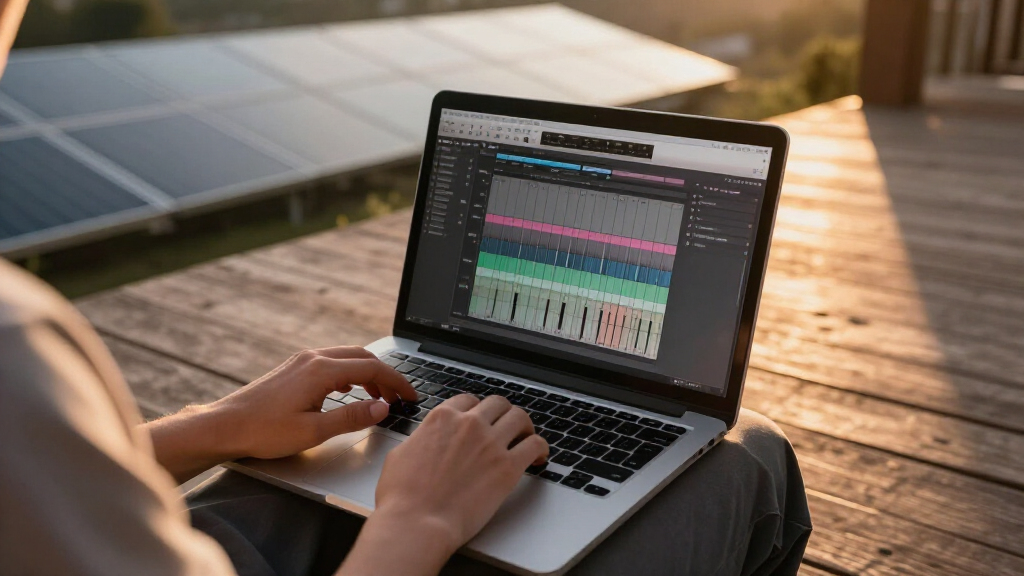
Audacity has released its largest update in its 26-year history, signaling a new era for the popular free, open-source audio editing software. The update introduces significant features and improvements, though details remain emerging.
Audacity, the widely used free and open-source audio editing software, has announced its biggest update in 26 years, marking a new era for the project. The update introduces a range of new features and improvements aimed at enhancing user experience and expanding capabilities, according to the developers. This development is significant for millions of users worldwide who rely on Audacity for audio editing, production, and educational purposes.
The developers of Audacity confirmed that the upcoming update will include major interface redesigns, advanced editing tools, and improved performance. While specific features have not been fully disclosed, early indications suggest a focus on usability and accessibility, with some sources hinting at integrated AI-assisted functions and enhanced support for various audio formats.
Audacity’s team emphasized that this update is the result of extensive development work and community feedback, aiming to modernize the platform while maintaining its core open-source philosophy. The announcement has generated significant interest across tech and audio production communities, with search interest spiking in recent days.
It is important to note that details about the update’s exact features, release date, and potential system requirements are still emerging. The developers have stated that more information will be shared in the coming weeks as testing progresses and final preparations are made for the rollout.
What This Means for Audacity Users and the Open-Source Community
This major update could redefine the future of Audacity, potentially attracting new users and revitalizing existing ones. For the open-source community, it signals ongoing investment and innovation in a project that has been a staple in audio editing for over two decades. The update may also influence other open-source audio tools and inspire further development in the field.
For current users, the improvements could translate into a more streamlined workflow, new creative possibilities, and better performance on modern hardware. However, some community members are awaiting detailed information on compatibility and stability, as large updates sometimes introduce bugs or require adjustments.
As an affiliate, we earn on qualifying purchases.
Background and Recent Developments in Audacity’s Evolution
Audacity was launched in 1999 and has grown to become one of the most popular free, open-source audio editing tools globally. It has been maintained by a dedicated community of developers, with periodic updates that add features, improve stability, and address security concerns. Over the years, Audacity has faced competition from commercial DAWs and newer open-source projects, but it remains widely used in education, podcasting, and amateur music production.
In recent years, there has been increased interest in open-source audio tools, partly driven by broader trends toward free and accessible software. The current spike in coverage and search interest appears to be triggered by the recent announcement of this historic update, though the exact reasons for the timing are unconfirmed. The development team has not disclosed specific reasons for the update’s timing or the scope of the changes involved.
As an affiliate, we earn on qualifying purchases.
Details of the Update and Its Final Features Still Unclear
While the announcement confirms a major update, many specifics remain undisclosed. It is not yet clear exactly which features will be included, how the interface will change, or when the update will be officially released. Additionally, the scope of the improvements in terms of stability, compatibility, and performance enhancements is still uncertain.
Developers have indicated more information will be shared soon, but until then, some community members remain cautious about potential bugs or unforeseen issues that can accompany large software overhauls.
audio editing software for Windows Mac Linux
As an affiliate, we earn on qualifying purchases.
As an affiliate, we earn on qualifying purchases.
Next Steps for Audacity’s Development and Community Engagement
The development team plans to release further details and beta versions in the coming weeks, inviting community testing and feedback. The official release date is not yet announced, but expectations are that it will occur within the next few months.
Users and developers are encouraged to follow official channels for updates, participate in testing if possible, and prepare for potential transition periods as the new version rolls out. The community’s response and feedback will likely influence final adjustments before the official launch.
professional podcast editing software
As an affiliate, we earn on qualifying purchases.
As an affiliate, we earn on qualifying purchases.
Key Questions
What are the main new features in the update?
Specific features have not been fully disclosed yet. Early indications suggest interface redesigns, advanced editing tools, and possible AI-assisted functions, but details are still emerging.
When will the update be released?
The exact release date has not been announced. Developers plan to share more information and beta versions in the upcoming weeks, with a full release likely within a few months.
Will this update affect existing projects or plugins?
It is not yet confirmed, but large updates can sometimes require adjustments to existing projects or plugins. Community testing and feedback will help clarify compatibility issues.
Is this update a response to competition or security concerns?
The developers have not specified reasons for the timing or scope of the update. It appears to be driven by a desire to modernize and improve the platform, rather than specific external pressures.
How can I stay informed about the update?
Follow official Audacity channels, such as their website and social media, for announcements, beta releases, and detailed feature disclosures.
Source: rss
Fall Picks
fall essentials
As an affiliate, we earn on qualifying purchases.