
When investing in high-ticket EV products, you need to plan carefully to guarantee reliable performance and cost savings. Evaluating your local charging infrastructure, battery longevity, and vehicle features helps you avoid unexpected expenses and inconvenience. Proper planning ensures your EV fits your driving habits and minimizes long-term costs. By understanding these factors now, you’ll be better prepared for a smooth ownership experience. If you want to discover more tips, keep exploring further.

Get backup power and energy gear delivered free with Prime
- Fast, free delivery on millions of items
- Prime Video, Amazon Music and more included
- Member-only deals all year
Key Takeaways
- Adequate planning ensures access to reliable charging infrastructure, reducing inconvenience and long-term ownership costs.
- Understanding battery longevity helps avoid unexpected replacement expenses and maintains vehicle value.
- Evaluating total ownership costs, including maintenance and charging, prevents budget overruns.
- Matching vehicle features with driving habits optimizes performance and daily usability.
- Strategic purchase decisions maximize investment value and ensure sustained convenience over the vehicle’s lifespan.
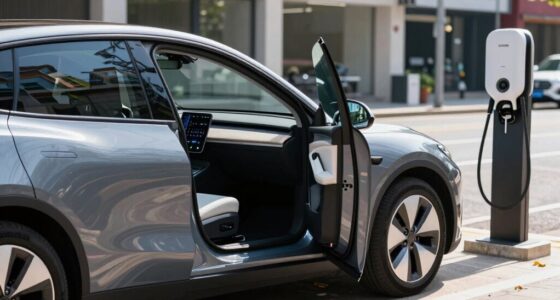
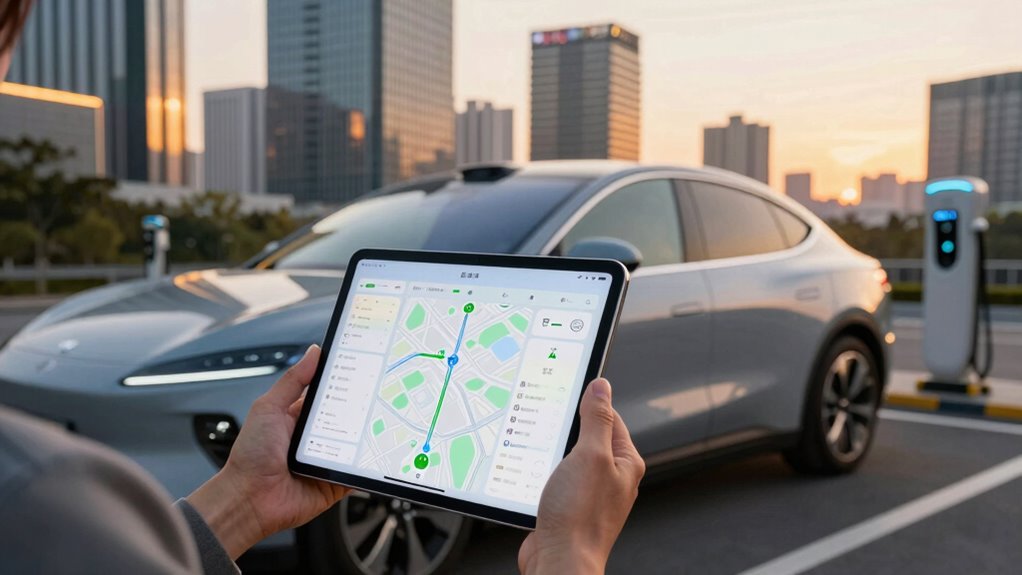
Planning high-ticket electric vehicle (EV) products requires a strategic approach that balances innovation with market demand. When investing in premium EVs, you need to consider not just the vehicle’s features but also the infrastructure supporting its use. Charging infrastructure is essential — without accessible, reliable charging stations, even the most advanced EV can become inconvenient. You should evaluate the availability of charging stations in your area and along your typical routes. Fast chargers are a plus, reducing downtime and making long trips feasible. If the charging network isn’t well-developed, your investment could fall short of its potential, leaving you frustrated and questioning the value of the high-ticket purchase. This makes planning around charging infrastructure vital before you buy.
Assess charging infrastructure and plan ahead to ensure your premium EV remains convenient and reliable for long-term use.
Another key factor is battery longevity. High-ticket EVs often boast impressive performance and cutting-edge technology, but their batteries can wear out over time. You need to understand how long the battery is expected to last and what kind of warranty coverage comes with it. A longer-lasting battery not only extends the vehicle’s overall lifespan but also preserves its resale value. Many premium EVs now incorporate advanced battery management systems to optimize longevity, but these features vary between models. When evaluating your options, look into the manufacturer’s data on battery degradation and maintenance requirements. A vehicle with a shorter battery lifespan might incur higher replacement costs, diminishing the overall value of your investment. Additionally, understanding battery management systems can help you better maintain your EV’s performance over time. Furthermore, considering the availability of service centers and ongoing maintenance can influence the total ownership cost and convenience. Being aware of battery replacement costs is also essential, as they can significantly impact your long-term expenses. Additionally, reviewing the charging speed capabilities of your selected vehicle is crucial for practical daily use and long-distance travel. Ensuring that the vehicle’s charging options match your typical driving habits and charging habits can further optimize your ownership experience.
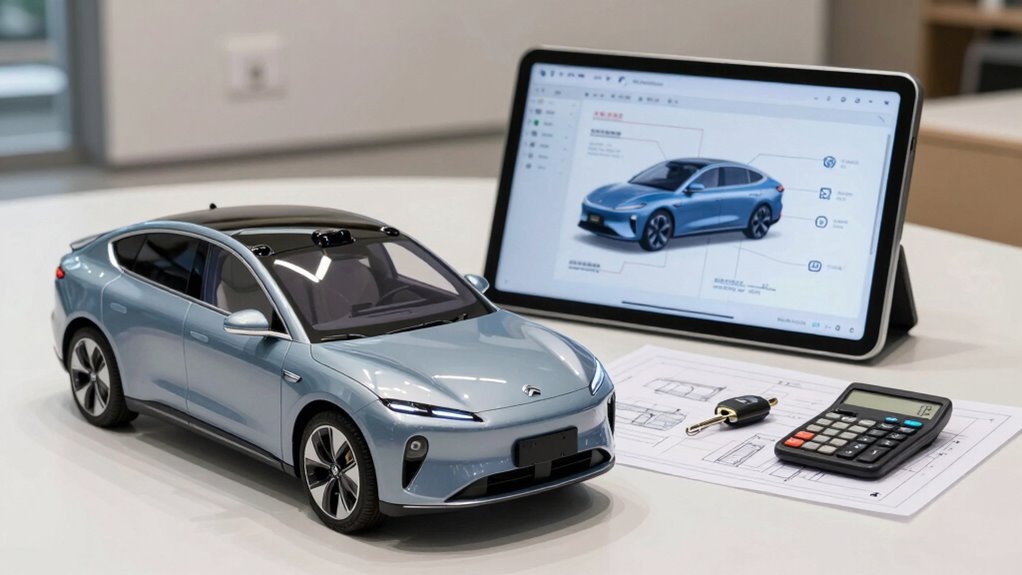
You also have to think about the long-term implications of your purchase. High-ticket EVs might come with significant upfront costs, but if their charging infrastructure isn’t widespread or their batteries don’t last, those costs could escalate quickly. Planning ahead means scrutinizing the total cost of ownership, including charging expenses, potential battery replacements, and the availability of service centers. Ensuring that your chosen vehicle aligns with existing charging infrastructure and offers durable, long-lasting batteries will save you money and hassle over the years.
Ultimately, buying a high-ticket EV isn’t just about the initial sticker price. It’s about making a thorough plan that accounts for the charging landscape and the vehicle’s longevity. This approach guarantees that your investment delivers the convenience, reliability, and value you expect, rather than becoming a source of ongoing frustration. When you approach your purchase with careful planning, you’re setting yourself up for a smoother, more satisfying EV experience that truly matches your needs.
High-capacity EV charging station
As an affiliate, we earn on qualifying purchases.
As an affiliate, we earn on qualifying purchases.
Frequently Asked Questions
How Do I Determine the Total Cost of Ownership for a High-Ticket EV?
To determine the total cost of ownership for a high-ticket EV, start by considering battery longevity, which affects replacement costs over time. Factor in insurance, maintenance, and charging expenses. Don’t forget resale value, as it impacts your overall investment return. Research depreciation rates and warranties to get a clearer picture. By doing so, you’ll understand the true long-term costs and make a smarter, more informed purchase.
What Are the Long-Term Maintenance Costs for Luxury EVS?
You’ll find that long-term maintenance costs for luxury EVs mainly involve battery lifespan replacements and insurance premiums. Batteries typically last 8-15 years, but replacing them can be costly, impacting your expenses. Additionally, insurance premiums tend to be higher for luxury EVs due to their value and repair costs. Planning for these expenses helps you prevent surprises and guarantees your investment remains worthwhile over time.
How Does Charging Infrastructure Vary by Location?
Imagine your journey as a river flowing smoothly, but the availability of charging stations varies like tributaries feeding into it. In urban areas, you’ll find a dense network of charging stations, like stars lighting a night sky, while rural regions resemble a quiet, dark forest with fewer options. The power grid‘s capacity also influences charging ease, making some locations more dependable than others. Planning your route guarantees your EV’s flow remains uninterrupted.
Are There Tax Incentives for High-End EV Purchases?
Yes, there are tax benefits and luxury incentives for high-end EV purchases. Many regions offer tax credits or rebates specifically for luxury EVs, helping reduce your overall cost. These incentives vary based on your location and the vehicle’s specifications. Before buying, research local programs to maximize your savings, ensuring you take full advantage of available luxury incentives and tax benefits, making your high-ticket EV investment more affordable and rewarding.
What Warranty Options Are Available for Premium EV Models?
You have several warranty options for premium EV models, typically covering battery lifespan and overall vehicle defects. Most manufacturers offer warranties ranging from 8 to 10 years or up to a certain mileage, ensuring your battery stays protected and performs well. It is crucial to review the warranty coverage details, as some plans include roadside assistance and replacement costs, giving you peace of mind for the long-term investment in your high-ticket EV.
Long-lasting EV battery replacement
As an affiliate, we earn on qualifying purchases.
As an affiliate, we earn on qualifying purchases.
Conclusion
Skipping proper planning before investing in high-ticket EV products is like rushing into a marathon without training—you might get overwhelmed or regret your choice. Take Sarah, who impulsively bought a top-tier EV, only to find it didn’t suit her daily needs. Remember, a little prep goes a long way; just like mapping out a route ensures a smooth journey, thorough planning *assures* your EV investment pays off. Don’t leap without looking—plan wisely for a ride that truly fits your life.
As an affiliate, we earn on qualifying purchases.
Premium electric vehicle accessories
As an affiliate, we earn on qualifying purchases.
As an affiliate, we earn on qualifying purchases.
Fall Picks
fall essentials
As an affiliate, we earn on qualifying purchases.