
To compare home charging options as a renter, consider your daily driving habits and your access to public chargers. Look into portable Level 1 or Level 2 chargers that don’t require permanent installation, and check if your landlord is open to installing a dedicated outlet. Understand the electrical setup needed and any costs involved. If you keep exploring, you’ll discover key factors to help choose the best charging solution for your situation.
Key Takeaways
- Assess your driving habits to determine the required charging speed and frequency.
- Check with your landlord or property manager about installing permanent charging equipment.
- Consider portable chargers as a flexible, non-permanent alternative if upgrades aren’t permitted.
- Evaluate electrical system compatibility and whether upgrades are needed for Level 2 chargers.
- Explore available incentives or public charging options to supplement home charging solutions.
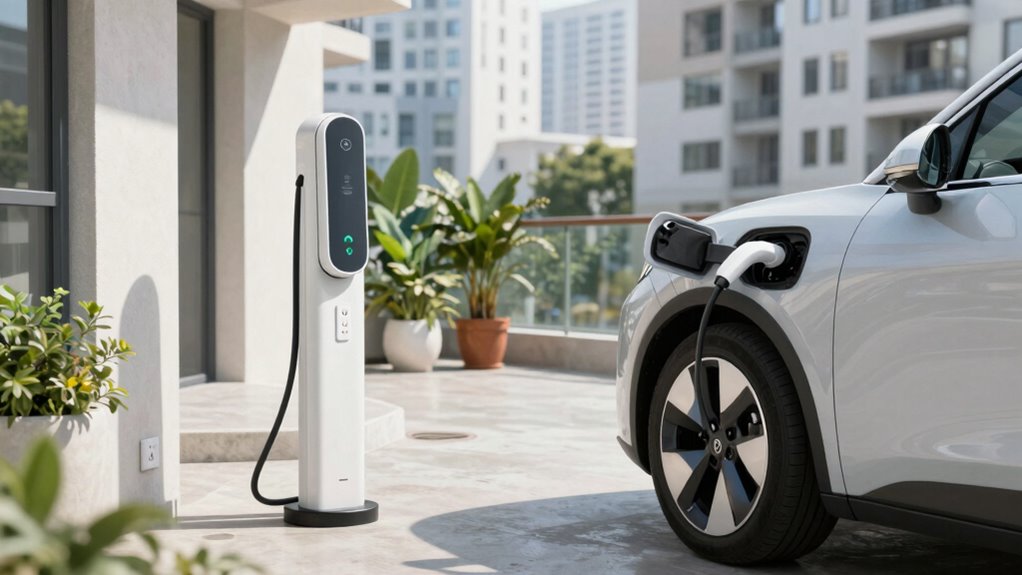
Renting a home doesn’t mean you have to miss out on the convenience of charging your electric vehicle at home. When you’re considering your options, it’s essential to understand the different EV charging station types available. There are mainly three kinds: Level 1, Level 2, and DC fast chargers. Level 1 chargers use a standard household outlet and typically charge slowly, adding about 4-5 miles of range per hour. This might work if you drive infrequently or can leave your car plugged in overnight. Level 2 chargers are faster, providing 10-20 miles of range per hour, and require a dedicated 240-volt outlet. They’re ideal for daily use and are commonly found in homes and public spaces. DC fast chargers are the quickest, but they’re usually installed at commercial locations and are less practical for residential use, especially if you’re renting.
Before choosing a charger, it’s crucial to look into the installation requirements. Most home chargers, especially Level 2 units, need a dedicated circuit and proper electrical wiring. As a renter, you’ll want to check if your current electrical system can support a new outlet or if modifications are necessary. Some landlords may be open to installing a charger, especially if it’s an easy upgrade with minimal disruption, but others might be hesitant. That’s why clear communication with your landlord is vital. You may also need to obtain permission or ensure your lease allows such modifications. In some cases, portable chargers that plug into standard outlets might be a temporary solution, though they charge more slowly and may not be suitable for regular use. It’s also helpful to understand the electric system compatibility with different charger types to avoid potential issues during installation. Additionally, knowing the cost of installation upfront can help you plan your budget accordingly.
Understanding electric vehicle charging infrastructure can further assist you in making an informed decision, especially when considering access to public stations in your area. When comparing your options, consider the feasibility of installation and the specific EV charging station types that suit your driving habits. Portable Level 1 chargers are simple but slow, while Level 2 units offer a good balance between speed and installation complexity. If your landlord isn’t willing to accommodate a permanent setup, look into whether a portable charger meets your needs or if you can use public charging stations conveniently. Additionally, factor in the cost of installation, potential upgrades to your electrical system, and any incentives available in your area for EV charger installation. Ultimately, understanding the different station types and their installation requirements helps you make an informed choice that fits your rental situation, making sure you can enjoy the benefits of home charging without hassle.
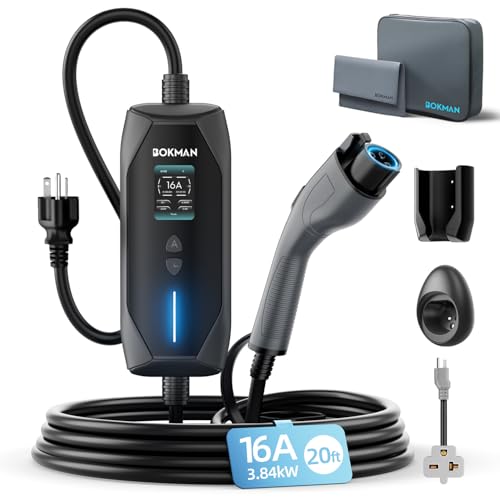
bokman Portable Level 1&2 EV Charger, 16A 20ft, NEMA 6-20P/5-15 Adapter
- Portable Design: 20-foot cable for versatile charging
- Includes NEMA Adapter: NEMA 5-15 adapter for household sockets
- Delay Timer: Schedule charging start from 1-12 hours
As an affiliate, we earn on qualifying purchases.
As an affiliate, we earn on qualifying purchases.
Frequently Asked Questions
Can I Install a Home Charger Without Landlord Approval?
You shouldn’t install a home charger without your landlord’s approval, as doing so could violate your lease agreement. Before proceeding, check if electric vehicle incentives or incentives for installing charging stations apply in your area. When discussing options, consider popular charging station brands like ChargePoint or Tesla. Getting your landlord’s approval guarantees you stay compliant with lease terms and can enjoy the benefits of your EV charging setup legally and safely.
Are There Portable Charging Options Suitable for Renters?
Yes, there are portable chargers suitable for renters. These portable chargers, often called mobile or portable EV chargers, provide flexible, rental-compatible options that don’t require permanent installation. You just plug them into standard outlets, making them ideal for temporary or occasional use. When choosing one, make certain it’s compatible with your vehicle’s charging port and power requirements. Portable chargers offer a convenient, renter-friendly way to charge your EV without needing landlord approval.
What Are the Legal Restrictions on Charging Station Installation?
You need to follow the local electric code and complete the permitting process before installing a charging station. These legal restrictions guarantee safety and compliance with regulations. Check with your city or landlord for specific rules, as some areas require permits or inspections. Ignoring these restrictions can lead to fines or safety hazards. Always prioritize proper approval to avoid legal issues and ensure your charging setup is safe and lawful.
How Do I Ensure Safety When Charging in a Rental?
You prioritize safety when charging your EV in a rental by inspecting electrical wiring for damage or outdated components. You should also verify that your charging equipment has proper safety certifications to prevent hazards. Juxtapose the convenience of charging at home with the importance of thorough safety checks—like ensuring wiring is secure and compliant—so you can confidently charge, knowing your setup minimizes risks and keeps you safe.
Will Installing a Charger Affect My Security Deposit?
Installing a charger can impact your security deposit, but it depends on your landlord’s policies. Some may see it as an installation impact that requires repairs or restoration when you move out, potentially leading to deductions. To avoid surprises, check your lease agreement and discuss with your landlord beforehand. Clear communication guarantees you understand any potential impact on your security deposit and helps you make informed decisions about installing a charger.

ChargePoint HomeFlex Level 2 EV Charger J1772 – NEMA 14-50 Plug
- Reliable Home Charging: Builds dependable EV charging stations for home and business
- Smart Mobile Control: Manage charger remotely via ChargePoint app
- Extensive Charging Network: Access 274,000+ stations across North America and Europe
As an affiliate, we earn on qualifying purchases.
As an affiliate, we earn on qualifying purchases.
Conclusion
When exploring home charging options as a renter, remember that finding the right setup is like fitting a puzzle piece—you want it to be seamless and secure. Weigh the costs, installation ease, and compatibility with your vehicle. Don’t hesitate to ask your landlord or property manager for permission or assistance. With a little research and communication, you’ll be able to plug in with confidence, turning your rental into a charging oasis that suits your needs perfectly.

SUSUTOO J1772 to Nema 5-15, EV Station Charging Adapter, EV Adapter Plug, J1772 to NEMA 5-15 Plug for Many Devices that Can Accept 100~240V
- Compatibility: Supports 240-volt chargers for EVs
- Wide Application: Compatible with phones, laptops, and more
- Easy to Use: Connects to charging station for socket conversion
As an affiliate, we earn on qualifying purchases.
As an affiliate, we earn on qualifying purchases.
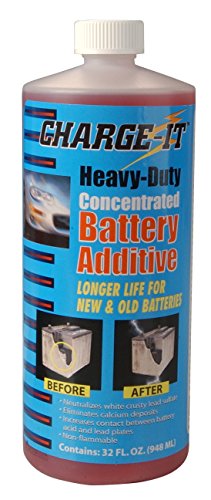
Charge It CH-77QHD Heavy-Duty Concentrated Battery Additive, 32 fl. oz.
- Extends Battery Lifespan: For new and old batteries
- Temperature Resistance: Reduces freezing, raises boiling point
- All-Season Performance: Ensures instant starts year-round
As an affiliate, we earn on qualifying purchases.
As an affiliate, we earn on qualifying purchases.