
TL;DR

Get backup power and energy gear delivered free — and shop member deals
- Fast, free delivery on millions of items
- Access to Prime Big Deal Days deals on October 6–7
- Prime Video, Amazon Music and more included
A recent trend reveals that many people over 30 are intentionally holding onto certain possessions and habits. This shift in attitude is gaining attention, though the reasons behind it remain largely speculative.
Recent online discussions and search trends show a growing interest in the idea that many individuals over 30 are intentionally holding onto certain possessions and habits, despite societal expectations to declutter or simplify as they age. This shift appears to reflect changing priorities and lifestyle choices, though the specific reasons behind it are still unconfirmed.
The trend emerged through social media posts, blog articles, and search data indicating that people are citing five main items or habits they refuse to part with after turning 30. These include sentimental keepsakes, certain clothing items, personal gadgets, long-term investments, and habits like maintaining a particular social circle or routine.
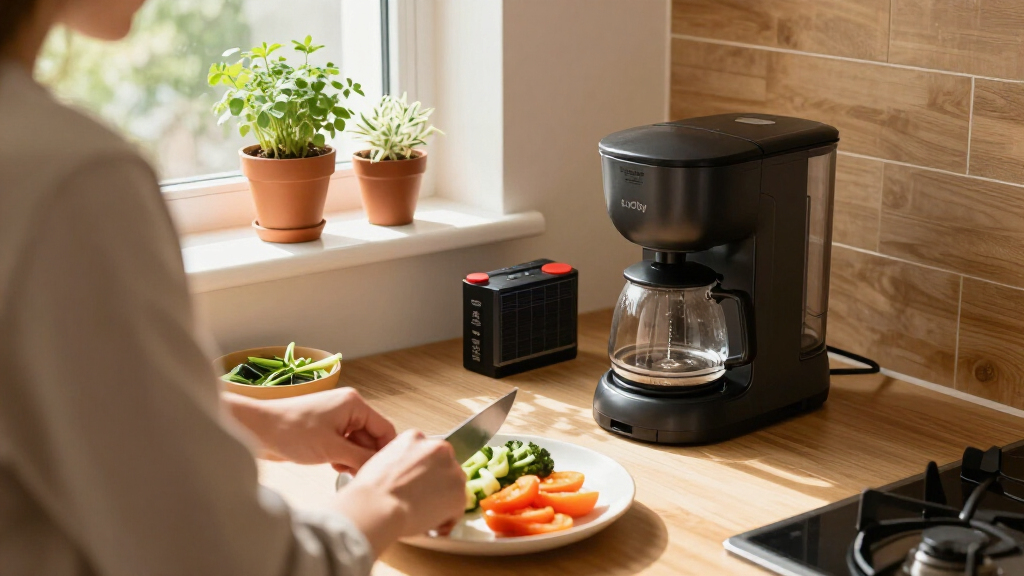
Experts suggest that this trend may be linked to a broader cultural shift towards valuing personal history, comfort, and authenticity over minimalism or societal expectations of adulting. However, the exact motivations remain speculative, as the trend is primarily observed through anecdotal online content rather than formal research. For example, you might consider upgrading your kitchen organization to better suit your lifestyle.
Some commentators argue that this phenomenon is part of a larger movement towards self-acceptance and a rejection of societal pressures to conform to a specific adult identity. Others see it as a reflection of economic factors, such as the difficulty of replacing or upgrading possessions or a desire to preserve memories amid uncertain times.
Implications of Clinging to Personal Items After 30
This trend highlights a potential shift in how adults over 30 perceive material possessions and personal identity. By choosing to retain certain items, individuals may be prioritizing emotional well-being, nostalgia, or practicality over societal ideals of minimalism or renewal. It could influence future consumer behavior, storage trends, and even mental health approaches that emphasize personal history and comfort.
Understanding this shift is important for retailers, marketers, and mental health professionals, as it suggests a reevaluation of what constitutes value and attachment in adulthood. It also signals a broader cultural conversation about aging, memory, and authenticity.
As an affiliate, we earn on qualifying purchases.
Rise of Personal Retention Trends in Adult Life
The idea that people over 30 are choosing to keep certain possessions or habits is not entirely new, but recent spikes in online interest suggest a renewed focus on this behavior. Historically, societal narratives have emphasized decluttering and simplifying as markers of maturity. However, recent social media narratives and search patterns indicate a counter-movement emphasizing preservation of personal history and comfort.
This trend appears to be fueled by a combination of factors, including economic uncertainty, increased awareness of mental health, and a cultural shift towards authenticity. The specific items people are reluctant to part with vary but often include sentimental objects, clothing, or routines that provide a sense of stability or identity.
While the trend is still emerging, it aligns with broader societal discussions about aging, self-acceptance, and the meaning of material possessions in a digital age. The exact origins and future trajectory of this behavior remain uncertain, as it is primarily observed through anecdotal online content rather than formal studies.
comfortable and versatile clothing for adults over 30
As an affiliate, we earn on qualifying purchases.
As an affiliate, we earn on qualifying purchases.
Unconfirmed Motivations Behind the Trend
While the trend is gaining attention, it is still unclear whether this behavior is widespread or primarily a social media phenomenon. The specific reasons why individuals choose to keep certain items after 30 are largely speculative, based on anecdotal reports rather than comprehensive research. It is also unknown if this trend will persist or fade as societal attitudes evolve.
personal gadgets and tech accessories
As an affiliate, we earn on qualifying purchases.
As an affiliate, we earn on qualifying purchases.
Monitoring Future Shifts in Adult Material Values
Researchers and market analysts are expected to observe whether this trend continues to grow or influences broader consumer behaviors. Future studies may explore the psychological and cultural factors driving this retention tendency. Additionally, brands and mental health advocates might adapt their messaging to align with these evolving values, emphasizing authenticity and personal history.
long-term investment jewelry or watches
As an affiliate, we earn on qualifying purchases.
As an affiliate, we earn on qualifying purchases.
Key Questions
Are these items truly essential to people over 30?
Many individuals cite sentimental value, practicality, or emotional comfort as reasons for keeping these items, though the importance varies by person.
Is this trend linked to a rejection of minimalism?
It may be, as some see it as a counter-movement emphasizing personal history and authenticity over decluttering.
Will this trend influence consumer markets?
Potentially, as marketers may focus on promoting products with sentimental or nostalgic value targeting adults over 30.
Is there any scientific research supporting this behavior?
Currently, the trend is primarily observed through social media and search patterns, with limited formal research available.
Source: rss
Fall Picks
fall essentials
As an affiliate, we earn on qualifying purchases.