To build a seasonal EV maintenance checklist, start by focusing on temperature-related factors like inspecting tires for pressure drops and ensuring the battery is preconditioned for cold weather. Check your charging cables, system performance, and climate controls to keep safety and efficiency high. Regularly review your vehicle’s manual for specific seasonal tips and inspect safety features. Following these steps helps you prepare for extreme conditions and keep your EV running smoothly all year. If you keep exploring, you’ll find even more helpful tips.

Get backup power and energy gear delivered free with Prime
- Fast, free delivery on millions of items
- Prime Video, Amazon Music and more included
- Member-only deals all year
Key Takeaways
- Identify and include temperature-specific checks for battery health, tire pressure, and charging system performance.
- Incorporate safety inspections of windshield wipers, defrosters, and climate control systems suitable for seasonal conditions.
- Schedule regular inspections of charging cables, connectors, and power sources for wear and damage.
- Add emergency kit checks and vehicle safety features to ensure preparedness for extreme weather.
- Review manufacturer guidelines for seasonal maintenance tips tailored to your EV model and climate.

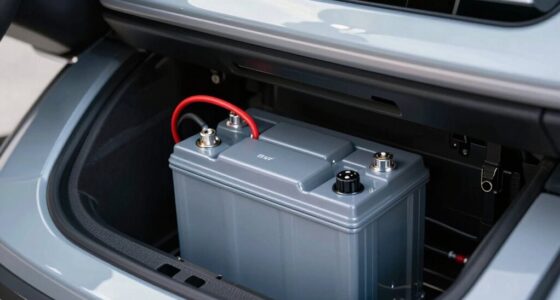
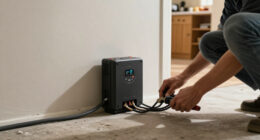
Ever wonder if your electric vehicle (EV) is ready for changing seasons? Preparing your EV for seasonal shifts isn’t just about enjoying smooth rides; it’s about safety, efficiency, and longevity. Building a maintenance checklist tailored to each season ensures your EV stays in top shape. Start by focusing on charging safety. As temperatures fluctuate, charging becomes more critical. Cold weather can decrease battery efficiency and increase charging times, so it’s essential to inspect your charging equipment regularly. Check your charging cables and connectors for any signs of wear or damage. Faulty cables can lead to unsafe charging conditions or complete charging failures. Always use certified chargers and avoid cheap alternatives that might compromise safety. When charging in colder months, consider preconditioning your battery if your vehicle offers this feature. It warms the battery, improving charging speed and protecting its health. Additionally, power quality and monitoring systems can help ensure your charger and vehicle are functioning optimally during extreme temperatures. Proper solar system design can also support your EV charging needs by providing reliable energy sources even in winter.
Tire pressure checks should be at the forefront of your seasonal maintenance. Cold air causes tire pressure to drop, which can reduce range and compromise safety. Before the season shifts, get into the habit of checking your tire pressure with a reliable gauge. Inflate your tires to the manufacturer’s recommended PSI, usually found on the sticker inside the driver’s door. Properly inflated tires improve handling, reduce uneven wear, and maximize your EV’s range. Don’t forget to inspect your tires for signs of uneven wear or damage, especially if you’ve been steering salted or icy roads. If you notice any issues, replacing or repairing your tires promptly keeps you safe and saves you money in the long run.
Other seasonal checks include inspecting your windshield wipers and washer fluid. Winter demands stronger wipers and more fluid to clear snow and ice efficiently. Also, verify your vehicle’s heating system and defrosters to ensure visibility and comfort. Battery health is another vital aspect; cold weather can strain your EV’s battery, so monitor its state of health and keep an eye on any warning indicators. Regularly review your owner’s manual for specific seasonal maintenance tips. Lastly, consider keeping a portable emergency kit in your vehicle, especially during harsher seasons, to handle unexpected issues.
As an affiliate, we earn on qualifying purchases.
Frequently Asked Questions
How Often Should I Perform Seasonal EV Maintenance?
You should perform seasonal EV maintenance at least twice a year, ideally in spring and fall. During these checks, focus on battery calibration to guarantee peak performance and safety. Also, regularly inspect and adjust tire pressure to improve efficiency and safety. By staying proactive, you prevent potential issues, extend your vehicle’s lifespan, and enjoy a smooth, reliable ride year-round.
Are There Specific Tools Required for Seasonal EV Checks?
You don’t need fancy tools for seasonal EV checks, but a few basics can make the process smoother. Keep a tire pressure gauge handy to guarantee ideal safety and efficiency, especially with changing temperatures. A portable charging station or access to reliable charging stations helps verify the battery’s health. Basic tools like screwdrivers and a multimeter can assist in inspecting connectors and electrical systems, keeping your EV in top shape year-round.
Can I Do Seasonal Maintenance Myself or Need a Professional?
You can perform DIY inspections for some seasonal EV maintenance if you’re comfortable with basic tasks and have the right tools. However, for complex issues like battery health checks or electrical system diagnostics, professional servicing is recommended. Regularly inspecting tires, brakes, and fluid levels can be done yourself, but annual professional tune-ups ensure your EV stays in top condition and keeps safety as a priority.
How Weather Conditions Affect EV Battery Performance?
Weather conditions act like a silent guardian or a lurking threat to your EV battery. Cold weather hampers battery cooling, reducing efficiency, while heat accelerates wear. Moisture prevention becomes essential, especially in rainy or snowy seasons, to prevent corrosion and damage. You must stay vigilant—protect your battery from extreme temperatures and moisture, ensuring consistent performance and longevity. Proper seasonal care keeps your EV resilient through every season’s challenges.
What Are Common Signs My EV Needs Seasonal Maintenance?
You’ll notice signs your EV needs seasonal maintenance, like decreased battery performance or longer charging times. Check your battery inspection to spot any issues early, and guarantee your tire pressure is ideal for the season. If your tires look worn or aren’t holding pressure well, it’s time for a tune-up. Staying attentive to these signs helps prevent bigger problems and keeps your EV running smoothly year-round.
As an affiliate, we earn on qualifying purchases.
Conclusion
By following this seasonal EV maintenance checklist, you’re already ahead of potential issues. But remember, each season brings new challenges—and surprises. Don’t let complacency be your downfall. Stay vigilant, keep your EV in top shape, and you might just uncover something unexpected lurking beneath the surface. After all, the road ahead isn’t just about reaching your destination; it’s about what you discover along the way. Are you truly prepared for what’s next?
cold weather EV battery preconditioning
As an affiliate, we earn on qualifying purchases.
As an affiliate, we earn on qualifying purchases.
As an affiliate, we earn on qualifying purchases.
Halloween Picks
halloween
As an affiliate, we earn on qualifying purchases.