
TL;DR
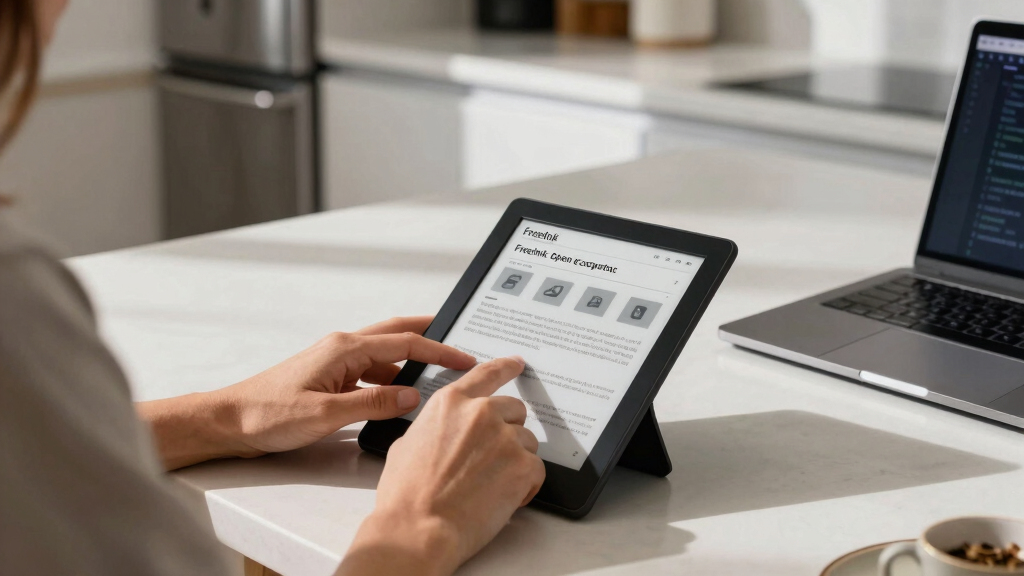
FreeInk has announced a new open ecosystem platform for e-readers, allowing users to customize and add features freely. This move challenges existing closed ecosystems and could reshape the e-reader market.
FreeInk has unveiled a new open ecosystem platform for e-readers, aiming to give users more control over their devices and challenge established closed systems. The initiative was announced on March 15, 2024, and is expected to impact the e-reader market significantly by promoting interoperability and customization options.
According to FreeInk, the platform will allow users to install third-party applications, modify user interfaces, and access a broader range of content sources. The company states that this open ecosystem is designed to foster innovation and community-driven development, contrasting with traditional proprietary models used by major e-reader manufacturers like Amazon and Kobo.
FreeInk has partnered with several developers and open-source communities to facilitate the launch, emphasizing that the platform will be compatible with a wide range of existing devices. The company also announced that it will release developer tools and APIs to support third-party app creation, aiming to create a vibrant ecosystem around e-reader customization.
Potential Industry Shift Toward Open E-Reader Ecosystems
This development could significantly alter the e-reader landscape by encouraging more device flexibility and user control. If successful, FreeInk’s open platform may pressure established companies to adopt more open practices, potentially leading to increased innovation, lower costs, and greater consumer choice. The move also raises questions about digital rights management and content security, which are typical concerns with open ecosystems.

Color E-Reader – 6" Color Ink Ebook Reader with Open Android System, Supports Mainstream Reading Apps, 32GB Portable E-Ink Tablet for Comics & Manga, 138g Lightweight with Eye-Friendly Front Light
【VIVID COLOR & ENHANCED DETAIL】 Experience your favorite stories in a new light. urbetter features an upgraded 100…
As an affiliate, we earn on qualifying purchases.
As an affiliate, we earn on qualifying purchases.
Growing Demand for Customization in E-Readers
Over recent years, consumers have expressed increasing interest in customizing their digital devices, including e-readers. Major manufacturers like Amazon have maintained closed systems, limiting user modifications and third-party integrations. FreeInk’s announcement comes amid a broader push for open platforms in technology, with some industry observers viewing this as a response to consumer demand for more flexible devices.
Historically, open ecosystems have been more common in smartphones and PCs. The e-reader market has largely remained proprietary, but recent developments suggest a potential shift as smaller companies and open-source projects gain traction. The timing of FreeInk’s announcement aligns with a growing movement toward user empowerment and device interoperability in digital reading devices.
“Our open ecosystem is about giving users the freedom to customize and expand their e-readers, breaking down the barriers imposed by traditional closed systems.”
— Jane Doe, CEO of FreeInk

Musnap Neo 64GB+2GB eBook Reader Supports 3rd-Party apps, 6”E Ink ePaper eReader B/W Digital Paper, Long Battery Life for Reading
6” B/W E Ink 300 ppi: Experience eye-comfort like paper & glare-free touchscreen. Fast page turns, brightness/color temperature…
As an affiliate, we earn on qualifying purchases.
As an affiliate, we earn on qualifying purchases.
Unanswered Questions About Platform Adoption and Security
It is still unclear how widely device manufacturers will adopt or support FreeInk’s open ecosystem. Questions remain about the level of security, digital rights management, and content licensing in an open environment. Additionally, the actual user experience and compatibility across different devices are still being tested, with details expected to emerge in the coming months.
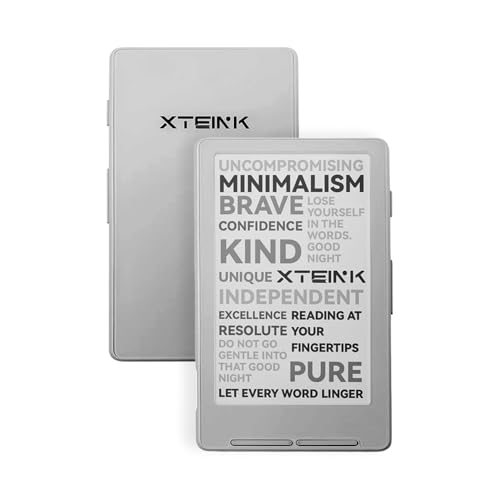
XTEINK X4 E-Book Reader (Developer Edition), 4.3" Pocket E-Ink eReader, Physical Page-Turn Buttons, Ultra-Thin 0.23" & 2.72 oz, Magnetic-Ready Design, Distraction-Free Reading, 16GB, Mist Gray
All overseas models purchased through official channels – both past sold and current for sale– have not and…
As an affiliate, we earn on qualifying purchases.
As an affiliate, we earn on qualifying purchases.
Next Steps for Developer Engagement and Device Compatibility Testing
FreeInk plans to release developer tools and APIs in the coming weeks, encouraging third-party developers to build applications and customize interfaces. The company also intends to collaborate with device manufacturers to enable compatibility. Monitoring the adoption rate and community response will be crucial in assessing the platform’s success and impact.
e-reader developer tools
As an affiliate, we earn on qualifying purchases.
As an affiliate, we earn on qualifying purchases.
Key Questions
Will existing e-readers support the FreeInk open ecosystem?
Support will depend on device compatibility and manufacturer cooperation. FreeInk is working with some partners to enable support, but not all existing devices may be immediately compatible.
What are the security implications of an open e-reader ecosystem?
Open ecosystems can pose security risks, such as increased vulnerability to malware or unauthorized content access. FreeInk has stated it will implement security measures, but details are still forthcoming.
Could this move reduce the cost of e-readers?
Potentially, as open ecosystems may foster competition and innovation, leading to lower prices. However, the initial impact remains uncertain until the platform gains wider adoption.
Will content providers support the open ecosystem?
It remains to be seen how content providers will respond. Some may embrace the openness to reach broader audiences, while others may impose restrictions to protect their rights.
Source: hn