
Installing a Level 3 fast charger at home isn’t straightforward. It requires a dedicated, high-capacity electrical connection, significant upgrades to your wiring or electrical panel, and compliance with safety standards. You’ll also need permits and professional help from a licensed electrician. It can be costly and may not be practical for many homes. To understand the safety, costs, and options involved, explore the full details below.
Key Takeaways
- Installing a Level 3 (DC fast) charger at home requires significant electrical system upgrades and careful assessment of capacity.
- It involves high costs for equipment, installation, and possible electrical panel or wiring modifications.
- Compatibility with your EV and local regulations or permits is essential before proceeding with installation.
- Home-based Level 3 charging can accelerate battery wear if not managed properly, so proper charging routines are important.
- Alternative options like Level 2 chargers may offer faster installation and sufficient charging speed for daily needs.
Understanding Level 3 Charging Technology
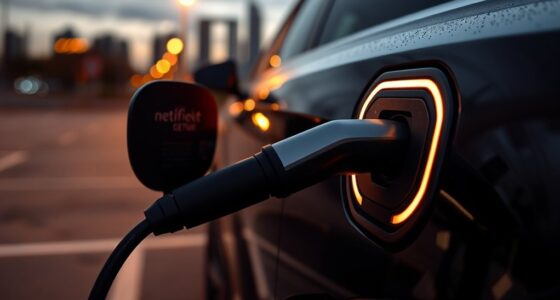
Level 3 charging technology, also known as DC fast charging, allows you to recharge your electric vehicle much more quickly than standard Level 1 or Level 2 chargers. This rapid charging capability relies heavily on advanced battery technology, which can handle high power levels without damage. The design of the charging station is essential, as it must safely deliver high voltage and current while maintaining efficiency. These stations are built with robust cooling systems and safety features to manage heat and prevent electrical issues. Understanding how battery technology and charging station design work together helps you appreciate the speed and safety of Level 3 chargers. Additionally, European cloud innovation has contributed to the development of smarter, more reliable charging infrastructure. This innovation has led to improved communication between chargers and vehicles, enhancing charging speed and safety. Furthermore, advancements in thermal management are critical for maintaining optimal operation during rapid charging sessions. While typically found at public stations, integrating similar technology at home requires careful planning and professional installation. Developing smart grid integration can also optimize energy use and enhance overall charging efficiency in residential settings.
Differences Between Level 1, Level 2, and Level 3 Chargers
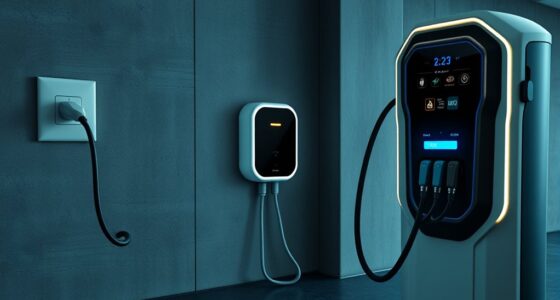
Charging your electric vehicle involves choosing the right type of charger for your needs, and understanding the differences between Level 1, Level 2, and Level 3 chargers is key. Level 1 chargers use standard household outlets, offering slow charging suitable for overnight use but may impact EV battery longevity if used excessively. Level 2 chargers provide faster charging through dedicated stations, ideal for daily use. Level 3 chargers, or DC fast chargers, deliver rapid charging but can generate more heat, potentially affecting battery health over time. Consider charging station branding and compatibility with your EV when selecting a charger type. Additionally, choosing the appropriate charging station can help optimize your EV’s battery lifespan and charging efficiency. The contrast ratio of a charging station’s power output can influence the speed and efficiency of charging sessions. Here’s a quick comparison:
| Feature | Level 1 | Level 2 | Level 3 |
|---|---|---|---|
| Power Output | 1.4 kW | 7-22 kW | 50+ kW |
| Charging Speed | Slow | Moderate | Rapid |
| Installation | Standard outlet | Dedicated station | Commercial setup |
| Battery Impact | Gentle | Balanced | Potential heat stress |
The Feasibility of Home Installation for Fast Charging

Before installing a fast charger at home, you need to check if your electrical system can handle the increased capacity. Installation costs and the process can vary depending on your existing setup and required upgrades. Understanding these factors helps you determine if fast charging at home is practical for you. Additionally, assessing your electrical capacity ensures your home’s wiring can safely support the charger without risking damage or safety hazards. Consulting with a licensed electrician can also provide insights into appropriate wiring upgrades needed for safe installation.
Electrical Capacity Requirements
Understanding your home’s electrical capacity is vital when considering the installation of a fast charger. Your existing power supply must support the additional load without overloading circuits. Fast chargers require high power levels, which often means upgrading your electrical system to handle increased circuit capacity. Check your main breaker and existing wiring to determine if they can support the extra demand. If your current setup is insufficient, you might need to install a dedicated circuit or upgrade your main electrical panel. Confirming your home’s electrical system can handle the power supply needed for fast charging is essential to avoid safety issues and ensure reliable operation. Consulting a licensed electrician can help you evaluate your circuit capacity and determine what’s feasible for your home.
Installation Costs and Process
Installing a fast charger at home involves evaluating both the costs and the steps required to make it happen. The initial expense includes purchasing the charging station, which can range from a few thousand dollars depending on the model. You’ll also need to contemplate installation costs, which may involve upgrading your electrical system or adding a dedicated circuit. The installation process typically requires hiring a licensed electrician to assess your home’s electrical capacity, install the necessary wiring, and set up the charging station safely. Keep in mind that costs vary based on your home’s existing infrastructure and local labor rates. While the upfront investment can be significant, having a dedicated fast charger at home offers the convenience of rapid charging without frequent visits to public stations. Ensuring your home’s electrical system is properly configured is essential for safe and reliable operation of the fast charger. Additionally, understanding the electrical capacity of your home is crucial to determine whether your current system can support the installation or if upgrades are necessary.
Electrical Requirements and Safety Considerations

Making certain your home’s electrical system can handle a fast charger is crucial for safety and performance. You need to verify that your electrical wiring meets the charger’s power requirements and is in good condition to prevent hazards. Proper wiring safeguards battery safety by reducing the risk of overheating or electrical faults. A dedicated circuit is typically necessary to handle the high current load without overloading existing circuits. It’s essential to consult a licensed electrician to assess your electrical panel capacity, confirm wiring specifications, and guarantee all connections meet safety standards. Skipping these steps could lead to electrical fires or damage to your vehicle’s battery. Additionally, ensuring that your wiring materials and gauge are appropriate helps prevent potential electrical risks and ensures reliable, efficient charging at home. Properly electrical wiring assessment can identify potential issues before installation, saving you time and money. Conducting a thorough home electrical inspection is vital to confirm your system’s capacity and safety measures are adequate before installation. Being aware of your electrical system capacity enables you to plan effectively and avoid overloads. Prioritizing proper electrical requirements prevents safety risks and ensures reliable, efficient charging at home. Ensuring the integrity of electrical connections is also important for maintaining long-term safety and performance.
Cost Implications of Installing a Level 3 Charger at Home
Adding a Level 3 charger to your home can considerably boost charging speed, but it also comes with substantial costs. You’ll need to evaluate factors like equipment prices, installation fees, and potential electrical upgrades. These cost considerations can greatly impact your budget planning, so it’s important to assess whether the investment aligns with your needs. Here’s a quick overview: You should also consider the technology requirements for safe and efficient operation in your home. Proper electrical infrastructure is essential to support the high power demands of Level 3 chargers and ensure safety.
Regulations, Permits, and Building Codes

Before you start installing a fast charger at home, understanding the regulations, permits, and building codes that may apply is vital. Local zoning restrictions might limit where you can install the charger, especially if you live in a historic district or a neighborhood with specific guidelines. Check if your homeowner’s association has rules about external electrical work or visible upgrades. You may need permits from your city or county to guarantee the installation complies with safety standards and building codes. Failing to obtain the proper approvals could result in fines or having to undo work later. Consulting with licensed electricians and local authorities helps you navigate these requirements smoothly, avoiding delays and legal issues.
Available Options for High-Speed Home Charging Solutions
When selecting a high-speed home charging solution, you have several options designed to meet different needs and budgets. Level 3 chargers, or fast chargers, are increasingly compatible with advanced battery technology, allowing for quicker charging times. These chargers connect to the existing charging infrastructure in your home, often requiring a dedicated circuit and professional installation. While Level 2 chargers are more common and easier to set up, some high-speed options utilize specialized infrastructure to deliver rapid charging, reducing your charging time substantially. Keep in mind that not all EVs can handle the highest charging speeds, so checking your vehicle’s specifications is essential. Overall, these options provide faster charging, but they also demand careful planning around your home’s electrical capacity and future-proofing your investment. Understanding charging speeds is crucial to choosing the right system for your needs. Additionally, considering the compatibility with your vehicle’s charging port and capabilities can help prevent unnecessary upgrades or issues. Knowing the electrical requirements of high-speed chargers can further ensure a smooth installation process and reliable performance.
Practicality and Benefits of Fast Charging at Home
Fast charging at home offers significant convenience, allowing you to top up your EV quickly and efficiently, often overnight or during work hours. This setup simplifies your charging schedule, reducing the need for frequent visits to public stations. By using a fast charger, you can guarantee your battery stays ready for daily use without long wait times. However, it’s essential to take into account battery longevity; frequent high-speed charging can accelerate battery degradation if not managed properly. With a well-planned charging routine, you can balance fast charging benefits with preserving your battery’s health. Additionally, understanding charging station terminology can help you choose the right equipment and optimize your charging routine. Incorporating battery management practices can further prolong your battery’s lifespan and ensure optimal performance. Being aware of charging speeds can help you set realistic expectations and prevent unnecessary strain on your battery. Overall, having a fast charger at home provides flexibility, saves time, and enhances your EV ownership experience, making it a practical choice for those seeking quick, reliable charging solutions.
Alternative Strategies to Maximize Charging Efficiency
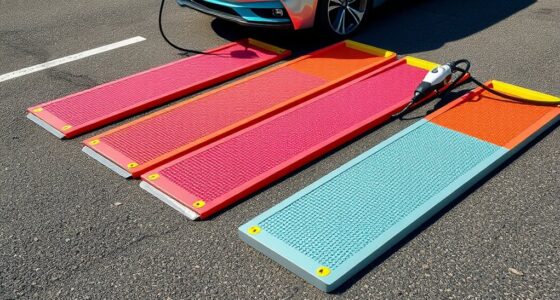
To maximize your charging efficiency at home, adopting smart charging habits can make a significant difference. Consider integrating wireless charging for compatible devices, which reduces cable clutter and ensures quick, convenient top-ups. Using portable chargers during trips or power outages can keep your vehicle ready without relying solely on your home setup. Additionally, schedule charging sessions during off-peak hours to benefit from lower electricity rates and less strain on your system.
To further enhance efficiency, think about:
- Prioritizing wireless charging for daily use
- Keeping portable chargers charged and ready for emergencies
- Monitoring your home’s energy consumption to avoid overloads
These strategies help you get the most out of your charging system, saving time and reducing costs.
Frequently Asked Questions
How Long Does a Typical Level 3 Home Charging Installation Take?
A typical level 3 home charging installation usually takes about one to two days, but the exact timeline depends on your home’s electrical setup and permitting process. The installation timeline can be longer if you need upgrades or special permits. You’ll want to factor in time for the permitting process, which varies by location, to make certain everything is approved before installation begins. Overall, plan for a few days from start to finish.
Are There Any Brands or Models Recommended for Home Level 3 Chargers?
You might worry about compatibility or cost, but trusted brands like ChargePoint and Electrify America are top choices for home Level 3 chargers. Their models, such as ChargePoint Express or Electrify America Fast Chargers, offer reliable performance and safety features. When comparing models, consider charging speed, installation requirements, and customer reviews to find the best fit. These brands are well-regarded for quality and support, making your decision easier.
Can Existing Home Electrical Panels Support Level 3 Charger Installation?
Your existing electrical panel may not support a Level 3 charger due to limited electrical capacity. You need to check if it can handle the high power demands safely, considering safety considerations like proper wiring and circuit breakers. If your panel lacks enough capacity, upgrading it guarantees safe installation. Consult a licensed electrician to evaluate your electrical system and confirm whether your home can support a Level 3 charger safely.
What Is the Typical Lifespan of a Level 3 Charging Station?
You might find it surprising, but a Level 3 charger typically lasts around 10 to 15 years. Its durability depends on usage and maintenance, which can influence replacement costs. Regular inspections help prevent issues and extend its lifespan. While it’s built for heavy-duty use, expect some wear over time, and budget for occasional repairs or upgrades to keep your fast charging station reliable and efficient.
How Does Installing a Level 3 Charger Affect Home Insurance Policies?
Installing a Level 3 charger can impact your insurance implications, as insurers may see it as an added risk. You might need policy adjustments, such as updated coverage to account for potential fire or electrical hazards. It’s wise to inform your insurer about the installation to make sure you’re adequately protected. Doing so helps prevent surprises if a claim arises and ensures your policy covers any damages related to the charger.
Conclusion
While installing a Level 3 fast charger at home might sound like revealing the secrets to EV mastery, it’s often impractical and costly. Most homeowners find Level 2 chargers perfectly capable for daily needs, offering speed without the chaos of massive electrical upgrades. Think of Level 3 charging as the lightning bolt of the EV world—powerful but better suited for public stations. Save yourself the headache and explore smarter, more feasible home charging options instead.