
TL;DR

Get backup power and energy gear delivered free with Prime
- Fast, free delivery on millions of items
- Prime Video, Amazon Music and more included
- Member-only deals all year
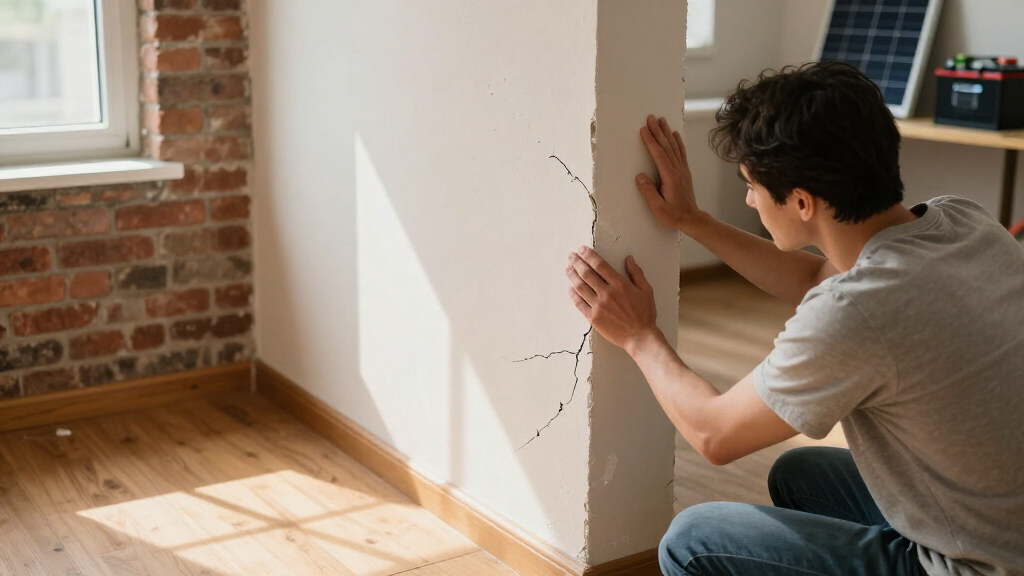
Several homes in London are developing cracks caused by shrinking clay soil beneath their foundations. Experts warn this could threaten structural integrity. The situation highlights the impact of soil conditions on urban housing safety.
Multiple homes across London are experiencing significant cracking, attributed to the shrinkage of clay soil beneath their foundations, according to recent reports. This phenomenon raises concerns about the safety and stability of residential buildings in the city, especially those constructed on clay-rich ground. Experts warn that continued soil shrinkage could lead to further structural issues, prompting urgent assessments and potential remedial work.
London’s geology is characterized by extensive clay deposits, which are known to expand and contract with moisture changes. Recent dry weather conditions have caused the clay beneath many homes to shrink, resulting in visible cracks on walls, ceilings, and foundations. Local authorities and geotechnical specialists have documented an increase in complaints from homeowners about structural damage. While some cracks are superficial, others threaten the integrity of entire buildings, raising alarms about potential safety hazards.
According to geotechnical engineer Dr. Emily Carter, ‘The shrinkage of clay soil causes differential movement in foundations, which can lead to cracking and, in severe cases, structural failure.’ Several affected homeowners have reported cracks appearing over the last six months, coinciding with a period of unusually dry weather and low groundwater levels. Building regulations in London typically require foundations to be designed with local soil conditions in mind, but experts say that some older constructions may be more vulnerable due to inadequate initial assessments or lack of recent reinforcement.
Local councils are now conducting investigations to determine the extent of the problem and whether additional safety measures are needed. Some property owners are already considering costly repairs, including underpinning and foundation reinforcement. The issue has also sparked discussions about the need for more stringent building codes that account for soil variability and climate change impacts.
Implications for London’s Housing Stability
This situation underscores the importance of understanding local soil conditions when constructing and maintaining homes in London. As climate patterns shift, soil shrinkage and swelling could become more frequent, increasing the risk of structural damage. The potential for widespread cracking threatens not only individual property values but also overall housing safety and urban resilience. Authorities and homeowners must consider proactive measures, including soil monitoring and foundation reinforcement, to prevent future damage.
As an affiliate, we earn on qualifying purchases.
London’s Soil and Building Practices Under Scrutiny
London’s geology is predominantly composed of clay soils, which are highly susceptible to moisture fluctuations. Historically, many buildings were constructed on shallow foundations without extensive geotechnical assessments, especially in older neighborhoods. Recent periods of drought and reduced groundwater levels have exacerbated soil shrinkage, revealing vulnerabilities in existing structures. While modern building codes require soil assessments, some older constructions may not meet current standards, making them more prone to damage.
In recent years, climate change has led to more frequent dry spells, increasing the risk of soil shrinkage. This has prompted experts to call for updated building regulations and more comprehensive soil testing before construction. The London Borough of Camden, for example, has already initiated a review of existing homes in high-risk areas, emphasizing the need for ongoing soil monitoring and reinforcement strategies.
“The shrinkage of clay soil causes differential movement in foundations, which can lead to cracking and, in severe cases, structural failure.”
— Dr. Emily Carter, Geotechnical Engineer
As an affiliate, we earn on qualifying purchases.
Extent and Long-Term Impact of Soil Shrinkage
It is still unclear how widespread the damage will become across London and whether current building standards are sufficient to mitigate future risks. The long-term effects of ongoing soil shrinkage, especially under changing climate conditions, remain uncertain. Further studies are needed to assess the full scope of the problem and to develop effective preventative measures.
As an affiliate, we earn on qualifying purchases.
Monitoring, Assessments, and Preventive Measures
Authorities and experts are expected to conduct detailed soil and structural assessments in affected neighborhoods over the coming months. There may be increased inspections of existing buildings, especially older constructions, and potential updates to building regulations to better account for soil variability. Homeowners are advised to seek professional evaluations of their properties and consider reinforcement options if cracks are present. Long-term, the focus will likely shift toward proactive soil management and climate adaptation strategies to prevent further damage.
As an affiliate, we earn on qualifying purchases.
Key Questions
What causes the cracking in London homes?
The cracking is primarily caused by the shrinkage of clay soil beneath the foundations, which leads to differential movement and structural stress.
Are all homes in London at risk?
Not all homes are equally vulnerable; older buildings on shallow foundations or in areas with high clay content are more susceptible. Ongoing assessments are needed to determine specific risks.
What can homeowners do if they notice cracks?
Homeowners should consult qualified structural engineers or geotechnical experts to evaluate the damage and discuss possible reinforcement or repair options.
Will this issue worsen with climate change?
Potentially, yes. Increased periods of drought and low groundwater levels could intensify soil shrinkage, raising the likelihood of further structural issues.
Are there regulations to prevent this problem?
Modern building codes include soil assessments, but some older homes may not meet current standards. Authorities are considering stricter regulations and monitoring protocols.
Source: local
Halloween Picks
halloween
As an affiliate, we earn on qualifying purchases.