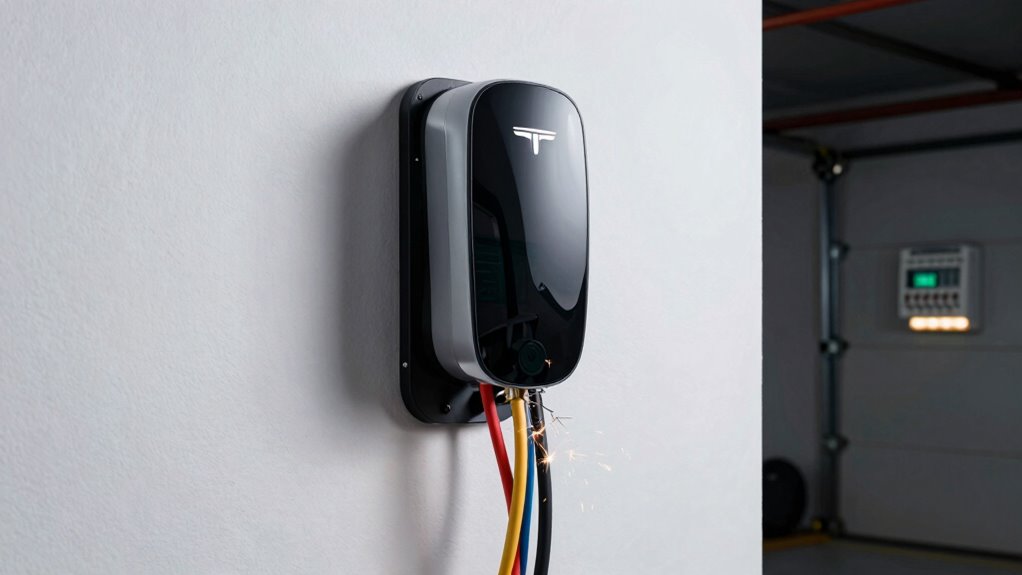
If your EV charger trips the breaker repeatedly, it signals a serious electrical problem that can cause safety hazards like fires or damage to your vehicle and charger. Continued trips often mean overloads, faulty wiring, or internal issues, risking further damage or dangerous faults if ignored. You should address this promptly by inspecting the circuit and seeking professional help. Keep exploring to understand the causes and how to protect your setup from future problems.
Key Takeaways
- Repeated breaker tripping indicates persistent electrical faults that can lead to fire hazards or system damage.
- Continuous trips may cause wear or damage to the circuit breaker, reducing its effectiveness.
- Ignoring repeated trips risks wiring deterioration, increasing the chance of electrical fires or component failure.
- Persistent tripping can damage the EV charger or vehicle’s electrical system if unresolved.
- Addressing the issue promptly prevents costly repairs and ensures safe, reliable charging.
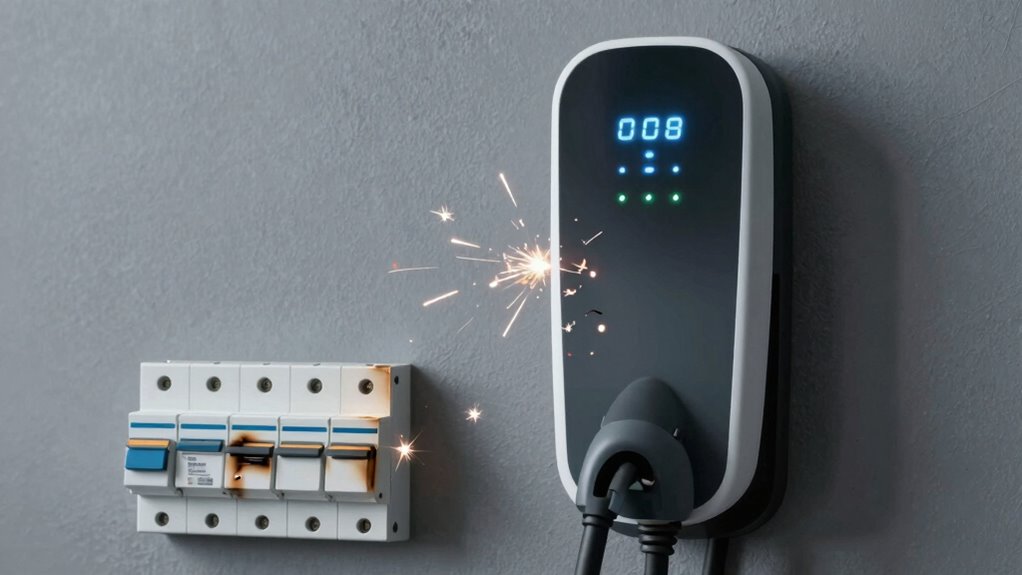
If your EV charger keeps tripping the breaker, it’s a sign that something isn’t right with your electrical setup or the charger itself. This repeated issue can be concerning, as it indicates a potential safety hazard or a problem that needs immediate attention. When the breaker trips consistently, it’s often a sign that your electrical safety is at risk, and ignoring it could lead to more serious problems, including electrical fires or damage to your vehicle’s charging system. The first step is to understand that circuit troubleshooting is essential in these situations. You need to identify whether the problem stems from your charger, the circuit, or the electrical wiring.
In many cases, a breaker trips because it’s protecting your home’s wiring from overloads or short circuits. If your EV charger draws more current than the circuit can handle, the breaker will trip to prevent overheating or damage. This often happens if you have multiple high-power devices running simultaneously on the same circuit. It’s also possible that the charger itself is faulty or has internal wiring issues, which can cause electrical faults. In such cases, circuit troubleshooting involves checking the circuit’s capacity, inspecting the wiring for damage, and testing the breaker for proper function.
Repeated tripping can also be a symptom of loose connections or corrosion at the breaker, which can interfere with proper electrical flow. You should turn off the power, carefully inspect the breaker, and tighten any loose connections. If you’re unsure or uncomfortable working with electrical components, it’s best to consult a qualified electrician. They can perform a thorough inspection, test the circuit for faults, and ensure everything is up to code. This step is crucial for maintaining electrical safety and avoiding potential hazards.
Inspect and tighten breaker connections or consult an electrician for safety and proper troubleshooting.
Ignoring the issue or repeatedly resetting the breaker without troubleshooting can lead to more severe problems. Over time, continuous overloads or faults may cause your wiring to degrade or even spark a fire. Proper circuit troubleshooting helps you pinpoint the root cause and implement the necessary repairs or upgrades. If your EV charger trips the breaker frequently, it’s not something to dismiss. Addressing the issue promptly safeguards your home, ensures your vehicle charges safely, and prevents costly electrical repairs down the line. Remember, your safety and the integrity of your electrical system should always come first.
In addition, understanding the importance of color accuracy in your electrical components can help ensure that all parts are functioning correctly and safely.

Siemens Q240 40-Amp Double Pole Type QP Circuit Breaker, Black
Double pole, 40 Amp, 240V type QP Circuit Breaker
As an affiliate, we earn on qualifying purchases.
As an affiliate, we earn on qualifying purchases.
Frequently Asked Questions
Can Frequent Breaker Trips Damage My EV or Charger?
Frequent breaker trips can potentially harm your EV or charger if they indicate electrical issues. Repeated trips might cause stress on the battery, affecting its performance over time, or damage the charger’s internal components. It’s crucial to address electrical compatibility problems and confirm your system can handle your EV’s power needs. Ignoring these issues risks long-term damage, so consider consulting an electrician to fix the root cause and protect your vehicle’s battery and charging equipment.
How Do I Reset a Tripped Breaker Safely?
Think of resetting a breaker like calming a restless horse; you need patience and caution. First, verify there’s no ground fault or circuit overload causing the trip. Turn off the EV charger, then locate your breaker box. Press the breaker firmly to the OFF position, wait a few seconds, then switch it back to ON. If it trips again, consult an electrician, as there may be deeper electrical issues.
Is It Safe to Keep Using the Same Outlet?
It’s not safe to keep using the same outlet if your EV charger trips the breaker repeatedly. You risk damaging your electrical wiring and creating fire hazards. To guarantee safe charging, schedule regular charging station maintenance and an electrical wiring inspection. These steps help identify underlying issues, prevent future trips, and keep your electrical system secure. Avoid ignoring repeated breaker trips to protect your home and vehicle.
Should I Replace My EV Charger if It Trips Often?
Yes, you should replace your charging station if it trips often. Frequent breaker trips indicate potential issues like a power surge or faulty wiring, which can damage your EV or pose safety hazards. Continuing to use a problematic charger risks electrical fires or further damage. It’s best to have a professional inspect your setup and replace the charger if needed, ensuring safe, reliable charging and preventing future breaker trips.
What Are the Signs of a Faulty Breaker?
Did you know that nearly 30% of electrical fires are caused by faulty breakers? If your breaker trips frequently, signs of a faulty breaker include frequent tripping, burning smells, or scorch marks. For breaker maintenance and electrical safety, it’s vital to address these issues promptly. Ignoring them can lead to overheating or fire hazards. Always have a qualified electrician inspect your breaker to guarantee your system’s safety and proper function.

VDIAGTOOL V210 Wire Tracer Electrical Automotive Open & Short Finder Circuit Tester Circuit Breaker Finder Fault Probe Wire Tester Electrical DC 6-42V
【OPEN&SHORT CIRCUIT FINDER&TRCING WIRE】VDIAGTOOL V210 automotive open & short finder circuit tester powered by 2pcs 9V batteries performs…
As an affiliate, we earn on qualifying purchases.
As an affiliate, we earn on qualifying purchases.
Conclusion
When your EV charger keeps tripping the breaker, it’s like a warning sign from a fragile bridge trembling beneath your feet. Ignoring it risks a collapse that could sever your connection to progress and freedom. Pay attention to these sparks of caution — they’re your home’s way of telling you to pause, assess, and restore balance. Only then can you confidently move forward, ensuring your journey remains smooth and safe, like a steady road ahead.
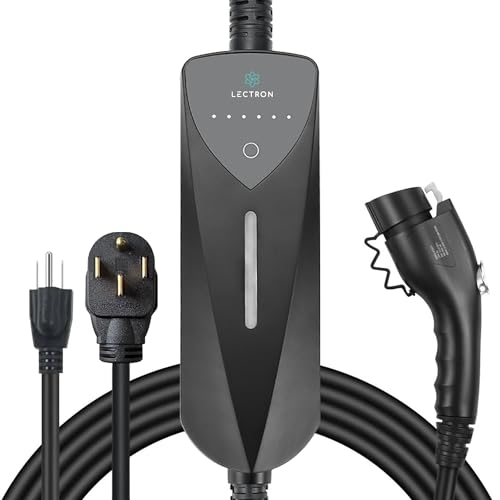
Lectron Level 1/2 (8A – 40A) J1772 Portable EV Charger – Dual-Level Electric Vehicle Charging Station with NEMA 14-50/5-15 Plug – Compatible with All J1772 EVs
DUAL-LEVEL CHARGING – This portable charging station comes with NEMA 5-15 and 14-50 plugs for dual-level charging. Easily…
As an affiliate, we earn on qualifying purchases.
As an affiliate, we earn on qualifying purchases.
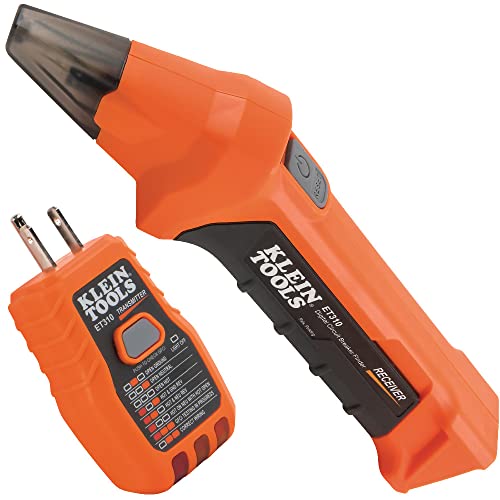
Klein Tools ET310 AC Circuit Breaker Finder, Electric and Voltage Tester with Integrated GFCI Outlet Tester
ACCURATE CIRCUIT BREAKER IDENTIFICATION: Quickly locate the correct breaker with precision using our circuit breaker finder, ensuring efficient…
As an affiliate, we earn on qualifying purchases.
As an affiliate, we earn on qualifying purchases.