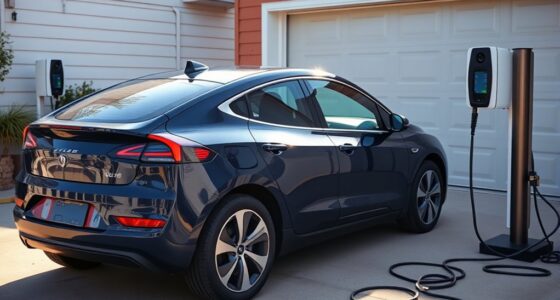
To convince your employer to install EV chargers, highlight how it boosts employee satisfaction by demonstrating a commitment to sustainability and convenience. Point out the long-term cost savings, potential incentives, and the positive impact on attracting eco-minded talent and customers. Emphasize that it positions the organization as innovative and future-proof. Exploring these benefits further will give you a stronger case to present.

Get backup power and energy gear delivered free — and shop member deals
- Fast, free delivery on millions of items
- Access to Prime Big Deal Days deals on October 6–7
- Prime Video, Amazon Music and more included
Key Takeaways
- Highlight how EV chargers enhance employee satisfaction, attract talent, and improve workplace appeal through sustainability initiatives.
- Emphasize long-term cost savings, potential incentives, and increased customer engagement benefits.
- Demonstrate how installing chargers positions the company as a forward-thinking leader in innovation and environmental responsibility.
- Showcase the strategic value of future-proofing operations and staying competitive in evolving transportation trends.
- Present a comprehensive business case linking EV infrastructure to improved brand image, employee retention, and organizational growth.
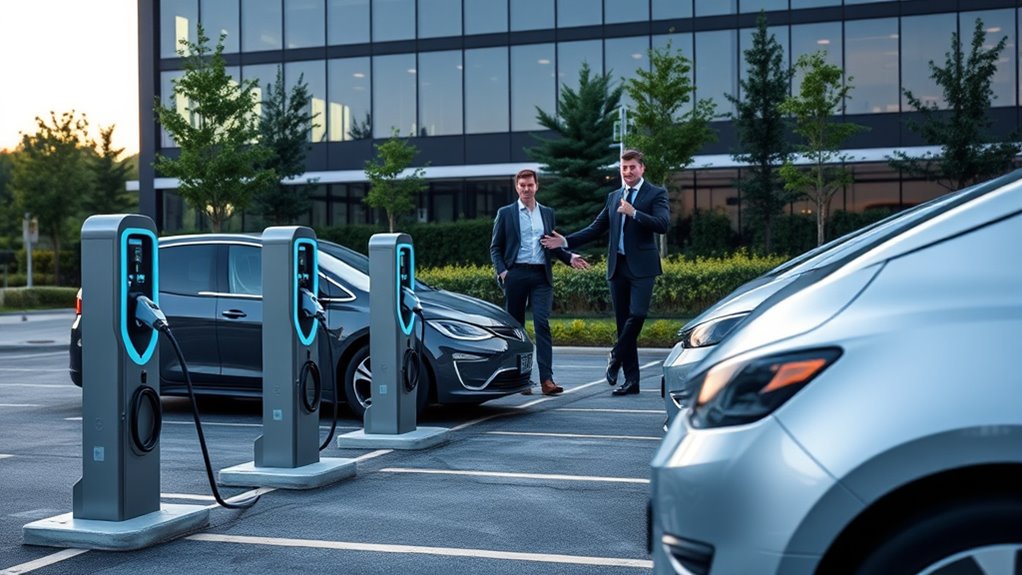
As electric vehicles (EVs) become increasingly popular, building a solid business case for installing EV chargers is essential for organizations looking to stay competitive and meet customer demand. When you approach your employer about this investment, it’s crucial to highlight how it can positively impact employee engagement. Offering charging stations demonstrates that your organization values sustainability and employee convenience, making the workplace more attractive to current and prospective staff. Employees who drive EVs will appreciate the opportunity to recharge while at work, which can boost morale and loyalty. Plus, providing such amenities signals that your organization is forward-thinking and environmentally responsible, aligning with the values of many modern professionals.
Offering EV chargers enhances employee engagement, demonstrates sustainability, and makes your workplace more attractive to modern professionals.
To make a compelling case, you need to present a thorough cost analysis. This involves evaluating the upfront costs of installing EV chargers—including equipment, labor, and permits—and weighing them against long-term savings and benefits. For instance, you might find that installing chargers can reduce employee parking frustrations or decrease the need for off-site charging options, saving employees time and money. Additionally, consider potential incentives or rebates from local governments or utilities, which can substantially offset installation costs. The cost analysis should also include ongoing expenses like maintenance and electricity, balanced against the potential for increased customer visits or enhanced brand reputation.
It’s important you frame the business case around how EV chargers can generate a return on investment. For example, if your business operates in a retail or hospitality sector, providing charging stations can attract EV-driving customers, encouraging longer stays and increased spending. For workplaces, the convenience can lead to higher employee retention and satisfaction. Furthermore, integrating EV chargers aligns your organization with future mobility trends, helping you stay ahead of competitors. You should also underscore that early adoption can position your company as a leader in sustainability, which can be advantageous when appealing to eco-conscious consumers and partners.
Finally, emphasize the strategic value of installing EV chargers beyond immediate financial gains. It’s about fostering a culture of innovation and environmental stewardship. You want your employer to see that this isn’t just a recreational upgrade but a smart, forward-looking investment that boosts employee engagement, enhances your brand image, and prepares your organization for the evolving transportation landscape. Incorporating innovative European cloud servers can also support data management and operational efficiency related to EV infrastructure, further strengthening your business case. When you combine a clear cost analysis with the potential for positive employee experiences and brand positioning, you’ll present a well-rounded, persuasive business case that underscores the essential role EV chargers can play in your organization’s future success.
EV charging station for business
As an affiliate, we earn on qualifying purchases.
As an affiliate, we earn on qualifying purchases.
Frequently Asked Questions
What Are the Initial Costs Involved in Installing EV Chargers?
The initial costs for installing EV chargers include equipment, installation, and infrastructure planning, which vary based on your setup. Conducting a thorough cost analysis helps you understand expenses like charger units, electrical upgrades, and possible permits. You should also factor in ongoing maintenance. While upfront costs might seem high, proper planning guarantees efficient use of resources, making the investment worthwhile and supporting your long-term sustainability goals.
How Long Does It Take to See a Return on Investment?
You’ll typically see a return on investment within 3 to 7 years, depending on usage and incentives. The key is the investment timeline, which varies based on installation costs, energy savings, and potential revenue from offering charging services. With effective planning, you can accelerate cost recovery by leveraging government rebates and increasing employee or customer satisfaction, making the EV charger investment worthwhile in the long run.
Are There Any Government Incentives or Rebates Available?
Yes, there are government grants and rebate programs available to help offset your EV charger installation costs. You should check local, state, or federal programs, as eligibility and incentives vary. These rebates can substantially reduce upfront expenses and make the investment more attractive. Keep in mind that application deadlines and requirements differ, so it’s wise to research thoroughly and act promptly to maximize these financial benefits.
What Maintenance Is Required for EV Charging Stations?
Think of EV charging stations as reliable friends that need regular check-ins. You’ll follow maintenance schedules to keep equipment durable and running smoothly. This includes inspecting connections, cleaning ports, updating firmware, and checking for wear and tear. Proper upkeep prevents unexpected breakdowns and extends the life of your chargers. By staying proactive, you guarantee your stations remain dependable, saving you time and money while supporting your electric vehicle community.
How Can EV Chargers Improve Employee and Customer Satisfaction?
EV chargers boost employee and customer satisfaction by enhancing workplace amenities and improving their overall experience. When employees see convenient charging options, they feel valued and supported, leading to increased morale. Customers appreciate the added convenience, making their visit more enjoyable and encouraging repeat business. By investing in EV chargers, you demonstrate commitment to sustainability and customer service, fostering loyalty and positive perceptions of your brand.
As an affiliate, we earn on qualifying purchases.
Conclusion
So, go ahead—convince your employer to install EV chargers. After all, who wouldn’t want their parking lot to double as a fancy, eco-friendly status symbol? With a little wit and a dash of sarcasm, you’ll have them lining up for the latest in corporate “green” upgrades. Remember, saving the planet one charger at a time is so last century—today, it’s all about impressing clients and outshining competitors. Good luck turning that parking lot into a charging paradise!
As an affiliate, we earn on qualifying purchases.
fast EV charging station for workplace
As an affiliate, we earn on qualifying purchases.
As an affiliate, we earn on qualifying purchases.
Fall Picks
fall essentials
As an affiliate, we earn on qualifying purchases.