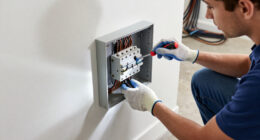
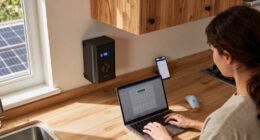
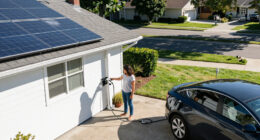
Home battery backup systems provide vital power during outages, helping you keep essential devices running and protecting your home. The best models balance capacity, portability, and cost, but tradeoffs often include size, installation complexity, and price. The Jackery HomePower 3600 Plus stands out as the overall top choice for its balance of capacity and usability. For those seeking maximum power, the EF ECOFLOW DELTA Pro Ultra offers extensive capacity but comes with a higher price tag. Continue reading for a detailed breakdown of these options and what to consider when choosing your home backup system.

Get backup power and energy gear delivered free with Prime
- Fast, free delivery on millions of items
- Prime Video, Amazon Music and more included
- Member-only deals all year
Complete the kit


Key Takeaways
- Capacity varies significantly, from portable units suitable for emergency use to large systems capable of powering an entire home.
- Portability and ease of installation are key factors for users who want quick setup or temporary backup solutions.
- Higher-capacity systems often come with elevated costs and larger footprints, requiring careful space planning.
- Compatibility with solar panels can extend backup capacity and reduce reliance on grid power, but not all units support solar charging.
- Balance between initial investment and long-term savings is crucial; cheaper units may lack durability or capacity needed for prolonged outages.
| Jackery Explorer 2000 v2 Portable Power Station, 2042Wh, 2200W |  | Best Overall Home Battery Backup for Versatility and Power | Battery capacity: 2042Wh | Battery type: LiFePO4 | AC output: 2200W | VIEW LATEST PRICE | See Our Full Breakdown |
| EF ECOFLOW DELTA 3 Portable Power Station, 1024Wh, 1800W |  | Best for Expandability and Quick Charging | Capacity: 1024Wh | AC output: 1800W | Surge capacity: 3600W | VIEW LATEST PRICE | See Our Full Breakdown |
| EF ECOFLOW DELTA 3 Classic Portable Power Station, 1024Wh, 1800W |  | Best for Fast, Reliable Home Backup with Smart Features | Capacity: 1024Wh | Output wattage: 1800W | Surge capacity: 3600W | VIEW LATEST PRICE | See Our Full Breakdown |
| ECO-WORTHY Powermega 48V 314Ah LiFePO4 Battery, UL1973 16.1 kWh Energy |  | Best for Whole-Home Backup and Scalability | Voltage: 48 V (51.2 V nominal) | Capacity (Ah): 314 Ah | Energy Capacity: 16.07 kWh | VIEW LATEST PRICE | See Our Full Breakdown |
| Jackery Explorer 5000 Plus Portable Power Station, 5040Wh, 7200W |  | Best for Large-Scale, Long-Lasting Backup | Battery capacity: 5040Wh | Surge output: 7200W | Voltage: 120V and 240V | VIEW LATEST PRICE | See Our Full Breakdown |
| ECO-WORTHY Powermega 48V 314Ah LiFePO4 Battery, 2-Pack |  | Best for High-Capacity Off-Grid and Long-Term Home Backup | Chemistry: LiFePO4 | Nominal voltage: 51.2V | Capacity: 314Ah | VIEW LATEST PRICE | See Our Full Breakdown |
| Anker SOLIX S2000 Portable Power Station, 2,010Wh, 1,500W |  | Best for Portable Backup and Emergency Power on the Go | Battery capacity: 2,010Wh | Battery type: LiFePO4 | Continuous output: 1,500W | VIEW LATEST PRICE | See Our Full Breakdown |
| Jackery HomePower 3000 Portable Power Station with 2 SolarSaga 200W Panels |  | Best for High-Capacity Portable Power with Solar Support | Battery capacity: 3,072Wh | Battery chemistry: LiFePO4 | Battery cycle life: 4,000 cycles to 70% | VIEW LATEST PRICE | See Our Full Breakdown |
| EF ECOFLOW DELTA Pro Ultra Power Station with Extra Battery |  | Best for Large-Scale, Expandable Home Backup with Fast Power Transfer | Power output: 7,200W | Maximum AC output: 21.6kW | Battery capacity: 6,144Wh per battery | VIEW LATEST PRICE | See Our Full Breakdown |
| Jackery HomePower 3600 Plus Portable Power Station, 3584Wh, 3600W |  | Best for Large Portable Backup with Extended Lifespan | Battery capacity: 3584Wh | Output wattage: 3600W | Parallel output: 7200W | VIEW LATEST PRICE | See Our Full Breakdown |
| Jackery HomePower 3600 Plus Portable Power Station with Two 200W Solar Panels, 3584Wh |  | Best for High-Capacity, Modular Backup in a Portable Package | Battery capacity: 3584Wh | AC output: 3600W | Parallel output: 7200W | VIEW LATEST PRICE | See Our Full Breakdown |
| home battery backup system | Weight | Dimensions | Battery capacity |
|---|---|---|---|
| Jackery Explorer 2000 v2 Porta | 39.5 lb | 13.2 x 10.4 x 11.5 in | 2042Wh |
| EF ECOFLOW DELTA 3 Portable Po | 12.5kg | 15.7 × 8 × 11.2 in | — |
| EF ECOFLOW DELTA 3 Classic Por | 26.7 pounds | 7.9 x 11.1 x 15.7 inches | — |
| ECO-WORTHY Powermega 48V 314Ah | — | — | — |
| Jackery Explorer 5000 Plus Por | 134.5 pounds | 14.1 x 14.7 x 18.6 in | 5040Wh |
| ECO-WORTHY Powermega 48V 314Ah | — | — | — |
| Anker SOLIX S2000 Portable Pow | 35.7 lbs | 8.19 × 11.1 × 12.7 in | 2,010Wh |
| Jackery HomePower 3000 Portabl | 59.5 lbs | 16 × 13 × 20 inches | 3,072Wh |
| EF ECOFLOW DELTA Pro Ultra Pow | 293.6 lbs | 27.2 × 18.9 × 8.4 in | 6,144Wh per battery |
| Jackery HomePower 3600 Plus Po | 77.2 lbs | 15.2 x 12.2 x 19.3 inches | 3584Wh |
| Jackery HomePower 3600 Plus Po | 77.2 pounds | 19.3 × 15.2 × 12.2 inches | 3584Wh |
More Details on Our Top Picks
Jackery Explorer 2000 v2 Portable Power Station, 2042Wh, 2200W
This model stands out for its substantial 2042Wh capacity and 2200W AC output, making it well-suited for home backup, especially when compared to the smaller EF ECOFLOW DELTA 3. Its LiFePO4 battery ensures a decade of reliable use, and fast AC and solar charging options mean you’re rarely waiting long for recharging. The silent operation at less than 30dB and 20ms UPS switching make it ideal for emergency scenarios without disturbing household noise. However, at 39.5 pounds, portability is limited—this isn’t a choice for frequent moving. It’s perfect for homeowners seeking a robust, reliable backup that balances power and longevity, but less so for those needing lightweight, portable solutions.
Pros:- Large 2042Wh capacity supports prolonged outages
- Fast AC and solar charging capabilities
- LiFePO4 battery rated for up to 10 years of use
- Quiet operation and seamless 20ms UPS switching
Cons:- Relatively heavy at 39.5 pounds, less portable
- Solar panels are optional and not included, adding extra cost
Best for: Homeowners wanting a high-capacity, durable backup with fast charging and silent operation
Not ideal for: People needing a lightweight, portable system for frequent outdoor use or mobility
- Battery capacity:2042Wh
- Battery type:LiFePO4
- AC output:2200W
- AC outlets:3
- USB-C PD output:100W
- Weight:39.5 lb
- Dimensions:13.2 x 10.4 x 11.5 in
- AC charging:0–80% in 66 min
- UPS switching time:20ms
Our verdict“This power station suits homeowners prioritizing capacity, longevity, and reliable backup with minimal noise, despite the weight drawback.”
EF ECOFLOW DELTA 3 Portable Power Station, 1024Wh, 1800W
The EF ECOFLOW DELTA 3 offers a balanced mix of power and expandability, with a 1024Wh LiFePO4 battery and 1800W AC output, making it suitable for users who want to power multiple devices simultaneously, as opposed to the Jackery Explorer 2000‘s higher capacity. Its rapid 56-minute full charge, whether via AC or solar, supports busy lifestyles, and the ability to expand up to 5kWh with additional batteries adds scalability for future needs. Its IP65 rating provides some water and dust resistance, ideal for outdoor use. The main tradeoff is its weight—12.5kg—making it less portable for frequent transport. This makes it a smart choice for those who value quick recharge and expandability over raw capacity.
Pros:- Fast full recharge in just 56 minutes
- Expandable up to 5kWh with additional batteries
- Supports powering up to 13 devices simultaneously
- IP65 protection for outdoor durability
Cons:- Expansion requires separate batteries, which are not included
- Heavy at 12.5kg, less suited for frequent carrying
Best for: Campers or small business owners needing quick, expandable power with fast recharge times
Not ideal for: Homeowners seeking maximum backup capacity or lightweight portability
- Capacity:1024Wh
- AC output:1800W
- Surge capacity:3600W
- Battery cycle life:4,000 cycles to 80%
- Max expandable capacity:5kWh
- Number of outlets:13
- Weight:12.5kg
- Dimensions:15.7 × 8 × 11.2 in
Our verdict“Ideal for users who want quick charging, scalability, and outdoor durability over maximum capacity or ultra-lightweight design.”
EF ECOFLOW DELTA 3 Classic Portable Power Station, 1024Wh, 1800W
The EF ECOFLOW DELTA 3 Classic emphasizes rapid recharge and smart home integration, with 1800W output and a 3600W surge capacity, making it well-suited for home backup needs. Its LiFePO4 cells promise over a decade of reliable use, and under-10ms UPS switching ensures your devices stay powered during outages—comparable to the Jackery Explorer 2000, but with more advanced smart features via app control. While it’s not compatible with DELTA 2 or 3 series batteries, its app-enabled monitoring adds convenience for tech-savvy users. The main tradeoff is its weight—26.7 pounds—and the fact that solar charging is optional, not included. This model targets users who want fast, reliable backup with integrated control features.
Pros:- Fast AC recharge in about 45 minutes
- Under-10ms UPS switching for critical devices
- Supports app-based monitoring and control
- Over 10 years of battery life with LiFePO4
Cons:- Not compatible with batteries from Delta 2 or Delta 3 series
- Relatively heavy at 26.7 pounds
Best for: Homeowners or RV travelers prioritizing quick, reliable backup with smart monitoring
Not ideal for: Users needing maximum capacity or portability for frequent outdoor trips
- Capacity:1024Wh
- Output wattage:1800W
- Surge capacity:3600W
- UPS switching time:Under 10ms
- Battery type:LiFePO4
- Weight:26.7 pounds
- Dimensions:7.9 x 11.1 x 15.7 inches
- Warranty:5 years
Our verdict“This unit suits users seeking fast, smart, and reliable backup for home or RV use, with some weight considerations.”
ECO-WORTHY Powermega 48V 314Ah LiFePO4 Battery, UL1973 16.1 kWh Energy
The ECO-WORTHY Powermega stands out for its massive 16.07 kWh capacity, ideal for whole-home backup, especially when compared with portable solutions like the Jackery Explorer 5000 Plus. Its UL1973 certification and 10-year warranty reinforce safety and durability, while the active 200 A BMS and fire suppression modules provide peace of mind during extended outages. Its ability to connect up to 15 parallel units makes it highly scalable for larger homes or off-grid setups, but this also means significant size and weight—requiring professional installation. It’s best suited for users planning long-term energy independence and willing to invest in a fixed, scalable system, rather than portable, on-the-go power needs.
Pros:- Extremely high energy capacity (16.07 kWh)
- UL1973 safety certification and 10-year warranty
- Supports up to 15 units in parallel for scalability
- Active 200 A BMS with fire-suppression modules
Cons:- Large and heavy, requiring professional installation
- Expansion costs increase significantly with multiple units
Best for: Off-grid homeowners or large households seeking scalable, reliable whole-home backup
Not ideal for: People needing portable or lightweight backup options for frequent mobility
- Voltage:48 V (51.2 V nominal)
- Capacity (Ah):314 Ah
- Energy Capacity:16.07 kWh
- Number of Batteries:1
- BMS Current:200 A
- Fire Protection:Aerosol fire-suppression modules
- Monitoring:HD touchscreen, Wi‑Fi, Bluetooth
- Warranty:10 years
Our verdict“This system is designed for users seeking a scalable, long-term whole-home backup solution, accepting the size and installation complexity involved.”
Jackery Explorer 5000 Plus Portable Power Station, 5040Wh, 7200W
The Jackery Explorer 5000 Plus offers an impressive 5040Wh capacity and 7200W surge power, making it suitable for whole-house backup or large RV setups, especially compared to smaller units like the EF ECOFLOW DELTA 3. Its ability to expand up to 60kWh with additional modules and accept up to 4000W of solar input provides unmatched scalability, though the hefty weight of 134.5 pounds limits portability. Its LiFePO₄ cells promise an 11-year lifespan, ensuring long-term reliability. The built-in transfer switch option supports seamless integration with home circuits. The main tradeoff is the size and weight, which makes it less practical for frequent movement but ideal for stationary backup needs.
Pros:- Massive capacity expandable to 60kWh
- Supports both 120V and 240V outlets
- High 7200W surge power accommodates heavy loads
- LiFePO₄ batteries rated for over a decade of use
Cons:- Very heavy at over 134 pounds, difficult to move
- Size and weight necessitate permanent installation or professional handling
Best for: Large households or off-grid users requiring extensive, long-term backup capacity
Not ideal for: Individuals needing a lightweight, portable system for frequent outdoor or travel use
- Battery capacity:5040Wh
- Surge output:7200W
- Voltage:120V and 240V
- Maximum solar input:4000W
- Battery type:LiFePO₄
- Runtime:336 hours
- Weight:134.5 pounds
- Dimensions:14.1 x 14.7 x 18.6 in
Our verdict“This system suits users seeking a permanent, high-capacity backup with extensive expansion options, accepting the logistical challenge of its weight.”
ECO-WORTHY Powermega 48V 314Ah LiFePO4 Battery, 2-Pack
This UL 1973-certified system stands out for its impressive 16.07 kWh per battery, making it ideal for large-scale off-grid solar setups and long-term home backup needs. Compared with the Jackery HomePower 3600 Plus, which offers less capacity and portability, the Powermega provides significantly more energy storage—though it comes with the tradeoff of size and weight. Its active-balancing BMS, safety features like aerosol fire suppression, and broad connectivity options ensure reliable operation and remote monitoring. However, its large size means it requires truck delivery and a suitable installation space, making it less suitable for small or space-constrained homes. This pick makes the most sense for users planning a permanent, high-capacity backup system or off-grid configuration who prioritize safety and expandability over portability.
Pros:- Exceptional capacity for extensive backup and off-grid use
- Active cell balancing and comprehensive safety features
- Remote monitoring via Wi-Fi and Bluetooth
Cons:- Large and heavy, requiring truck delivery
- Installation complexity may be high for non-professionals
Best for: Homeowners with ample space seeking a scalable, long-term backup system for off-grid or large home use
Not ideal for: Urban residents with limited space or those needing portable solutions for frequent relocation
- Chemistry:LiFePO4
- Nominal voltage:51.2V
- Capacity:314Ah
- Energy capacity:16.07kWh per battery
- BMS:200A with active cell balancing
- Certification:UL 1973
- Parallel expansion:Up to 15 units
- Connectivity:Wi-Fi, Bluetooth, RS485, CAN, RS232
- Warranty:10 years
Our verdict“This system is best suited for users needing high-capacity, permanent backup with safety and expandability at the forefront.”
Anker SOLIX S2000 Portable Power Station, 2,010Wh, 1,500W
The Anker SOLIX S2000 offers a generous 2,010Wh LiFePO4 battery with a lightweight design, making it an excellent choice for users needing portable backup power for outdoor activities, RV trips, or quick emergency use. Its 1,500W continuous output supports most home essentials and small appliances, with a UPS switchover in under 10 ms providing quick backup for critical devices. Compared to the Jackery HomePower 3000, which is heavier and less portable, the SOLIX emphasizes mobility without sacrificing much capacity. Its multiple charging options, including AC, solar, and vehicle outlets, offer flexibility, though the absence of a 12V DC port limits certain uses. This device is ideal for users who prioritize portability, moderate backup capacity, and quick response times in emergencies.
Pros:- Lightweight and portable at 35.7 lbs
- Supports multiple charging methods, including solar
- Fast UPS switchover under 10 ms
Cons:- No 12V DC port for certain appliances
- Limited to around 35 hours of refrigerator backup depending on load
Best for: Outdoor enthusiasts, RV owners, or small households needing reliable, portable backup power
Not ideal for: Large homes or users seeking a permanent, high-capacity backup system
- Battery capacity:2,010Wh
- Battery type:LiFePO4
- Continuous output:1,500W
- Peak output:3,000W
- Solar input:Up to 400W
- Outlets:8
- Runtime:Up to 35 hours
- Dimensions:8.19 × 11.1 × 12.7 in
- Weight:35.7 lbs
Our verdict“This pick is perfect for users who need portable, reliable backup power with quick response times during outdoor or emergency situations.”
Jackery HomePower 3000 Portable Power Station with 2 SolarSaga 200W Panels
The Jackery HomePower 3000 combines a robust 3,072Wh LiFePO4 battery with a 3,600W AC output, supporting large appliances during outages or outdoor adventures. The included two 200W solar panels enable convenient recharging, making it suitable for extended off-grid use, while its 4,000-cycle battery promises longevity. Its UPS switchover time of 20 ms ensures minimal disruption for critical devices. Compared with the Anker SOLIX S2000, which is lighter but offers less capacity, the Jackery emphasizes higher power output and longer endurance. Its portability, reinforced by wheels and a telescoping handle, makes it practical for moving around. The main tradeoff is the need to manage multiple packages and somewhat longer solar recharge time, which could be a concern during prolonged outages.
Pros:- High capacity with 3,072Wh and support for large appliances
- Includes two 200W solar panels for renewable charging
- Wheels and handle for easy transport
Cons:- Solar charging to 80% takes about nine hours
- Requires managing multiple packages for full setup
Best for: Campers, RV owners, or homeowners needing high capacity and portability for outdoor or backup power
Not ideal for: Homes with limited space or those requiring permanent, in-house backup systems
- Battery capacity:3,072Wh
- Battery chemistry:LiFePO4
- Battery cycle life:4,000 cycles to 70%
- AC output:3,600W
- Surge capacity:7,200W
- UPS transfer time:≤20ms
- Solar panels:2 × 200W
- Weight:59.5 lbs
- Dimensions:16 × 13 × 20 inches
Our verdict“This system suits users seeking a portable, high-capacity backup with renewable energy support for outdoor or emergency use.”
EF ECOFLOW DELTA Pro Ultra Power Station with Extra Battery
The EF ECOFLOW DELTA Pro stands out for its massive expandable capacity—up to 90kWh—making it suitable for whole-home backup or large off-grid setups. Its 7,200W output and support for 120V or 240V outlets deliver enough power for most household essentials, with the ability to add extra batteries for longer run times. Compared with the Jackery HomePower 3600 Plus, which is more portable but less expandable, the DELTA Pro prioritizes scale and flexibility. Its 0 ms transfer time ensures seamless power during outages, and multiple charging options—including solar, EV, and generators—offer great versatility. The main drawback is its weight at nearly 300 pounds and the need to receive batteries and inverter in separate shipments, which complicates setup. This makes it ideal for permanent, high-demand backup solutions in larger homes or off-grid sites.
Pros:- Massively expandable capacity up to 90kWh
- High power output supports large appliances
- Zero-millisecond UPS transfer for critical devices
Cons:- Very heavy and requires professional installation
- Batteries arrive separately, adding setup complexity
Best for: Homeowners or businesses needing a scalable, high-capacity backup system with seamless transfer and multiple charging options
Not ideal for: Small households or users seeking portable, lightweight backup units
- Power output:7,200W
- Maximum AC output:21.6kW
- Battery capacity:6,144Wh per battery
- Expandable capacity:Up to 90kWh
- Transfer time:0 ms
- Charging methods:Solar, wall, EV, generator
- Weight:293.6 lbs
- Dimensions:27.2 × 18.9 × 8.4 in
Our verdict“This system is best for users requiring a scalable, high-capacity, permanent backup with fast transfer capabilities and multiple charging options.”
Jackery HomePower 3600 Plus Portable Power Station, 3584Wh, 3600W
The Jackery HomePower 3600 Plus offers a robust 3584Wh capacity and 3,600W output, designed for users who need a portable yet powerful backup option. Its support for dual voltage in parallel and multiple charging methods—including hybrid AC+DC, solar, and gas generator—adds flexibility for varied scenarios. The unit’s wheels and telescoping handle make it easier to move, which is a significant advantage over bulkier systems like the ECO-WORTHY Powermega. Its 6,000-cycle battery suggests a long lifespan, making it suitable for frequent use. However, at 77.2 pounds, it is heavy for some users, and using in parallel to achieve 240V requires multiple units. Its solar panel, though optional, adds to its versatility but is not included in the base package, which could affect total setup costs.
Pros:- High capacity with 3584Wh and support for expansion
- Supports multiple charging methods, including hybrid and solar
- Wheels and handle for mobility
Cons:- Heavy weight at over 77 pounds
- 240V operation requires multiple units in parallel
Best for: Active homeowners needing a high-capacity portable backup for frequent use or outdoor events
Not ideal for: Homes with space constraints or users seeking a lightweight, permanently installed system
- Battery capacity:3584Wh
- Output wattage:3600W
- Parallel output:7200W
- Expandable capacity:Up to 21kWh or more
- Battery cycle life:6,000 cycles
- Charging options:Hybrid AC+DC, solar, gas
- Weight:77.2 lbs
- Dimensions:15.2 x 12.2 x 19.3 inches
Our verdict“This portable powerhouse is best suited for active users who need high capacity, versatility, and mobility for backup or outdoor use.”
Jackery HomePower 3600 Plus Portable Power Station with Two 200W Solar Panels, 3584Wh
The Jackery HomePower 3600 Plus stands out for its impressive 3584Wh capacity combined with a 3600W AC output, making it ideal for larger home backup needs. Unlike the smaller EF ECOFLOW DELTA 3, which offers less than half the capacity, this model supports expandable capacity up to 21kWh per unit, enabling scalable backup solutions for whole-home scenarios. Its support for multiple charging methods, including solar, gas generator, and hybrid AC+DC, offers flexibility that surpasses many competitors. However, the unit weighs over 77 pounds, which could be a challenge for frequent repositioning, and the solar panels may arrive separately, adding to setup time. Compared to the Jackery Explorer 2000 v2, which is lighter but offers less power, this picks makes more sense for those needing substantial, expandable backup capacity with mobility features. The tradeoff is in portability versus power and expandability.
Pros:- High 3584Wh capacity with scalable expansion options
- Supports multiple charging methods including solar and gas
- Wheeled design with telescopic handle enhances mobility
- Parallel operation for increased power output
Cons:- Heavy at over 77 pounds, making transport difficult
- Solar panels may ship separately, delaying full setup
- Relatively large footprint may not fit in tight spaces
Best for: Homeowners seeking a powerful, expandable backup system capable of running essential appliances during outages, especially those with space for a larger, mobile unit.
Not ideal for: Individuals needing a lightweight, compact solution for occasional or emergency backup, or those with limited storage space.
- Battery capacity:3584Wh
- AC output:3600W
- Parallel output:7200W
- Expandable capacity:Up to 21kWh per unit; up to 43kWh with multiple units
- Voltage:120V; 240V in parallel
- Charging options:Hybrid AC+DC, AC, solar, gas generator
- Hybrid charging time:0–100% in 2 hours
- Weight:77.2 pounds
- Dimensions:19.3 × 15.2 × 12.2 inches
Our verdict“This model is ideal for users who need a high-capacity, flexible backup system that can grow with their needs and can be moved around when necessary.”

How We Picked
Products were evaluated based on their capacity, power output, build quality, ease of use, and compatibility with renewable energy sources. We prioritized units that offer reliable performance, user-friendly features, and good value for their price. Larger capacity units that can handle whole-home backup were ranked higher, but we also considered portability and installation simplicity for smaller or portable options. Devices with comprehensive safety features and robust construction earned higher scores, ensuring durability and safety during use. Our ranking reflects a balance between performance, usability, and overall value for different types of users.Factors to Consider When Choosing Home Battery Backup Systems
When selecting a home battery backup system, understanding key factors can help you choose a unit that fits your specific needs. Consider capacity, portability, and compatibility with your existing solar setup. Additionally, think about ease of installation, maintenance, and long-term value. Being aware of common pitfalls, such as overestimating capacity or ignoring solar compatibility, can prevent costly mistakes. Here are the main factors to keep in mind:Capacity and Power Output
Capacity determines how much energy a system can store, typically measured in watt-hours (Wh) or kilowatt-hours (kWh). For powering essential appliances during an outage, a system with at least 1,000Wh is recommended, but larger homes may need 3,000Wh or more. Power output, measured in watts (W), indicates how much load the system can handle simultaneously. Choosing a unit with sufficient capacity and continuous power ensures your critical devices stay operational without overloading the system.
Portability and Installation
Some systems are designed for temporary or portable use, ideal for emergency kits or outdoor activities, while others are meant for permanent installation. Portable units often feature integrated handles and compact designs but may lack the capacity for whole-home backup. Fixed systems require professional installation and space planning but can integrate seamlessly with your electrical system. Assess your space, mobility needs, and willingness to handle installation complexity before making a choice.
Renewable Energy Compatibility
Many buyers overlook solar compatibility, which can dramatically extend backup capacity and reduce reliance on grid power. Not all batteries or power stations support solar charging, so verify compatibility if you plan to incorporate solar panels. Systems with integrated solar input or dedicated ports simplify setup and maximize renewable use. Investing in solar-ready units can be more cost-effective over time, especially in areas with abundant sunlight.
Durability and Safety Features
Durability involves build quality, battery chemistry, and safety features like overcharge protection and thermal management. Lithium Iron Phosphate (LiFePO4) batteries tend to last longer and are safer than other chemistries, making them a preferred choice for long-term use. Check for certifications and safety standards to avoid risks like overheating or fire. A well-built system with robust safety features offers peace of mind, especially during extended outages.
Long-Term Value and Cost
While initial investment is a key consideration, evaluating long-term value includes battery lifespan, maintenance costs, and scalability. Cheaper units may save money upfront but could require replacement sooner or lack capacity when needed most. Larger, more durable systems might cost more initially but provide reliable backup for years. Consider your budget, expected usage, and potential future expansion when choosing a system to maximize value over time.
Frequently Asked Questions
Can a home battery backup system power my entire house?
Yes, some high-capacity systems are designed for whole-home backup, capable of supporting essential circuits or entire households during outages. These units typically have larger watt-hour ratings and higher continuous power outputs, often requiring professional installation. However, smaller portable units are better suited for powering a few critical devices rather than an entire home. Carefully assess your power needs and space constraints when selecting a system for whole-house backup.
How long can a home battery backup system run during an outage?
The runtime depends on the system’s capacity and the load it supports. For example, a 3,000Wh system powering a 300W refrigerator could run roughly 10 hours, but if you add other devices, runtime decreases. Larger capacity units like 10,000Wh or more can sustain critical loads for days, especially if used with solar recharge. Always calculate your essential load to estimate how long a system can keep your home powered during extended outages.
Is it worth investing in solar-compatible backup systems?
Solar-compatible systems can significantly extend backup runtime and reduce dependence on grid power, especially in sunny regions. They allow you to recharge batteries using solar panels, which can be a cost-saving feature over time and provide energy independence. However, integrating solar adds complexity and upfront costs, including panels and installation. For those with ample sunlight or looking to maximize sustainability, solar-compatible backup systems are a wise investment, but ensure your existing setup and budget align with this approach.
What safety features should I look for in a home battery system?
Look for systems with certifications like UL or IEC, which indicate adherence to safety standards. Important safety features include thermal management, overcharge and over-discharge protection, and short-circuit prevention. Lithium Iron Phosphate (LiFePO4) batteries are inherently safer and more stable than other chemistries. A reliable system will also have built-in protections against overheating and voltage fluctuations, ensuring safe operation during extended use or extreme conditions.
How difficult is it to install a home battery backup system?
Installation complexity varies widely based on the type of system. Portable units typically require minimal setup, often just plugging into an outlet or connecting to solar panels. Fixed systems, especially those designed for whole-home backup, often need professional electrical installation to ensure safety and code compliance. It’s important to plan for proper space, permits, and potential upgrades to your existing electrical system. Investing in professional installation can avoid safety risks and ensure the system functions as intended during outages.
Conclusion
For most homeowners seeking a reliable backup, the Jackery HomePower 3600 Plus offers a balanced mix of capacity, portability, and ease of use, making it ideal for emergency preparedness. Those wanting maximum power and scalability should consider the EF ECOFLOW DELTA Pro Ultra, despite its higher cost. Budget-conscious buyers will find good value in smaller units like the Jackery Explorer 2000 v2 for occasional outages. Beginners or those new to energy systems should prioritize models with simple setup and clear safety features, while advanced users may prefer systems with solar compatibility and expandable capacity. Tailor your choice to your specific needs and future plans to ensure dependable power when it matters most.
Halloween Picks
halloween
As an affiliate, we earn on qualifying purchases.