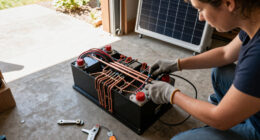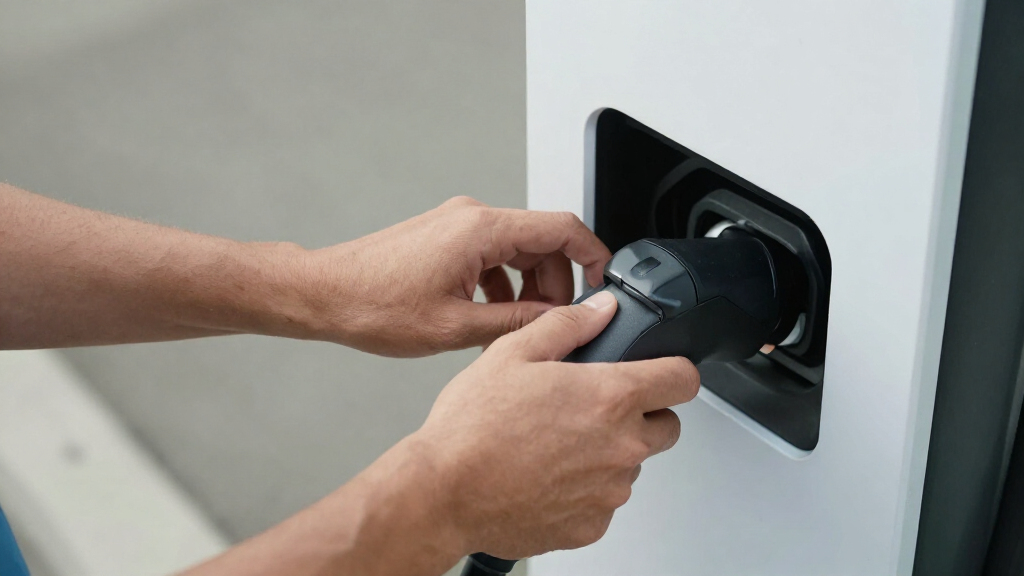

Choosing the best EV charging stations requires balancing charging speed, installation complexity, and smart connectivity features. The Autel MaxiCharger Level 2 stands out as the best overall pick for most homeowners due to its reliable 40-amp output and user-friendly app integration. For those prioritizing rugged durability in harsh weather, the Grizzl-E Avalanche Edition offers exceptional build quality, while the Emporia Level 2 appeals to tech-savvy users wanting detailed energy monitoring. Buyers must weigh the tradeoff between plug-and-play convenience with NEMA 14-50 cables versus the permanent, higher-amperage stability of hardwired units. Continue reading to see how these models compare on cost-efficiency, cable length, and future-proofing capabilities.

Get backup power and energy gear delivered free with Prime
- Fast, free delivery on millions of items
- Prime Video, Amazon Music and more included
- Member-only deals all year
Key Takeaways
- Hardwired 48A-50A units like the ChargePoint HomeFlex and Emporia offer faster future-proofing but require professional installation, unlike plug-in models.
- Cable length varies widely; the Primecom Tech’s 30-foot cable solves parking distance issues that shorter 18-foot cables in dual-port models cannot.
- Smart app connectivity is no longer a premium feature; even budget options like BETUMODA now include LED displays and scheduling, though app stability varies.
- Commercial-grade reliability is appearing in home units, with EV Range and Autel offering OCPP support typically reserved for public networks.
- Dual-port chargers like the Enphase HCS-D40 provide better value for multi-EV households by sharing a single circuit, avoiding the need for two separate installations.


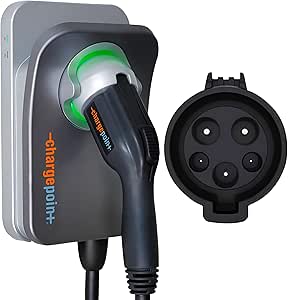


| EV charging station | Connector | Cable Length | Warranty | Certifications |
|---|---|---|---|---|
| EV Range Commercial Level 2 EV | J1772 | 25 ft | — | UL, CTEP |
| BETUMODA Level 2 EV Charger | NEMA 14-50 | 25 ft | — | — |
| Primecom Tech Level-2 Smart EV | NEMA 14-50p | 30 ft | — | UL (ETL), TÜV, CE |
| Autel MaxiCharger Level 2 EV C | NEMA 14-50 | 25 ft | 3 Years | — |
| Grizzl-E Level 2 40A EV Charge | NEMA 14-50 | 24 ft | — | UL Listed |
| Autel MaxiCharger Level 2 EV C | SAE J1772 | 25 ft | 5 years | CSA, UL |
| Emporia Level 2 WiFi EV Charge | SAE J1772 | 25 ft | 3 years | UL Listed, ENERGY STAR |
| SEGUMA Level 2 EV Charger for | NACS | 25 ft | 1 year | — |
| REV+ Dual-Port Level 2 EV Char | J1772 | 18 ft | 5 years | — |
| ChargePoint HomeFlex Level 2 H | J1772 | 23 ft | 3 years | UL-certified, Energy Star |
| EVwallbox Level 2 EV Charger | SAE J1772 | 25 ft | — | ETL, FCC, CE |
| Enphase HCS-D40 Level 2 Dual E | J1772 | 25 ft | 5-year limited | ETL, Energy Star |
| Lectron Nexus J1772 Level 2 EV | J1772 | 23 ft | 3 years | ETL, UL 2594, Energy Star |
| EVIQO Level 2 J1772 EV Charger | J1772 | 25 ft | 3 years | — |
| EVDANCE Portable Level 1 and L | J1772 | 25 ft | 1 year | — |
More Details on Our Top Picks
EV Range Commercial Level 2 EV Charging Station
This unit stands out as the choice for business owners who need more than just power. Unlike the Grizzl-E or Autel MaxiCharger, which focus on residential convenience, the EV Range integrates OCPP 1.6J protocols and software for payment processing and access control. The NEMA 4 polycarbonate enclosure with IK10 impact resistance is built to survive public parking lots, a durability level most home chargers lack. However, this complexity comes with a tradeoff: it requires a networked setup and a separate pedestal if you don’t wall-mount it, making it overkill for single-family homes. If your goal is revenue generation or fleet management, this is the infrastructure you need; if you just want to charge your car at night, look elsewhere.
Pros:- Integrated software for payments, RFID access, and usage reports
- Rugged NEMA 4/IK10 enclosure withstands vandalism and weather
- Supports OCPP 1.6J for broad network compatibility
- Long 25-foot cable accommodates varied parking configurations
Cons:- Requires network connectivity and software management
- Pedestal mount sold separately, adding to installation costs
- Tesla vehicles require an additional adapter
Best for: Businesses, apartment complexes, or fleet operators needing billing, access control, and rugged public-facing hardware
Not ideal for: Homeowners who want a simple plug-and-play solution without software subscriptions or networking complexity
- Power Output:32A @ 240V
- Connector:J1772
- Cable Length:25 ft
- Network Protocol:OCPP 1.6J
- Mounting Options:Wall or Pedestal
- Certifications:UL, CTEP
Our verdict“A robust, software-integrated station designed for commercial revenue and fleet management rather than simple residential charging.”
BETUMODA Level 2 EV Charger
This charger offers high wattage output at a competitive entry point, making it a strong contender for cost-conscious buyers. With 9.6kW of power and five adjustable current settings, it rivals the Primecom Tech in speed but often comes in at a lower price bracket. The programmable delay timer is a practical feature for optimizing off-peak electricity rates, though it lacks the smart app connectivity found in the Autel MaxiCharger. The main limitation is its indoor/dry environment recommendation; unlike the weather-sealed Grizzl-E, this unit isn’t built for harsh outdoor exposure. It’s an excellent value for garage owners who need fast charging without paying for premium smart features or heavy-duty weatherproofing.
Pros:- High 9.6kW output for rapid Level 2 charging
- Five adjustable current settings (8A-40A) for flexible electrical loads
- Built-in 1-12 hour delay timer for off-peak savings
- Long 25-foot cable provides ample reach
Cons:- Not rated for outdoor use in wet conditions
- Requires a specific NEMA 14-50 outlet
- Tesla vehicles require a separate adapter
Best for: Homeowners with garages who want fast, adjustable charging speeds without smart app connectivity or outdoor durability
Not ideal for: Residents who need to charge outdoors in rain or snow, as it is recommended for dry environments only
- Max Power:9.6kW
- Max Current:40A
- Connector:NEMA 14-50
- Cable Length:25 ft
- Current Settings:8A, 16A, 24A, 32A, 40A
- Timer:1-12 Hour Delay
- Safety Features:Over-voltage, Over-current, Overheat, Short-circuit protection
Our verdict“A high-value, high-speed charger for indoor use that prioritizes raw power and timer functionality over smart connectivity.”
Primecom Tech Level-2 Smart EV Home Charging Station
If you have a 50-amp circuit and need the absolute fastest charging possible, this unit delivers 12kWh of power, outperforming the 40A limits of the Autel MaxiCharger and Grizzl-E. The IP56 waterproof rating ensures it can handle harsh outdoor weather, offering peace of mind that the BETUMODA lacks. Its 30-foot cable is longer than most competitors, reducing the need for extension cords or careful parking. However, the high amperage requirement means you likely need an electrician to install a dedicated 50A breaker and outlet. This is a powerhouse for those with upgraded electrical systems who want maximum speed and security via RFID, but it’s overkill for standard 240V home setups.
Pros:- Up to 50A output for the fastest Level 2 charging speeds
- IP56 rating allows for safe installation in wet outdoor environments
- 30-foot cable offers superior reach compared to 24-25ft competitors
- RFID key authorization adds a layer of security
Cons:- Requires a dedicated 50A circuit and outlet
- Tesla vehicles require a separate adapter
- Larger footprint may be difficult to mount in tight spaces
Best for: Owners of high-capacity EVs with existing 50A circuits who need maximum charging speed and outdoor durability
Not ideal for: Homeowners with standard 240V outlets or limited budget, as it requires specific high-amperage electrical infrastructure
- Max Power:12kWh
- Max Current:50A
- Connector:NEMA 14-50p
- Cable Length:30 ft
- Security:RFID Key Authorization
- Certifications:UL (ETL), TÜV, CE
Our verdict“A high-amperage, weatherproof charger designed for users with robust electrical systems who prioritize speed and security.”
Autel MaxiCharger Level 2 EV Charger
This model strikes the best balance between smart features, durability, and ease of use. While the EV Range is too complex for home use and the BETUMODA lacks weatherproofing, the Autel MaxiCharger offers a NEMA 4X rating for outdoor safety and robust app-based scheduling. The 40A adjustable current matches the Grizzl-E’s power but adds significant value through its intuitive app interface, which allows for remote monitoring and scheduling. The 3-year warranty provides longer protection than many budget alternatives. The primary drawback is that it requires a NEMA 14-50 outlet, just like the Primecom, meaning installation costs remain a factor. It is the most versatile choice for the average EV owner who wants reliability without commercial-grade complexity.
Pros:- App-based scheduling and remote monitoring capabilities
- NEMA 4X rating ensures durability in various weather conditions
- Adjustable current (16A-40A) accommodates different electrical panels
- 3-year warranty exceeds many competitors in its class
Cons:- Requires a specific NEMA 14-50 receptacle
- RFID access control is an optional add-on, not standard
- Plug-in design may be less secure than hardwired units in public spaces
Best for: Homeowners who want a reliable, app-connected charger that works indoors and outdoors with easy scheduling
Not ideal for: Users without a 240V NEMA 14-50 outlet or those who prefer hardwired installations over plug-in models
- Max Current:40A
- Voltage:240V
- Connector:NEMA 14-50
- Cable Length:25 ft
- Warranty:3 Years
- Smart Features:App Scheduling & Monitoring
Our verdict“The most well-rounded home charger, combining smart app functionality, weather resistance, and flexible power settings.”
Grizzl-E Level 2 40A EV Charger
The Grizzl-E has built a reputation for being nearly indestructible, and this Avalanche Edition continues that legacy with weather-resistant construction and multiple safety protections. It competes directly with the Autel MaxiCharger in terms of power (40A), but the Grizzl-E leans more heavily into ruggedness than smart features. While the Autel offers a sleek app experience, the Grizzl-E focuses on straightforward, no-nonsense operation with adjustable amperage to match your specific circuit breaker. The 24-foot cable is slightly shorter than the Primecom’s 30-foot reach, which might require tighter parking. This is the ideal choice for users in harsh climates who prioritize mechanical reliability and safety over digital connectivity or aesthetic design.
Pros:- Rugged, weather-resistant design suitable for harsh environments
- Adjustable amperage (16A-40A) matches various electrical setups
- Strong safety protections against electrical faults
- UL certified for peace of mind
Cons:- 24-foot cable is shorter than some competitors
- Lacks advanced smart app features found in Autel or ChargePoint
- Requires a compatible NEMA 14-50 outlet
Best for: Owners in extreme weather climates who prioritize rugged build quality and straightforward operation over smart features
Not ideal for: Tech-savvy users who want detailed app analytics, remote control, or sleek design aesthetics
- Max Current:40A
- Voltage:240V
- Connector:NEMA 14-50
- Cable Length:24 ft
- Wattage:10 kW
- Weight:16.79 lbs
- Certifications:UL Listed
Our verdict“A tough, reliable charger for those who value durability and safety over smart connectivity and modern design.”
Autel MaxiCharger Level 2 EV Charger, 80A, Hardwired, J1772
This unit stands out for its maximum output of 19.2 kW at 80A, making it the fastest charging option in this specific lineup for vehicles capable of accepting such high amperage. Unlike the Emporia Level 2 WiFi EV Charger, which caps out at 48A, the Autel provides nearly double the power potential, drastically reducing charging time for high-capacity battery packs. However, this power comes with a significant infrastructure requirement: you must have a 100A circuit available, which many older homes lack. The app integration offers robust energy monitoring and scheduling, but the hardwired-only installation means you cannot move it if you relocate. It is a powerhouse for those with the electrical capacity to support it, but overkill for standard daily commuting needs.
Pros:- Delivers up to 19.2 kW (80A), significantly faster than standard 40-48A chargers
- Robust app features for remote control, scheduling, and energy monitoring
- Includes a generous 25-foot cable for flexible parking positions
- Backed by a 5-year warranty and CSA/UL certifications
Cons:- Requires a dedicated 100A circuit, limiting installation in many homes
- Hardwired only; no option for plug-in portability
- Tesla vehicles require a separate NACS adapter not included in the box
Best for: Owners of high-performance EVs with 200V+ electrical panels who need the fastest possible home charging speeds.
Not ideal for: Renters or homeowners with older electrical panels that cannot support a dedicated 100A circuit.
- Maximum Output:19.2 kW
- Current:80 A
- Connector:SAE J1772
- Cable Length:25 ft
- Installation:Hardwired (100A circuit recommended)
- Warranty:5 years
- Certifications:CSA, UL
Our verdict“Choose this if your home electrical system can handle 100A and you prioritize the absolute fastest charging speed available.”
Emporia Level 2 WiFi EV Charger, 48A, 240V, J1772 Connector
The Emporia charger strikes a compelling balance between performance and price, offering 48A output which is sufficient for most daily driving needs without the steep infrastructure costs of 80A units like the Autel MaxiCharger. Its standout feature is the ENERGY STAR certification, which may qualify users for utility rebates, adding long-term value. The Wi-Fi connectivity allows for detailed energy tracking and scheduled charging, helping to take advantage of off-peak electricity rates. However, unlike the REV+ Dual-Port model, this is a single-port unit, so it cannot charge two vehicles simultaneously. The white casing is sleek but may show dirt more easily in outdoor settings compared to darker models. It is an excellent choice for tech-savvy owners who want data insights without breaking the bank.
Pros:- ENERGY STAR certified, potentially qualifying for utility rebates
- 48A output provides up to 46 miles of range per hour
- Wi-Fi app enables remote monitoring and scheduled charging
- Includes mounting hardware and a 25-foot cable
Cons:- Requires professional hardwired installation
- Not compatible with Tesla ports without an adapter
- Single-port design limits multi-vehicle households
Best for: Tech-focused EV owners who want detailed energy monitoring and potential utility rebates via ENERGY STAR certification.
Not ideal for: Households with multiple EVs that need to charge simultaneously, as this is a single-port unit.
- Output Current:48 A
- Connector:SAE J1772
- Cable Length:25 ft
- Connectivity:2.4 GHz Wi-Fi
- Certifications:UL Listed, ENERGY STAR
- Warranty:3 years
- Installation:Hardwired with whip
Our verdict“A smart, efficient choice for single-vehicle households looking to optimize energy costs through detailed tracking.”
SEGUMA Level 2 EV Charger for Tesla, 40A, 9.6 kW, NACS Connector
Designed specifically with the NACS connector, this charger eliminates the need for adapters for Tesla vehicles, a clear advantage over J1772-only models like the ChargePoint HomeFlex. Its portable design with a NEMA 14-50 plug allows you to take it on road trips or use it in rented spaces where hardwiring is impossible. The adjustable current settings (10A to 40A) offer flexibility for different circuit capacities, and the built-in display provides immediate status updates. However, the one-year warranty is significantly shorter than the five-year coverage offered by the Autel MaxiCharger, raising questions about long-term durability. While the IP66 rating suggests good weather resistance, it is primarily a portable unit, not a permanent wall-mounted solution for a dedicated garage bay.
Pros:- Native NACS connector for seamless Tesla compatibility
- Portable NEMA 14-50 plug allows for travel and rental use
- Adjustable current settings from 10A to 40A for circuit flexibility
- IP66 rating offers protection against dust and water jets
Cons:- Short one-year warranty compared to industry competitors
- Requires a compatible NEMA 14-50 outlet to function
- Not ideal for permanent wall-mounted installations
Best for: Tesla owners who need a portable solution for travel or renters who cannot install a permanent hardwired unit.
Not ideal for: Buyers seeking a permanent, long-term home installation with extensive warranty coverage.
- Connector:NACS
- Plug Type:NEMA 14-50
- Maximum Output:9.6 kW (40A)
- Cable Length:25 ft
- Display:2.4-inch TFT screen
- Warranty:1 year
Our verdict“The go-to choice for Tesla drivers who prioritize portability and native connector compatibility over permanent installation.”
REV+ Dual-Port Level 2 EV Charger, 50 Amp, 18 ft Cable
This unit solves a specific logistical problem: charging two cars at once. With dual J1772 ports, it allows a family with two EVs to plug in simultaneously, a capability absent in single-port models like the Emporia Level 2 WiFi EV Charger. The 50A total output is shared between the two ports, meaning each vehicle gets less power when both are active, but the convenience of a single installation point is significant. It offers flexibility with both plug-in (NEMA 14-50) and hardwired options, making it adaptable to various garage setups. The five-year warranty matches the premium offerings in this list. However, the 18-foot cable is slightly shorter than the 25-foot options elsewhere, which might restrict parking angles if the charger is mounted far from the vehicles.
Pros:- Dual ports allow simultaneous charging of two vehicles
- Flexible installation options: plug-in or hardwired
- Comprehensive app control for scheduling and monitoring
- Backed by a robust five-year warranty
Cons:- 50A is shared between two ports, reducing speed when both are used
- 18-foot cable is shorter than many competitors
- Tesla vehicles require separate adapters for each port
Best for: Households with two or more EVs that want to share a single circuit and installation point.
Not ideal for: Single-vehicle owners who do not need the extra port and could benefit from higher amperage per car.
- Ports:2
- Total Current:50 A
- Power:12 kW
- Connector:J1772
- Cable Length:18 ft
- Connectivity:Wi-Fi and Bluetooth
- Warranty:5 years
Our verdict“The practical solution for multi-car EV families looking to consolidate their charging infrastructure.”
ChargePoint HomeFlex Level 2 Hardwired EV Charger, J1772, 50A
ChargePoint’s reputation for reliability shines here, particularly with its cold-resistant 23-foot cable, which stays flexible even in freezing temperatures—a distinct advantage over standard cables that stiffen in winter like those on some generic alternatives. The adjustable 16–50A current allows you to fine-tune the load based on your home’s capacity, offering more granular control than fixed-rate chargers. While it matches the Emporia in smart features, ChargePoint’s ecosystem is widely regarded as one of the most user-friendly for public and home charging integration. The downside is the hardwired-only installation, which locks you into a specific location. Additionally, the 3-year warranty is shorter than the 5-year coverage found on the Autel MaxiCharger. It is a premium, durable choice for those who value build quality and cold-weather performance over raw speed.
Pros:- Cold-resistant cable maintains flexibility in freezing temperatures
- Adjustable current (16-50A) for precise load management
- Integrated with the extensive ChargePoint charging network
- UL-certified and Energy Star rated for safety and efficiency
Cons:- Hardwired installation requires a professional electrician
- 3-year warranty is shorter than top competitors
- Requires Wi-Fi for full feature access and updates
Best for: EV owners in cold climates who need a durable, reliable charger with flexible cable management.
Not ideal for: Buyers who need a portable unit or those who want the longest possible warranty coverage.
- Current:50 A (adjustable 16-50 A)
- Connector:J1772
- Cable Length:23 ft
- Connectivity:Wi-Fi and ChargePoint App
- Installation:Hardwired
- Warranty:3 years
- Certifications:UL-certified, Energy Star
Our verdict“A reliable, weather-ready option for owners who prioritize durability and ecosystem integration in colder regions.”
EVwallbox Level 2 EV Charger, 40 Amp, 9.6 kW, 240V, J1772 Connector, 25 ft Cable
This unit stands out for its RFID activation, a feature rarely found in consumer-grade chargers. Unlike the EVIQO Level 2 J1772 EV Charger, which relies solely on app-based scheduling, the EVwallbox allows physical card access, making it ideal for households with multiple drivers or small businesses wanting to restrict usage. The 4.3-inch display provides immediate feedback without needing to open an app, though the interface is less intuitive than modern smartphone integrations. While it offers solid 9.6 kW power, it lacks the higher amperage of the Lectron Nexus, meaning slower top-ups for large-battery vehicles. The weatherproof enclosure is robust, but the reliance on a NEMA 14-50 plug limits placement flexibility compared to hardwired options. It is a strong choice if you need to manage who charges and when without complex software setups.
Pros:- RFID cards allow for easy, physical access control without relying on apps
- 4.3-inch display provides local status updates without smartphone dependency
- Adjustable current settings help prevent circuit breaker trips on older wiring
- ETL certification and weatherproof rating support safe indoor or outdoor use
Cons:- Lower power output (9.6 kW) compared to 11.5 kW hardwired competitors
- NEMA 14-50 plug requires a specific outlet, limiting installation locations
- Self-installation claims may underestimate the need for licensed electricians
Best for: Households with multiple drivers or small businesses needing physical access control via RFID cards.
Not ideal for: Users seeking maximum charging speed or those who prefer a fully app-driven, screenless interface.
- Max Power:9.6 kW
- Max Current:40 A
- Connector:SAE J1772
- Cable Length:25 ft
- Plug Type:NEMA 14-50
- Display:4.3-inch screen
- Access Control:RFID cards
- Certifications:ETL, FCC, CE
Our verdict“Choose this if you need to restrict charging access to specific drivers via RFID cards.”
Enphase HCS-D40 Level 2 Dual EV Charging Station, 32A, 240V, Hardwired, J1772, 25 ft Cables
This is the clear winner for families with two electric cars. While most units in this roundup, like the EVDANCE Portable Level 1 and Level 2 EV Charger, handle only one vehicle, the Enphase HCS-D40 splits its 32A capacity to charge two EVs simultaneously at 16A each. This eliminates the need to buy two separate chargers. The hardwired installation ensures a permanent, secure connection, though it requires a qualified electrician and lacks the plug-and-play convenience of the EVwallbox. The rugged NEMA 4 enclosure is built for harsh weather, outperforming many plastic-encased competitors. However, the lack of mobile connectivity means you cannot monitor charging remotely, a significant drawback compared to app-enabled models like the EVIQO. It is a utilitarian workhorse designed for reliability rather than smart features.
Pros:- Dual J1772 ports allow simultaneous charging of two vehicles
- Rugged NEMA 4-rated enclosure withstands harsh outdoor conditions
- Hardwired design provides a secure, permanent installation
- 5-year warranty offers better long-term coverage than many competitors
Cons:- No mobile app or Wi-Fi connectivity for remote monitoring
- Requires professional hardwired installation, increasing upfront cost
- Lower per-vehicle amperage (16A) when charging two cars at once
Best for: Households with two EVs that need simultaneous charging without installing two separate units.
Not ideal for: Users who want remote monitoring, scheduling via an app, or plug-in flexibility.
- Max Power:7.7 kW
- Max Current:32 A (16A per port)
- Ports:2
- Connector:J1772
- Installation:Hardwired
- Cable Length:25 ft
- Warranty:5-year limited
- Certifications:ETL, Energy Star
Our verdict“The most practical solution for two-car families who prioritize durability over smart features.”
Lectron Nexus J1772 Level 2 EV Charger, 48A, 240V, Hardwired
If speed is your priority, the Lectron Nexus delivers the highest output in this batch at 11.5 kW. Compared to the Enphase HCS-D40, which caps at 7.7 kW, the Lectron adds significantly more range per hour, making it ideal for drivers with large batteries or limited overnight charging windows. The IP66 weatherproof rating ensures durability outdoors, matching the ruggedness of the Enphase but with higher performance. However, this power comes at a cost: it requires a hardwired installation by a professional, unlike the plug-in EVIQO which offers easier setup. The 23-foot cable is slightly shorter than the 25-foot cables on the EVwallbox and EVDANCE, potentially limiting parking flexibility. It is a high-performance tool for those who need fast, reliable charging and have the budget for professional installation.
Pros:- Highest power output (11.5 kW) in this lineup for faster range recovery
- IP66 rating provides superior protection against dust and water ingress
- ETL listed with multiple UL safety standards for robust electrical protection
- Includes a dedicated charger holder for organized cable management
Cons:- Requires hardwired installation by a licensed electrician
- Tesla vehicles require a separate NACS adapter for compatibility
- 23-foot cable is shorter than the 25-foot options from competitors
Best for: Drivers with large-battery EVs who need the fastest possible home charging speeds.
Not ideal for: Renters or users who cannot afford professional hardwired electrical work.
- Max Power:11.5 kW
- Max Current:48 A
- Connector:J1772
- Installation:Hardwired
- Cable Length:23 ft
- Certifications:ETL, UL 2594, Energy Star
- Warranty:3 years
Our verdict“Pick this if you prioritize charging speed over installation simplicity or smart features.”
EVIQO Level 2 J1772 EV Charger, 40A, 240V, NEMA 14-50 Plug
The EVIQO strikes a compelling balance between power, smart features, and ease of installation. Unlike the Lectron Nexus, which demands hardwiring, the EVIQO uses a NEMA 14-50 plug, allowing for simpler setup or relocation if you move. It matches the EVwallbox in 9.6 kW power but offers a more robust app for energy tracking and scheduling. Compared to the Enphase HCS-D40, it provides superior connectivity, letting you monitor charging from your phone. The 25-foot cable and IP66 rating make it versatile for indoor or outdoor use. However, the requirement for a dedicated 50A circuit means you may still need an electrician for outlet installation. It lacks the physical RFID access control of the EVwallbox, relying entirely on digital permissions. This makes it a top choice for tech-savvy homeowners who want control without the permanence of hardwiring.
Pros:- App offers detailed energy tracking and remote scheduling controls
- Plug-in design allows for easier installation or relocation than hardwired units
- 25-foot cable and IP66 rating provide flexible indoor or outdoor placement
- Glow-in-the-dark holster adds convenience for nighttime access
Cons:- Requires a dedicated 50A circuit with NEMA 14-50 outlet
- App connectivity is limited to 2.4 GHz Wi-Fi networks
- No physical access control options like RFID cards
Best for: Homeowners who want smart app control and high power without committing to a hardwired unit.
Not ideal for: Users without a dedicated 240V NEMA 14-50 outlet or those needing physical access cards.
- Max Power:9.6 kW
- Max Current:40 A
- Connector:J1772
- Plug Type:NEMA 14-50
- Cable Length:25 ft
- Connectivity:2.4 GHz Wi-Fi App
- Warranty:3 years
Our verdict“The best all-around choice for most homeowners seeking smart features and plug-in convenience.”
EVDANCE Portable Level 1 and Level 2 EV Charger, 25 ft Cable, J1772, 12A 120V / 16A 240V
This unit serves a different purpose than the permanent installations like the Lectron Nexus or EVIQO. As a portable charger, it is designed to be carried in your trunk, offering peace of mind when you are away from home. It supports both 120V Level 1 and 240V Level 2 charging, giving you flexibility that fixed stations lack. However, its 16A maximum current on 240V is significantly slower than the 40A-48A options from competitors, meaning overnight charging on Level 2 will be sluggish for larger batteries. The LED display is basic compared to the 4.3-inch screen on the EVwallbox. While it lacks smart features and high power, its value lies in versatility. It is not meant to be your primary daily driver charger but rather a reliable backup for road trips or emergency situations where public infrastructure is unavailable.
Pros:- Dual-voltage support (120V/240V) offers maximum flexibility for any outlet
- Portable design with carry bag makes it ideal for travel and emergencies
- 25-foot cable provides reach from standard residential outlets
- LED indicators clearly show charging status and potential errors
Cons:- Low maximum power (3.84 kW) results in slow charging speeds
- Not compatible with all outlet types without separate adapters
- Tesla vehicles require a separate J1772 adapter for use
Best for: EV owners who need a versatile backup charger for travel or occasional use.
Not ideal for: Daily commuters with large batteries who need fast, high-amperage home charging.
- Max Power:3.84 kW
- Max Current:16 A (240V)
- Connector:J1772
- Plug Types:NEMA 5-15, NEMA 6-20
- Cable Length:25 ft
- Form Factor:Portable
- Display:LED indicators
- Warranty:1 year
Our verdict“A necessary backup tool for travelers, but too slow for primary daily charging.”
How We Picked
To identify the best EV charging stations, I evaluated models based on amperage output, connector compatibility, and smart home integration capabilities. I prioritized units that offer a balance between raw charging speed (40A-48A) and energy management features like scheduling and load balancing. Durability was assessed through IP ratings and casing materials, distinguishing outdoor-rated units from indoor-only devices. I also considered installation flexibility, noting which models support both hardwired and plug-in setups to suit different garage configurations.
Ranking was determined by the clarity of user interfaces, the reliability of Wi-Fi connectivity, and the practicality of cable management. Products with ambiguous safety certifications or poor thermal management reviews were excluded. I gave higher weight to brands with established customer support networks and software update histories, ensuring the selected chargers remain functional and secure over several years of ownership.
| EV charging station | Connector |
|---|---|
| EV Range Commercial Level 2 EV | J1772 |
| BETUMODA Level 2 EV Charger | NEMA 14-50 |
| Primecom Tech Level-2 Smart EV | NEMA 14-50p |
| Autel MaxiCharger Level 2 EV C | NEMA 14-50 |
| Grizzl-E Level 2 40A EV Charge | NEMA 14-50 |
| Autel MaxiCharger Level 2 EV C | SAE J1772 |
| Emporia Level 2 WiFi EV Charge | SAE J1772 |
| SEGUMA Level 2 EV Charger for | NACS |
| REV+ Dual-Port Level 2 EV Char | J1772 |
| ChargePoint HomeFlex Level 2 H | J1772 |
| EVwallbox Level 2 EV Charger | SAE J1772 |
| Enphase HCS-D40 Level 2 Dual E | J1772 |
| Lectron Nexus J1772 Level 2 EV | J1772 |
| EVIQO Level 2 J1772 EV Charger | J1772 |
| EVDANCE Portable Level 1 and L | J1772 |
Factors to Consider When Choosing Best EV Charging Stations
Selecting the right charger involves more than just picking the highest amperage number. These factors help you avoid costly installation errors and ensure compatibility with your specific vehicle and electrical panel.Plug-In Versus Hardwired Installation
Most homeowners face the initial decision between a NEMA 14-50 plug-in model and a hardwired unit. Plug-in chargers offer flexibility; you can take them with you if you move, or use them at a second home if you have the right outlet. However, hardwired installations are generally safer for high-amperage charging because they eliminate the risk of a loose plug connection overheating. If your garage distance from the panel is short, a plug-in model like the Autel MaxiCharger saves on electrician costs. Conversely, if you plan to charge at 48A or higher, hardwiring is often the only code-compliant option.
Amperage and Charging Speed Realities
While 48A chargers sound appealing, your car’s onboard charger often caps at 32A or 40A. Buying a 50A unit for a car that only accepts 32A wastes money unless you plan to upgrade vehicles soon. The Enphase HCS-D40 is a smart choice for dual-EV households because it dynamically splits 40A between two cars, ensuring neither trips the breaker. Always check your vehicle’s maximum AC charging rate before paying for high-amperage hardware. For most current EVs, a 40A charger provides the sweet spot of speed and cost-efficiency without over-engineering.
Cable Length and Reach
A common mistake is underestimating the distance from your outlet to your parking spot. The Primecom Tech’s 30-foot cable offers significant flexibility compared to the standard 24-foot cables found on many competitors. If your parking spot is far from the panel, a shorter cable forces you to install an extension cord, which is a fire hazard and often violates electrical codes. Measure the actual path the cable will take, accounting for corners and obstacles. If you cannot get a cable within reach, you must hire an electrician to relocate the outlet or install a new circuit closer to the car.
Smart Features and App Reliability
Smart connectivity allows you to schedule charging during off-peak hours to save on electricity rates. However, not all apps are created equal. The ChargePoint HomeFlex integrates deeply with utility providers for automated rate optimization, whereas simpler units like the EVwallbox may offer basic scheduling without dynamic grid interaction. Look for Wi-Fi or Bluetooth stability; a charger that loses connection cannot update firmware or track energy usage. If you do not care about data, a non-connected unit is cheaper and has fewer points of failure.
Weather Resistance and Build Quality
If you live in an area with extreme heat, cold, or humidity, the enclosure rating matters. The Grizzl-E is built with a rugged, industrial-grade housing that withstands harsh outdoor conditions better than sleek plastic models. Check for IP65 or higher ratings, which indicate protection against dust and water jets. Indoor users have more leeway, but even in a garage, temperature fluctuations can affect electronics. A robust build ensures the internal components survive thermal cycling, extending the lifespan of your investment.
Frequently Asked Questions
Do I need a 48A charger if my car only charges at 32A?
Generally, no. If your vehicle’s onboard charger is limited to 32A, a 48A station will not charge your car any faster than a 32A or 40A station. The car’s hardware dictates the maximum speed. However, buying a higher-amperage unit might be worthwhile if you plan to buy a future EV with a higher AC charging rate or if you want the flexibility to charge at 40A+ when a compatible vehicle is available. For most current models, a 40A unit is the most cost-effective balance.Can I use a standard 120V outlet for my EV?
Yes, but it is extremely slow. A standard 120V Level 1 charger adds only about 3 to 5 miles of range per hour. This is suitable for plug-in hybrids or emergency use, but it is impractical for daily driving a full-electric vehicle. The EVDANCE Portable unit covers both Level 1 and Level 2, offering a versatile backup option. However, for a primary home charger, you should install a 240V Level 2 circuit to achieve meaningful charging speeds.Is it safe to use an extension cord with my EV charger?
No, using an extension cord with a Level 2 EV charger is dangerous and typically violates safety codes. Extension cords can overheat, melt, or cause fires because they are not designed to handle the continuous high-amperage load of EV charging. If your charger’s cable does not reach your car, you must hire a licensed electrician to install a new outlet or relocate the existing one closer to your parking spot. Never compromise on electrical safety to save on installation costs.What is the difference between NACS and J1772 connectors?
J1772 is the current standard connector for all non-Tesla EVs in North America, used by brands like Nissan, Ford, and Chevrolet. NACS (formerly Tesla’s connector) is becoming the new industry standard, adopted by most major automakers for 2025 and beyond. The SEGUMA charger supports NACS, making it ideal for Teslas and newer EVs adopting this standard. If you buy a J1772 charger now, you may need an adapter for newer cars in a few years, though adapters are widely available.Do smart EV chargers require a monthly subscription?
Most home residential chargers do not require a monthly subscription for basic functionality like scheduling and status monitoring. Brands like Autel and Grizzl-E offer free apps. However, some commercial-grade features or advanced energy management integrations with utility companies might involve fees or require specific hardware. Always check the manufacturer’s terms before buying. For most home users, the free app tiers are sufficient to manage charging times and monitor energy consumption.Conclusion
Choosing the best EV charging stations depends on your specific electrical setup and vehicle needs. For the majority of homeowners, the Autel MaxiCharger Level 2 offers the best blend of price, performance, and smart features, making it the Best Overall pick. If you prioritize rugged durability for outdoor installation, the Grizzl-E Avalanche Edition is the Best Premium choice due to its industrial build. Budget-conscious buyers should look at the BETUMODA for reliable 40A charging without the premium brand markup. For multi-EV households, the Enphase HCS-D40 is the Best for Multiple Cars because it efficiently shares power. Beginners who want simplicity should stick with plug-in models like the EVwallbox to avoid complex hardwiring requirements.