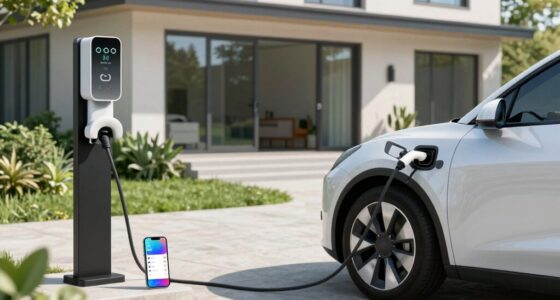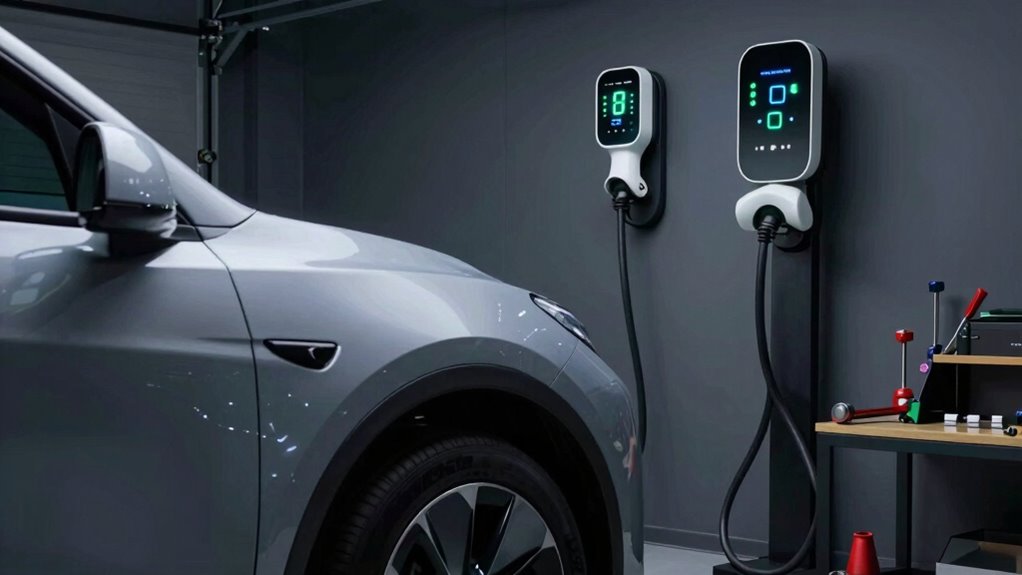

Many new EV owners believe installing a home fast charger means they’ll get quick top-ups like public stations, but that’s not always true. Your vehicle’s battery health, electrical setup, and charging habits all influence how fast your car can charge. Fast charging at home can help, but it may not match public station speeds and can impact your battery over time. Want to understand how to optimize your charging experience? Keep exploring for the full picture.

Get backup power and energy gear delivered free with Prime
- Fast, free delivery on millions of items
- Prime Video, Amazon Music and more included
- Member-only deals all year
Key Takeaways
- Installing a home fast charger doesn’t guarantee public station-like charging speeds.
- Not all EVs are designed for ultra-fast charging, limiting effectiveness at home.
- Proper electrical infrastructure is crucial; inadequate support can reduce charging performance and safety.
- Frequent fast charging accelerates battery degradation, impacting long-term battery health.
- Balancing fast and slow charging methods is essential for maximizing battery lifespan.
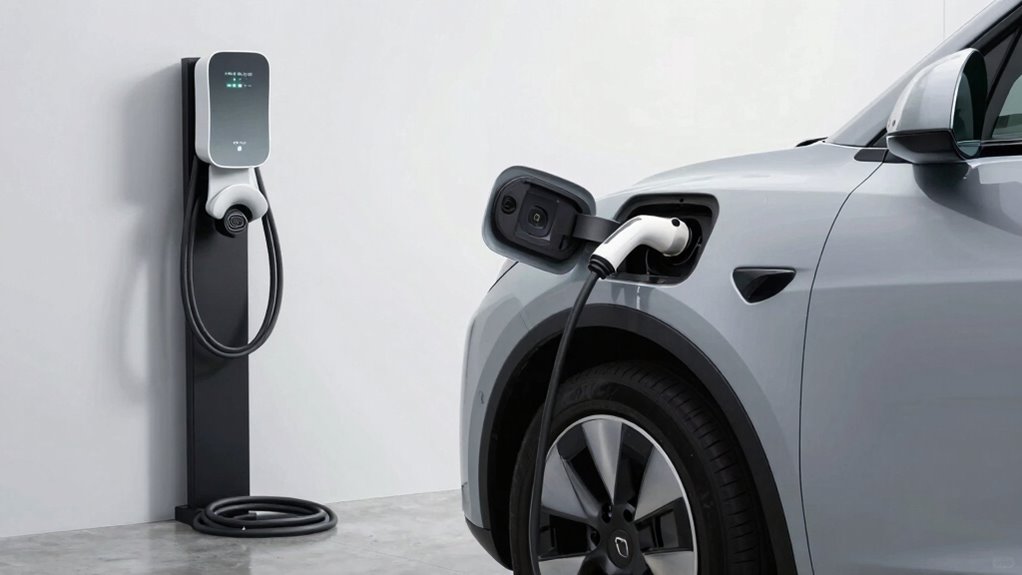
Are you under the impression that installing a fast charger at home will instantly give you the same quick charging experience as public fast stations? Many new EV owners believe this, but the reality is a bit more nuanced. While a home fast charger can considerably cut down your charging time, it doesn’t mean you’ll always get the same rapid top-ups you see at dedicated charging stations. One reason is that your vehicle’s battery health plays a fundamental role in how it handles fast charging. Over time, frequent fast charging can contribute to battery degradation, reducing overall battery lifespan and capacity. This isn’t to say you shouldn’t use fast chargers, but it’s essential to understand that aggressive charging habits can accelerate battery wear.
Additionally, the charging infrastructure surrounding your home impacts your charging experience. Installing a fast charger requires a robust electrical system—adequate wiring, proper circuit breakers, and sometimes upgrades to your home’s electrical panel. Without this support, your fast charger might not perform efficiently or could even pose safety risks. Furthermore, not all electric vehicles are equipped to handle ultra-fast charging, even if your home charger is capable. Some models are designed for slower, more gradual charging, which is gentler on the battery and helps preserve its longevity over time. Electrical system support is critical to ensure safe and effective fast charging at home. Moreover, understanding your local charging infrastructure can help you plan your charging more effectively and avoid relying solely on your home setup.
Many new EV owners also overlook the importance of balancing fast charging with regular, slower charging sessions. Relying solely on fast chargers can lead to quicker battery degradation, decreasing your vehicle’s range and efficiency in the long run. It’s usually better to use fast charging sparingly and rely on standard charging for daily needs, allowing your battery to stay healthier longer. The charging habits you develop can significantly extend your battery’s health and overall vehicle performance. Additionally, exploring options like smart charging can optimize your charging schedule and reduce stress on your battery.
Furthermore, understanding your vehicle’s charging capabilities is essential. Some EVs are optimized for slower charging to maximize battery health, which means that even with a fast charger at home, you might not experience the rapid fill-up times you expect. This mismatch can lead to frustration and misjudging how much time you’ll need for charging. It’s also worth noting that the home electrical system plays a crucial role in supporting fast charging capabilities. Overall, while a home fast charger can be a valuable convenience, it’s important to keep realistic expectations. Your battery’s longevity depends on a balanced approach—combining proper charging habits, understanding your vehicle’s limits, and considering the infrastructure support available to you.
As an affiliate, we earn on qualifying purchases.
Frequently Asked Questions
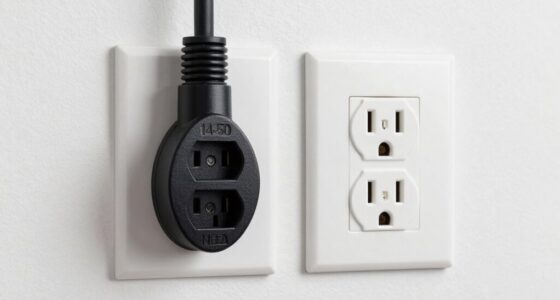
Can I Install a Fast Charger in a Regular Home Outlet?
You can’t just plug a fast charger into a regular home outlet because plug compatibility and wiring limitations prevent fast charging. Standard outlets don’t support the high power levels needed for quick charging, which affects charging speed. To enable fast charging at home, you’ll need a dedicated, professionally installed Level 2 charger designed for your vehicle’s specifications, ensuring safe and efficient charging without risking electrical issues.
How Much Does It Cost to Upgrade My Home Electrical System?
Upgrading your home electrical system typically costs between $1,000 and $3,000, depending on your home’s existing setup and charging needs. You’ll want to evaluate costs for circuit upgrades, wiring, and permits. While handling battery maintenance and practicing proper charging etiquette, make certain your system can support a Level 2 charger safely. Consulting a licensed electrician helps guarantee a seamless, safe switch-on, safeguarding your savvy EV experience.
Is a Dedicated Circuit Necessary for Fast Home Charging?
Yes, a dedicated circuit is necessary for fast home charging. It guarantees electrical safety by preventing overloads and protects your vehicle’s charging system. Additionally, it matches your home’s power capacity, allowing for safe, efficient charging without risking electrical issues. Installing a dedicated circuit also helps avoid tripping breakers and ensures your EV charges quickly and safely, giving you peace of mind during every charging session.
Will Fast Charging at Home Damage My Ev’s Battery?
Fast charging at home won’t necessarily damage your EV’s battery if you use the right charger and maintain proper practices. Battery degradation can occur with frequent fast charging, but modern EVs are designed to handle it. Make sure your charger is compatible with your vehicle and avoid constant rapid charging. By doing so, you protect your battery’s health and extend its lifespan while enjoying the convenience of fast home charging.
How Long Does It Take to Install a Home Fast Charger?
Installing a home fast charger typically takes a few hours up to a day, depending on your home’s electrical setup. You need to guarantee charger compatibility with your vehicle and your home’s electrical system. Professional installation is essential for safety, making sure everything is up to code and properly grounded. Hiring a certified electrician helps prevent damage and ensures the process is safe and efficient.
electric vehicle charging station
As an affiliate, we earn on qualifying purchases.
As an affiliate, we earn on qualifying purchases.
Conclusion
Many new EV owners mistakenly believe fast charging at home is essential for daily driving, but in reality, most daily commutes don’t require it. Only about 20% of EV owners use fast chargers regularly, saving money and battery health. Understanding your actual needs can help you optimize your charging habits and avoid unnecessary costs. So, before rushing to install a fast charger, consider your driving patterns—slow and steady might be your best bet for long-term savings.
As an affiliate, we earn on qualifying purchases.
As an affiliate, we earn on qualifying purchases.
Fall Picks
fall essentials
As an affiliate, we earn on qualifying purchases.