TL;DR

Get backup power and energy gear delivered free with Prime
- Fast, free delivery on millions of items
- Prime Video, Amazon Music and more included
- Member-only deals all year
Meta has agreed to buy environmental attribute certificates representing about 200,000 tons of cement from Fortera’s planned plant in Ste. Genevieve, Missouri. Fortera says the commitment could help it secure financing for a facility designed to produce 300,000 tons annually and open in 2028; construction and financing are not yet confirmed.
Meta has agreed to buy environmental attribute certificates representing about 200,000 tons of cement from Fortera’s planned low-carbon plant in Ste. Genevieve, Missouri. The purchase commitment is intended to help the startup attract financing for its first commercial-scale facility, but the companies have not disclosed the deal’s financial terms and the plant has not yet been built.
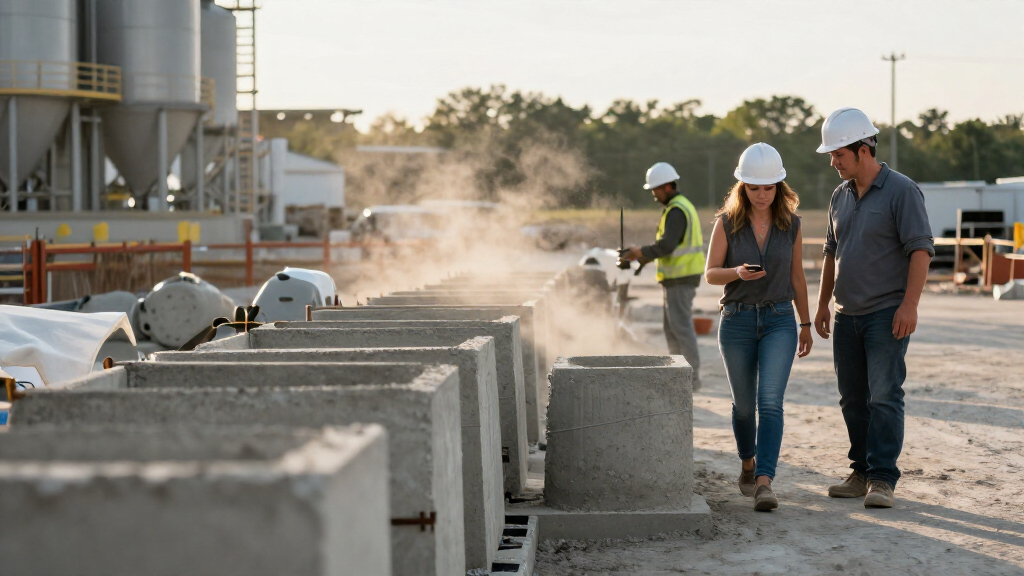
Fortera plans to build the facility beside a large lime plant operated by MLC in eastern Missouri, using carbon dioxide emitted by the existing industrial operation as an input for cement production. The proposed plant is designed to make 300,000 tons of cement a year. Fortera CEO Ryan Gilliam told Canary Media that construction is expected to cost about $150 million, and the company is aiming to bring the plant online in 2028.
Under the deal, Meta will purchase certificates that represent the environmental attributes of cement produced by the project. The arrangement does not mean Meta will necessarily receive or use the physical cement. Fortera expects to sell the material to customers near the Missouri plant at market rates, while certificate buyers can claim the associated low-carbon attributes separately. The companies did not disclose the price or other financial details of Meta’s commitment.
Fortera says its process captures carbon dioxide from industrial activity and chemically binds it into reactive carbonates that are refined into its ReAct cement. The company says that product has 70% fewer emissions than ordinary Portland cement; that figure is Fortera’s claim, and the source report does not provide independent verification. The startup operates a pilot facility in Redding, California, with stated annual capacity of about 15,000 tons.
A Buyer Commitment for Cement
Meta’s agreement addresses a financing challenge for emerging industrial technologies: companies need customers to persuade lenders and investors to fund facilities, while prospective buyers may have little product available until those facilities are built. A multi-year or substantial purchase commitment can provide a signal of demand, although the value and duration of this particular deal have not been released.
The project also speaks to demand from technology companies seeking lower-emissions materials for data centers and other construction. Cement production is a major source of global greenhouse gas emissions, and the source report estimates the cement industry accounts for roughly 8% of worldwide planet-warming emissions. If Fortera’s plant is built and performs as planned, it would add U.S. production capacity for a lower-carbon cement product. The agreement alone does not establish that outcome.
Products Worth Considering

Chemical Guys Carbon Force Ceramic Paint Coating Kit, 1 fl oz, with 3 Applicators

Autel MaxiCharger AC Home Level 2 EV Charger, 50A, Hardwired J1772, Wi-Fi, 25-Foot Cable

Milwaukee M12 FUEL 12V 1/4-Inch Hex Cordless Impact Driver Kit
As an affiliate, we earn on qualifying purchases.
From California Pilot to Missouri
Fortera’s Redding pilot plant is located beside a CalPortland cement plant. According to the source report, emissions from the existing plant are piped to Fortera’s facility and used in its process. The pilot can produce about 15,000 tons annually, and Fortera has supplied cement for projects involving Berkeley, Santa Cruz, the California Department of Transportation and Simpson University.
The proposed Missouri plant would be a much larger step: 300,000 tons of annual capacity, compared with about 15,000 tons at the pilot and roughly 1 million tons per year for a standard cement plant, according to the report. Fortera is among several U.S. startups seeking to develop lower-carbon cement, as buyers and industrial firms explore ways to support facilities before large volumes of new material are available.
Environmental attribute certificates are also being used in other industrial sectors to help new projects attract customers and funding. The source report describes certificate deals involving steel, alternative jet fuel and low-carbon ammonia. Groups including the Sustainable Concrete Buyers Alliance and the Center for Green Market Activation are working on shared standards and systems for such purchases.
“A multiyear commitment is what gets a cement plant financed.”
— Devon Lake, Meta’s head of net-zero strategy, in a news release
Financing and Construction Still Pending
The agreement is a purchase of certificates tied to planned production, not evidence that the Missouri plant is already operating or that construction financing is complete. The companies have not disclosed the deal’s price, payment schedule or term. Fortera has described a target of opening the facility in 2028, but that is a company goal rather than a confirmed completion date.
It is also unclear from the reported details how the project’s full financing package will be assembled, when construction would start, or how much of the proposed output is covered by other customer commitments. Fortera is lining up buyers for the physical cement, including building materials company Ozinga, but the source report does not give the volume or terms of that arrangement. Independent evidence for Fortera’s claimed emissions reduction was not included in the report.
Fortera Seeks Project Financing
Fortera’s next step is to secure the funding and other commitments needed to build the Ste. Genevieve facility. Gilliam told Canary Media that the project will require corporate funding, project finance, debt and anchor customers. The company is also pursuing sales of the physical cement, including an arrangement with Ozinga to use material from the plant across the Midwest.
Fortera is targeting 2028 for operations. Whether it meets that schedule will depend on financing, construction and the completion of the remaining project arrangements. The companies have not announced a construction start date or additional details on Meta’s certificate purchase.
Key Questions
What did Meta agree to buy?
Meta agreed to buy environmental attribute certificates representing about 200,000 tons of cement from Fortera’s planned Missouri plant. The certificates are separate from a purchase or delivery of the physical cement.
Where is Fortera’s proposed plant?
The facility is planned for Ste. Genevieve, Missouri, beside an existing lime plant operated by MLC. Fortera plans to use carbon dioxide from the industrial operation in its cement-making process.
When could the plant open?
Fortera is aiming to bring the plant online in 2028. That is the company’s target; construction financing and a start date have not been confirmed in the source report.
How much cement is the plant designed to produce?
Fortera says the proposed facility would have annual capacity of 300,000 tons. Its Redding pilot plant in California has stated capacity of about 15,000 tons per year.
Does Meta’s deal mean the plant is fully financed?
No. The commitment is intended to help Fortera attract funding, but the source report does not say that the project has secured all financing. The companies also did not disclose the deal’s financial terms.
Source: canarymedia.com