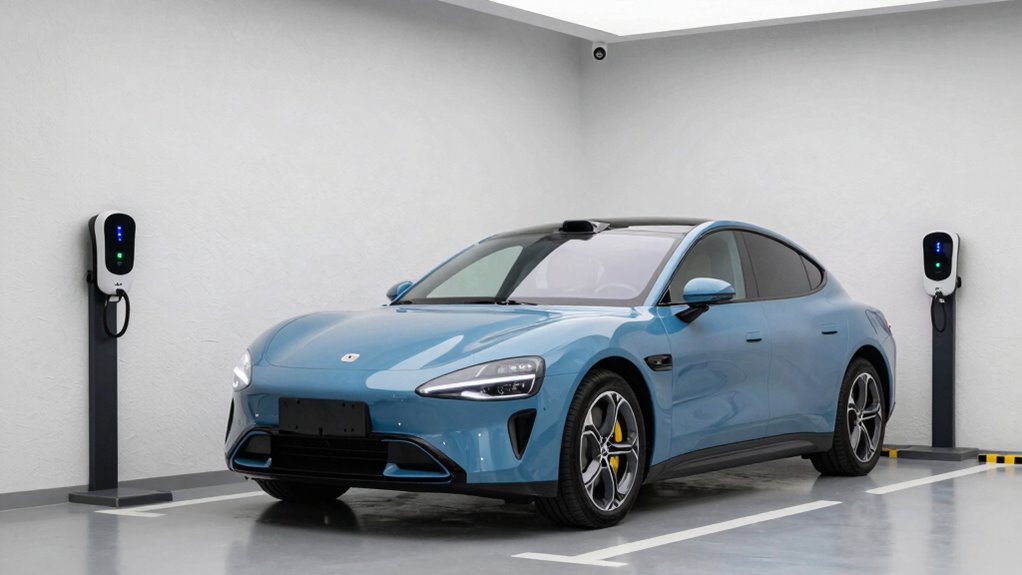

Parking aids help protect your car, chargers, and walls by providing real-time alerts about nearby obstacles. They guarantee you park accurately, reducing the risk of bumps and scratches. Proper sensor placement and regular calibration keep these systems reliable. By paying attention to visual and auditory warnings, you can avoid costly damage and keep structures intact. Want to discover more tips on maintaining effective parking protection? Keep exploring to learn how to maximize safety.
Key Takeaways
- Sensors detect proximity to vehicles, chargers, and walls, providing early warnings to prevent collisions.
- Proper calibration and placement ensure accurate detection, minimizing damage during parking maneuvers.
- Visual and auditory alerts alert drivers to obstacles, encouraging cautious and safe parking.
- Regular maintenance of sensors maintains system reliability, reducing the risk of damaging chargers and walls.
- Combining parking aids with careful driving practices enhances overall protection of surroundings.

Parking aids are fundamental tools that help prevent accidents and damage in garages and parking lots. When properly used, they give you confidence as you maneuver your vehicle, reducing the risk of colliding with walls, other cars, or parked chargers. One of the key features of advanced parking aids is sensor calibration. Regularly calibrating sensors ensures that they accurately detect obstacles and distances, which is essential for the system’s effectiveness. If sensors aren’t calibrated correctly, they might give false alerts or fail to warn you about nearby objects, increasing the chance of accidents. Proper calibration involves following manufacturer instructions or having a professional service check your system periodically, especially after repairs or sensor replacements. This upkeep guarantees that your parking aid functions at full capacity, protecting your vehicle, chargers, and structure. Staying informed about aviation regulations and safety protocols can also help you maintain awareness of system performance and safety standards.
User safety reminders are another critical aspect of parking aids. Many systems are equipped with visual or auditory alerts to warn you as you approach an obstacle. You should always pay close attention to these alerts; ignoring them can lead to costly damage or safety hazards. It’s tempting to rely solely on the system, but staying aware of your surroundings remains essential. Adjusting your mirrors and using your peripheral vision complements the parking aid’s signals, creating a safer parking experience. Additionally, understanding the importance of sensor calibration can significantly improve the system’s reliability and your safety. Proper sensor placement also plays a vital role in the effectiveness of the system, so correct positioning is crucial for accurate detection. Maintaining system maintenance is equally important to ensure consistent performance and safety. Also, remember that parking aids are designed to assist, not replace, careful driving. Use the system as a guide, but always proceed slowly and cautiously, especially in tight spaces. Familiarizing yourself with parking system features can further enhance your confidence and safety during parking.
Parking aids also help protect chargers and walls by alerting you to their proximity. Chargers are often installed close to parking spots, and without visual cues, you might accidentally bump into them. The sensors detect these obstacles early enough to allow you to adjust your position, preventing damage. Walls, often made of delicate materials or painted surfaces, are equally vulnerable. An effective parking aid minimizes the risk of scratches, dents, and structural damage, saving you money and hassle in the long run. By maintaining sensor calibration and adhering to safety reminders, you guarantee that the system works at its best, giving you peace of mind every time you park.

ELSNU Car Parking Sensors Kit Reverse Radar parktronic System Auto Electronics Vehicle Back Assistant Reverse 8 Sensor (Black)
- Ultrasonic obstacle detection: Emits and receives ultrasonic waves for obstacle detection
- Multi-sensor activation: Reversing activates rear sensors; braking activates front sensors
- Multiple alert methods: Sound, display, and light bar alerts
As an affiliate, we earn on qualifying purchases.
As an affiliate, we earn on qualifying purchases.
Frequently Asked Questions
Do Parking Aids Work Equally Well in All Weather Conditions?
Parking aids don’t work equally well in all weather conditions because of weather sensitivity and signal reliability issues. Heavy rain, snow, or fog can interfere with sensors and signals, reducing accuracy. You might notice delays or false alerts. To guarantee safety, stay extra cautious in adverse weather, and remember that parking aids are helpful, but not infallible. Always double-check your surroundings, especially during poor weather.
Can Parking Aids Be Installed in Any Type of Vehicle?
Yes, parking aids can generally be installed in most vehicles, but you should check vehicle compatibility and installation requirements first. Some models may need specific sensors or mounting options, especially in older or custom vehicles. Consult your vehicle’s manual or a professional installer to guarantee the parking aid system fits properly. With the right compatibility and correct installation, you’ll enjoy added safety and confidence during parking.
How Long Do Parking Aid Devices Typically Last?
Parking aid devices typically last about 3 to 5 years, like a reliable friend you can count on. Their battery life can influence longevity, so keep an eye on it. Signal accuracy remains consistent for most of their lifespan, ensuring you get precise alerts. Proper maintenance and occasional updates help extend their life, making sure you’re always confident when parking, just as if you had a sixth sense guiding you.
Are Parking Aids Compatible With All Wall Materials?
Parking aids are generally compatible with most wall materials, but you should consider wall material compatibility and installation considerations. For example, drywall or plaster may need special anchors, while concrete or brick walls provide sturdy mounting options. Always check the product specifications and installation instructions to guarantee proper attachment. If you’re unsure, consulting a professional can help prevent damage and ensure your parking aid functions correctly with your wall material.
Do Parking Aids Require Regular Maintenance or Calibration?
Yes, parking aids do require regular maintenance and calibration to guarantee sensor accuracy. You should check the system periodically, especially if you notice false alerts or sensor issues. Calibration frequency depends on usage and environmental factors, but typically, it’s recommended every six months or after any impact or repair. Proper maintenance guarantees your parking aid functions reliably, helping you avoid accidental collisions with walls, chargers, or your vehicle.
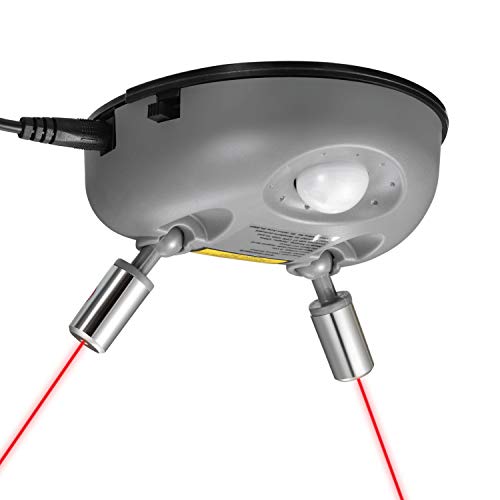
Fosmon, Wider Angle Upgrade, Dual Laser Garage Parking Assist Guide System, 360-degree Adjustable Parking Sensor with AC Adapter and Battery Backup for Car/Automotive
- Wider Angle Laser Upgrade: 75-degree laser coverage for two cars
- Easy and Accurate Parking: Helps park correctly every time
- Motion-Activated Lasers: Detects within 33 feet, shuts off after 30s
As an affiliate, we earn on qualifying purchases.
As an affiliate, we earn on qualifying purchases.
Conclusion
By using parking aids, you protect your car, your charger, and your walls. You prevent dents, scratches, and costly repairs; you avoid damage that could compromise functionality; and you maintain the integrity of your space. Parking aids offer clarity, confidence, and control. They guide your movements, guard your investments, and give you peace of mind. With parking aids, you guarantee safety, preserve value, and promote confidence—making each parking experience easier, safer, and smarter.
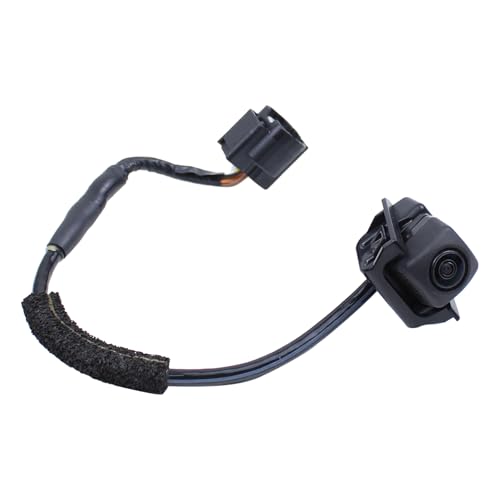
Rearview Backup Parking Assist Camera for Honda
- Compatible with Honda CR-V 2017-2022: Fits Honda CR-V models from 2017 to 2022
- Package includes: 1 Parking Assist Camera
- Installation type: Surface Mount
As an affiliate, we earn on qualifying purchases.
As an affiliate, we earn on qualifying purchases.

Promata PS01 Car Front Parking Sensor Kit with Display,4 58KHz OE Standard Sensors,Radio Mute & Bull-bar Recognition Function,Detection Distance(13~39 inch)
- Bull-Bar Recognition: Automatic detection with full coverage
- Adjustable Alarm Volume: Customize alarm levels to your preference
- Audio Mute Function: Reduces volume when stopping or reversing
As an affiliate, we earn on qualifying purchases.
As an affiliate, we earn on qualifying purchases.