
TL;DR

Get backup power and energy gear delivered free with Prime
- Fast, free delivery on millions of items
- Prime Video, Amazon Music and more included
- Member-only deals all year
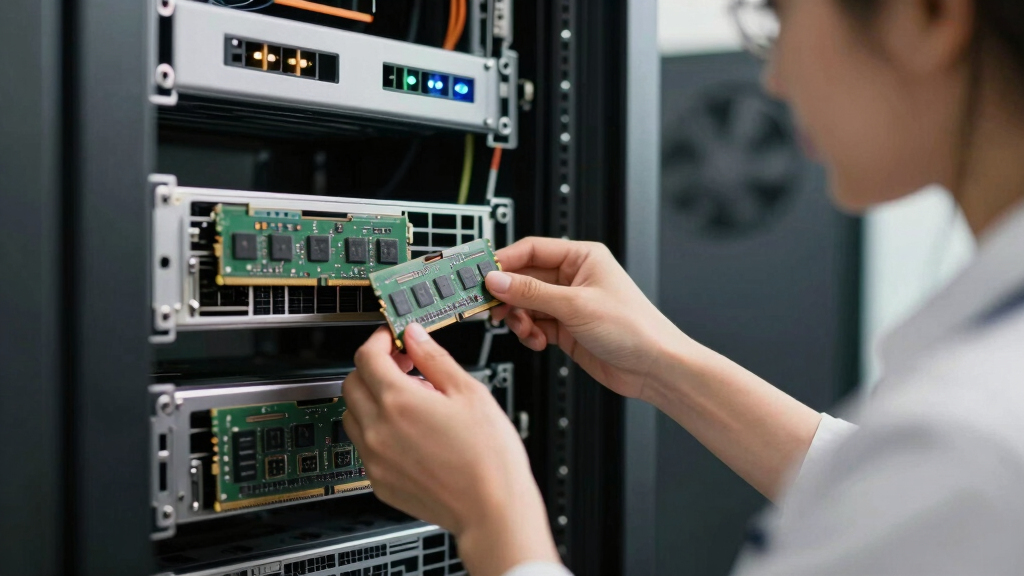
Meta has developed a new server design that reuses existing RAM modules through a custom bridge chip. This approach could lower hardware costs and enhance sustainability. The development is confirmed, but the full impact and scalability remain under evaluation.
Meta has confirmed that it is reusing existing RAM modules in its latest server designs by employing a custom bridge chip. This innovation aims to cut hardware costs and reduce electronic waste, making it a notable development in data center infrastructure.
According to Meta, the new server architecture involves repurposing older RAM modules instead of sourcing entirely new memory components. The key enabler is a custom-designed bridge chip that interfaces with the reused RAM, ensuring compatibility and performance. The company states this approach can significantly lower capital expenditures and environmental impact, especially as data centers scale up.
Meta’s technical team has shared that the bridge chip manages the communication between the server’s main processor and the reused RAM modules, effectively bridging legacy hardware with modern server requirements. The company has not disclosed specific performance metrics or the extent of RAM reuse across its infrastructure but emphasizes this as a pilot project at this stage.
Potential Cost Savings and Sustainability Benefits
This development could have a substantial impact on the data center industry by demonstrating a way to extend the lifespan of existing hardware components. If scalable, the approach might reduce the need for new RAM production, lowering environmental footprints and hardware costs for large-scale cloud providers like Meta.
It also signals a shift toward more flexible hardware architectures that can adapt legacy components to future systems, potentially influencing industry standards and practices.
As an affiliate, we earn on qualifying purchases.
Meta’s Hardware Innovation and Industry Trends
Meta has been investing heavily in data center efficiency, including custom hardware designs and sustainable practices. Prior efforts have focused on energy-efficient servers and modular hardware. This announcement marks a new direction by repurposing older hardware, aligning with broader industry trends toward hardware reuse and circular economy principles.
While the concept of reusing RAM is not entirely new, employing a dedicated bridge chip to facilitate compatibility is a novel approach. The company’s move follows a pattern of integrating custom chips to optimize hardware performance and flexibility.
“This innovative approach allows us to leverage existing hardware assets more effectively, reducing costs and environmental impact.”
— Meta spokesperson
custom bridge chip for server memory
As an affiliate, we earn on qualifying purchases.
As an affiliate, we earn on qualifying purchases.
Unanswered Questions About Scalability and Performance
It is not yet clear how well the reused RAM performs compared to new modules, or whether this approach can be scaled across Meta’s entire data center infrastructure. Details about the longevity and reliability of the reused hardware remain undisclosed. Additionally, the cost-effectiveness of manufacturing or deploying the custom bridge chip at scale is still uncertain.
enterprise server RAM upgrade kits
As an affiliate, we earn on qualifying purchases.
As an affiliate, we earn on qualifying purchases.
Monitoring Deployment and Performance Outcomes
Meta is expected to expand testing of this hardware approach within select data centers over the coming months. The company may release performance data and scalability assessments in future technical updates. Industry observers will watch for whether this method influences broader hardware reuse practices across cloud providers.
compatibility bridge chip for legacy RAM
As an affiliate, we earn on qualifying purchases.
As an affiliate, we earn on qualifying purchases.
Key Questions
How does the custom bridge chip work?
The bridge chip interfaces between the server’s main processor and the reused RAM modules, managing communication protocols and ensuring compatibility with modern server systems.
Is this approach cost-effective?
Meta claims that reusing existing RAM with the bridge chip can lower hardware costs, but detailed financial analysis has not been publicly shared yet.
Will this impact server performance?
It is currently unclear how the reused RAM performs relative to new modules, and whether there are any trade-offs in speed or reliability.
Could this method be adopted industry-wide?
Potentially, if Meta’s pilot proves successful and scalable, other cloud providers might explore similar hardware reuse strategies.
Are there environmental benefits?
Reusing existing RAM reduces electronic waste and resource consumption, contributing to more sustainable data center operations.
Source: hn
Halloween Picks
halloween
As an affiliate, we earn on qualifying purchases.