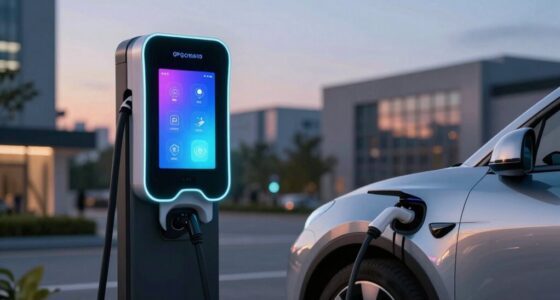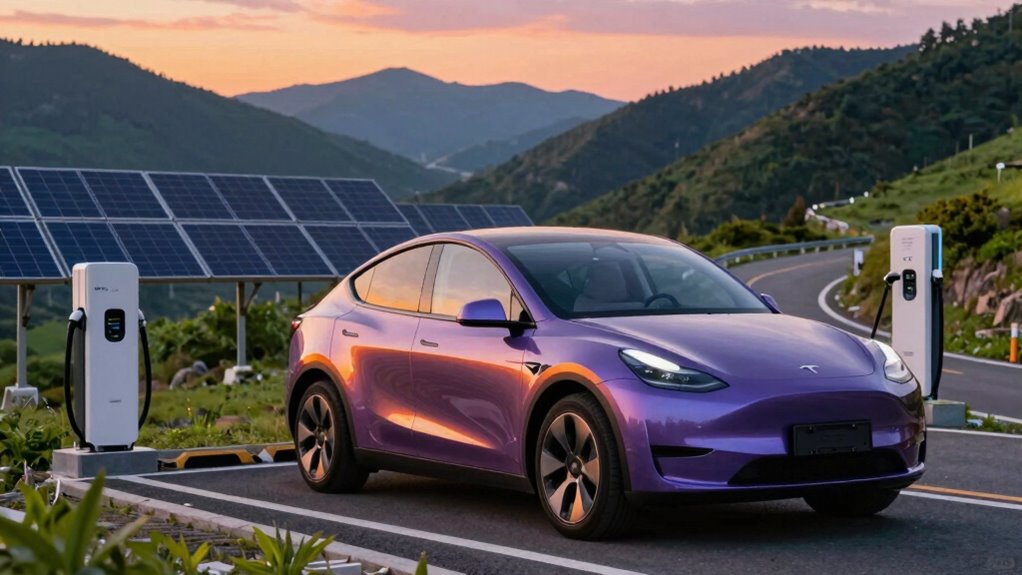

As an EV driver, you’re learning to think in regard to energy management instead of just fuel. This shift happens because EVs are now connected to renewable energy sources and grids, making you consider how your battery stores excess solar or wind power and supports the energy system. Smart charging and discharging enable you to optimize energy use and reduce costs. Keep exploring, and you’ll discover how this new mindset benefits your vehicle and the environment.

Get backup power and energy gear delivered free — and shop member deals
- Fast, free delivery on millions of items
- Access to Prime Big Deal Days deals on October 6–7
- Prime Video, Amazon Music and more included
Key Takeaways
- EV drivers focus on energy management to optimize battery life, safety, and efficiency rather than just refueling with gasoline.
- They participate in renewable energy integration by storing excess solar or wind energy in vehicle batteries.
- Smart charging strategies allow EVs to draw power during low-cost, renewable energy periods, reducing reliance on fossil fuels.
- Vehicle batteries serve as flexible energy storage, balancing supply and demand within the broader energy grid.
- Thinking in energy promotes sustainable practices, reducing emissions and supporting a resilient, renewable-powered energy system.
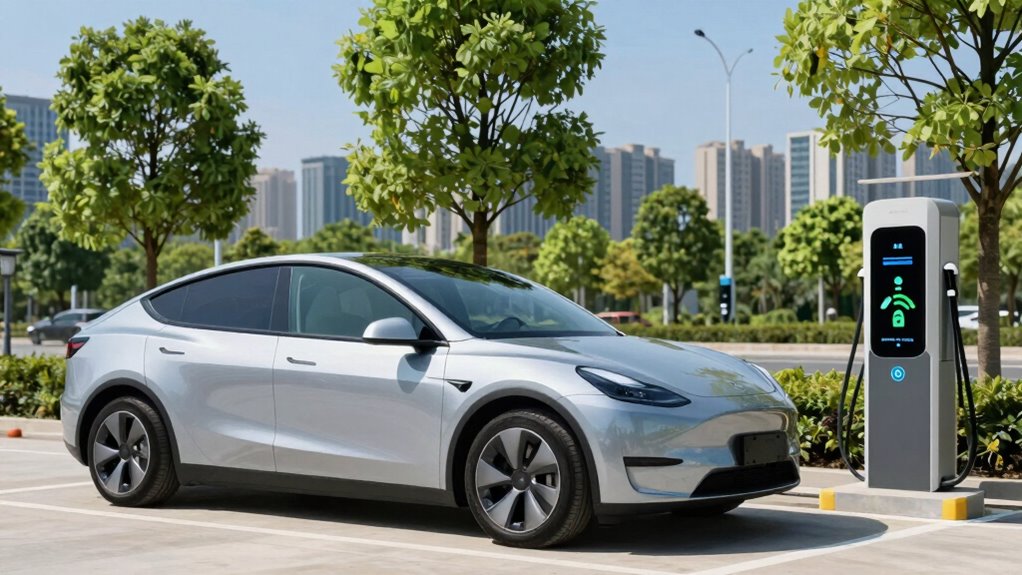
As electric vehicle (EV) adoption continues to rise, drivers are increasingly becoming aware of their role in a broader energy ecosystem. No longer just focused on powering your car, you’re starting to see the bigger picture—how your vehicle interacts with energy sources, storage, and the environment. This shift means you’re learning to think in terms of energy management rather than just refueling with gasoline. It’s about understanding how your EV’s battery is maintained and optimized through battery management systems, which ensure longevity and safety. Good battery management isn’t just about keeping your car running; it’s about making the most of every charge, maximizing efficiency, and reducing waste. You recognize that a well-managed battery can better handle fluctuations in energy supply and demand, which becomes especially important as you regard renewable energy sources. Smart energy management tools and systems are increasingly integrated into your home and vehicle to support this mindset.
Effective battery management maximizes efficiency, safety, and lifespan, supporting renewable energy use and reducing waste.
Renewable integration becomes a key part of your thinking. You’re no longer just plugging in to recharge; you’re taking into account when and how your energy is supplied. If your home is connected to solar panels or wind turbines, your EV acts as a flexible energy storage device. During peak sunlight or wind, you can store excess renewable energy in your vehicle’s battery. At times when renewable generation dips, you can draw from your EV, effectively balancing the grid and reducing reliance on fossil fuels. This mindset transforms your role from a consumer to an active participant in renewable integration, helping to stabilize the energy system and promote cleaner sources.
Thinking in energy also encourages you to ponder the timing of your charging and discharging. Instead of simply plugging in when the battery runs low, you become conscious of the grid’s load and renewable energy availability. Smart charging strategies help you take advantage of lower, renewable-powered electricity rates, which not only saves you money but also supports a greener grid. When your vehicle’s battery can feed energy back to the grid during high demand, you’re effectively turning your EV into a mobile energy resource. This shift from fuel-based thinking to an energy-centric approach makes you more aware of how your vehicle contributes to overall energy efficiency and sustainability.
Ultimately, learning to think in energy instead of fuel empowers you to make smarter choices about your vehicle, your home, and your community. You become part of a system where your EV isn’t just a mode of transportation but a dynamic component of a cleaner, more resilient energy future. This mindset fosters a sense of responsibility and opportunity—helping you reduce emissions, optimize renewable sources, and support a sustainable world.
EV smart charger with renewable energy integration
As an affiliate, we earn on qualifying purchases.
As an affiliate, we earn on qualifying purchases.
Frequently Asked Questions
How Does Energy Management Differ Between EVS and Traditional Cars?
You manage energy differently in EVs compared to traditional cars. Instead of focusing on fuel levels, you monitor your battery lifespan and charging efficiency. You plan trips around charging stations and optimize charging times to extend battery health. This shift encourages you to think *about* energy consumption and conservation, making you more conscious of how you use power, which ultimately helps maintain your EV’s performance and battery longevity.
What Role Does Home Energy Storage Play for EV Owners?
Home energy storage plays an essential role for EV owners by enabling home integration and optimizing your battery use. It allows you to store excess energy generated from solar panels or during off-peak hours, reducing reliance on the grid and lowering costs. With smart management, your storage system guarantees your EV charges efficiently, maximizing battery lifespan and energy savings while providing backup power during outages. This approach makes your energy consumption more sustainable and cost-effective.
Can EVS Help Stabilize the Power Grid?
Yes, EVs can help stabilize the power grid through vehicle-to-grid (V2G) technology and smart charging. When you connect your EV for V2G, it can supply stored energy back to the grid during peak times, easing demand. Smart charging allows you to charge your vehicle during off-peak hours, reducing strain on the grid. Together, these features turn your EV into a flexible energy asset that supports overall grid stability.
How Do Renewable Energy Sources Impact EV Charging?
Renewable energy sources like solar integration substantially impact EV charging by providing cleaner, sustainable power. When you charge your EV with solar energy, you’re boosting energy independence and reducing reliance on fossil fuels. This shift not only lowers your carbon footprint but also stabilizes the grid by distributing renewable power more evenly. As a result, you contribute to a greener future while enjoying a more resilient and sustainable energy system.
What Are the Long-Term Cost Benefits of Thinking in Energy?
Thinking in energy offers long-term cost benefits because it helps you optimize battery longevity and charging efficiency. By understanding how energy consumption impacts your EV’s battery, you prevent premature wear and reduce replacement costs. Additionally, focusing on energy use allows you to charge smarter, saving money on electricity and avoiding unnecessary charging cycles. Over time, this approach considerably lowers your overall expenses and extends your vehicle’s lifespan.
home solar compatible EV charger
As an affiliate, we earn on qualifying purchases.
As an affiliate, we earn on qualifying purchases.
Conclusion
As an EV driver, you quickly learn to think in energy rather than fuel—it’s like switching from a simple map to a GPS that guides your entire journey. This shift helps you become more mindful of your driving habits, battery life, and charging needs. Embracing this mindset makes your trips smoother and more efficient, turning your car into a sustainable partner. Once you master energy thinking, driving electric becomes second nature, just like riding a bike with no hands.
As an affiliate, we earn on qualifying purchases.
vehicle-to-grid (V2G) energy storage device
As an affiliate, we earn on qualifying purchases.
As an affiliate, we earn on qualifying purchases.
Fall Picks
fall essentials
As an affiliate, we earn on qualifying purchases.