
If you’re considering EV charging options for townhomes or condos, you’ll want to understand the different types of chargers—Level 1 and Level 2—and what infrastructure upgrades may be needed. Coordinating with property management and local authorities is key for compliance and smooth installation. Plus, exploring incentives can help offset costs. Engaging your community and establishing clear policies will guarantee fair access. Keep these points in mind to create a convenient, cost-effective charging solution — more details await if you continue exploring.
Key Takeaways
- Installing Level 2 chargers requires coordination with property management and electrical upgrades for shared parking areas.
- Incentives and utility programs can reduce costs for infrastructure upgrades and expanding charging options.
- Proper planning of electrical capacity is essential to support current and future EV charging needs.
- Community policies should address usage, access, and maintenance to ensure fair and efficient station operation.
- Promoting awareness and resident involvement helps maximize the benefits of EV charging infrastructure.
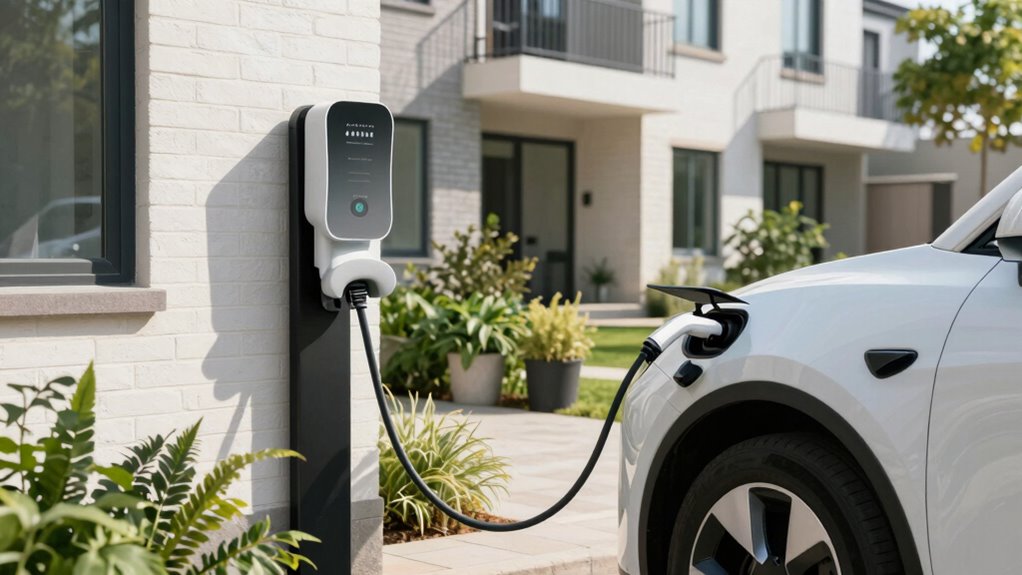
As electric vehicle (EV) adoption grows, charging options in townhomes and condos are becoming a key concern for residents and property managers alike. More people are choosing EVs for their environmental benefits and cost savings, making it crucial to have accessible charging solutions. One way to encourage EV ownership within your community is to understand and leverage electric vehicle incentives offered by local governments or utility companies. These incentives can considerably reduce the cost of installing charging stations, making it more affordable for property owners and associations to add charging infrastructure. By taking advantage of these programs, you can make your community more attractive to current and prospective residents who drive EVs.
When it comes to charging station installation, you need to factor in both the type of chargers and the process involved. Level 1 chargers are simple to set up and usually come with the vehicle, but they charge slowly and might not meet the needs of residents who need quick access to power. Level 2 chargers are faster and more practical for community settings, but they require proper electrical infrastructure and permissions from property management. Before installing any charging stations, it’s important to coordinate with your property management and possibly local authorities to ensure compliance with zoning codes and building regulations. Many communities are now establishing policies for charging station installation to streamline the process and prevent disputes.
Incorporating charging stations into shared parking areas requires planning for electrical capacity. Older buildings may need upgrades to their electrical systems to support multiple chargers, which can involve additional costs and permits. Additionally, cultural activities like community festivals or events can help promote awareness and engagement around new amenities such as EV charging stations. Proper planning for electrical capacity is essential to avoid future disruptions in service and to ensure the infrastructure can meet growing demand. Moreover, considering installation costs and potential maintenance expenses early on can help communities budget effectively and prevent unexpected financial burdens. It’s also beneficial to explore utility programs that may offer support or incentives for upgrades, further easing the financial burden. Engaging residents in discussions about cost-sharing policies can foster cooperation and ensure fair access to the charging stations. Some communities opt for shared charging stations, where residents can reserve time slots or pay for their usage, ensuring fair access for everyone.

AIMILER Level 2 Electric Vehicle (EV) Charger(WIFI APP/Plug-play), 32A, 25ft Cable ETL Certified, 220V-240V NEMA 14-50P Plug EVSE w/ J1772 Connector, Portable EV Car Charging Stations for Home Level 2
❤ [Equipped with Nema 14-50 plug 240V, Compatible with 110-120V Nema 5-15p to 14-50r EV Adapter(Not packaged) or…
As an affiliate, we earn on qualifying purchases.
As an affiliate, we earn on qualifying purchases.
Frequently Asked Questions
Are There Any Restrictions on Installing EV Chargers in Shared Parking Areas?
Yes, there can be parking lot restrictions and charger installation guidelines you need to follow. Typically, shared parking areas may require approval from the homeowners’ association or property management. You might need to adhere to specific rules about where and how you install your charger, ensuring it doesn’t block other parking spots or create safety hazards. Always review local regulations and condo or townhome policies before proceeding with installation.
How Do HOA Fees Typically Change With EV Charging Station Installations?
Installing EV charging stations is like adding a new gear to your bike—things shift quickly. Your HOA fees usually increase slightly to cover the EV charging costs, but the adjustment depends on installation costs and shared expenses. Some HOAs include these fees in your monthly dues, while others might charge separately. It’s best to check with your HOA for specific fee adjustments, ensuring you’re prepared for the extra cost.
Can Residents Share EV Charging Stations to Reduce Costs?
Yes, residents can share EV charging stations to reduce costs. Charging station cost sharing often encourages resident collaboration, making it more affordable for everyone. By coordinating schedules and pooling resources, you can split installation and electricity expenses, easing the financial burden. Just make certain your HOA or property management approves any shared use plans, and consider setting clear rules to prevent scheduling conflicts and maximize convenience for all involved.
What Are the Long-Term Maintenance Responsibilities for EV Chargers?
You’ll need to handle long-term maintenance by regularly checking charger durability and guaranteeing the equipment functions properly. You might also face power supply upgrades over time to keep up with increased demand or technological advances. Keep in mind, staying proactive with maintenance helps prevent costly repairs, prolongs the lifespan of chargers, and ensures reliable access for residents. Collaborate with a professional to schedule routine inspections and necessary upgrades.
Are There Any Government Incentives for Installing EV Chargers in Townhomes or Condos?
Yes, there are government incentives for installing EV chargers in townhomes and condos. You can access electric vehicle incentives like tax credits or rebates, which help offset installation costs. Additionally, some programs offer installation grants specifically for residential buildings. These incentives encourage EV adoption and make installing chargers more affordable, so you should check local, state, and federal programs to maximize your benefits and support sustainable transportation.
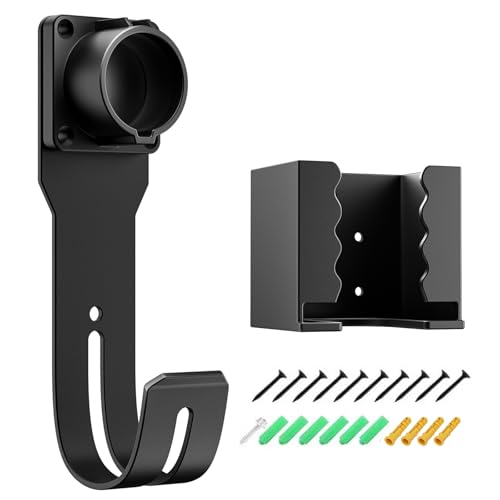
EV Charger Holder Wall Mount Kit, Ev Charging Cable Holder, EV Cable Box Organizer&J-Hook Electric Car Plug Nozzle Holster for SAE J1772 Connector(Indoor/Outdoor Use)
【EV Charger Holster】The MaizengAuto EV Charger Wall Mount Kit includes a charger holster, providing a secure dock for…
As an affiliate, we earn on qualifying purchases.
As an affiliate, we earn on qualifying purchases.
Conclusion
As you consider adding EV chargers to your townhome or condo, remember that nearly 80% of EV owners prefer home charging. This trend highlights how essential convenient, reliable charging options are becoming for urban residents. By understanding your building’s infrastructure and regulations, you can guarantee a smooth installation process. Embracing EV charging not only boosts your property’s value but also supports a cleaner, greener future—all while keeping your daily commute hassle-free.

Commercial EV Charging Station – OCPP-Compliant, Revenue-Generating Charger with Driver Pay App – Powered by EV Range Software
Earn Revenue with Every Charge: Set custom pricing and idle fees. Monthly payouts and usage reports included.
As an affiliate, we earn on qualifying purchases.
As an affiliate, we earn on qualifying purchases.
Commercial EV Charging Station – OCPP-Compliant, Revenue-Generating Charger with Driver Pay App – Powered by EV Range Software
Earn Revenue with Every Charge: Set custom pricing and idle fees. Monthly payouts and usage reports included.
As an affiliate, we earn on qualifying purchases.
As an affiliate, we earn on qualifying purchases.