
TL;DR
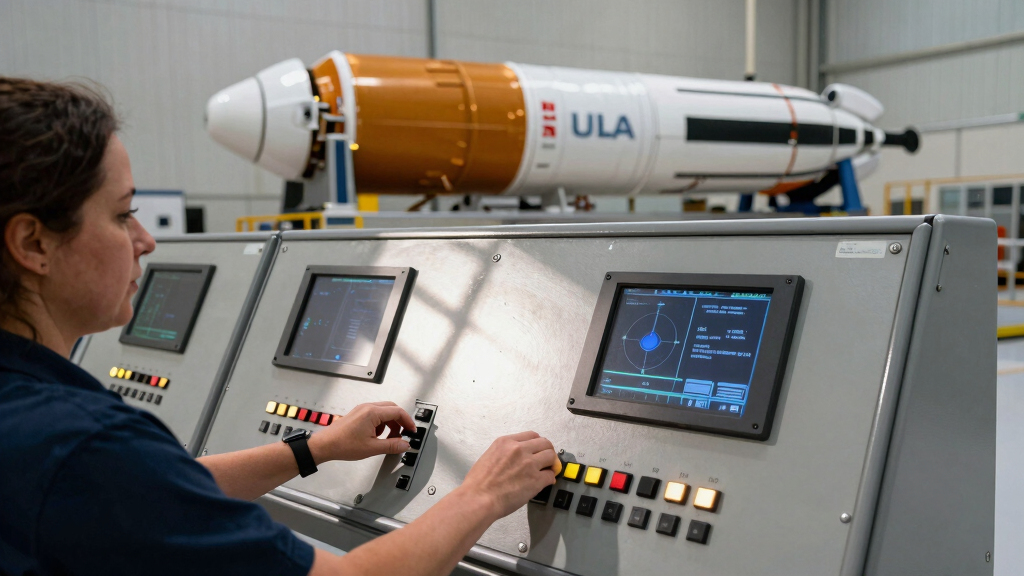
United Launch Alliance (ULA) has successfully launched its final Atlas 5 rocket, supporting Amazon Leo’s broadband satellite project. The launch concludes the Atlas 5’s operational history and advances Amazon’s efforts to expand global internet coverage.
United Launch Alliance (ULA) successfully launched its final Atlas 5 rocket on March 2024, supporting Amazon Leo’s broadband satellite constellation. The launch signifies the conclusion of the Atlas 5’s operational history and marks a milestone for both ULA and Amazon’s satellite internet ambitions.
The Atlas 5 rocket, a workhorse for U.S. space launches since 2002, was launched from Cape Canaveral Space Force Station. This mission carried the Amazon Leo satellite, part of Amazon’s ambitious plan to deploy a large constellation of broadband satellites aimed at providing global internet coverage.
According to ULA, this launch was the last Atlas 5 mission, as the series has been phased out in favor of newer, more cost-efficient rockets like the Vulcan Centaur. The launch was broadcast live and confirmed by ULA officials, with no reported issues during the operation.
Implications of the Atlas 5’s Final Launch for Satellite Deployment
This launch is significant because it closes a chapter in U.S. space launch history, as the Atlas 5 has been a reliable workhorse for nearly two decades. It also supports Amazon’s broadband ambitions, which could impact global internet access by deploying thousands of satellites.
Furthermore, the end of the Atlas 5 series reflects the ongoing shift in launch vehicle technology toward newer, more efficient rockets, which could influence future satellite deployment strategies and industry competition.
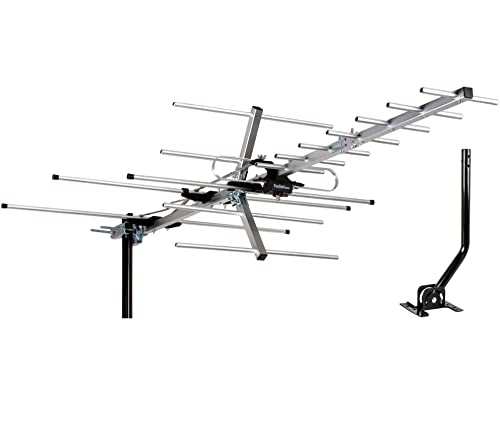
Five Star TV Antenna Indoor/Outdoor Yagi Satellite HD Antenna with up to 200 Mile Range – Attic or Roof Mount TV Antenna, Digital OTA Radio/FM Antenna for 4K 1080P with Mounting Pole
[YAGI OUTDOOR ANTENNA] Enjoy FREE local HD Channels and without cable bills. Outdoor antenna receives 4K, 1080P, 1080i…
As an affiliate, we earn on qualifying purchases.
As an affiliate, we earn on qualifying purchases.
Background on Atlas 5 and Amazon Leo Satellite Program
The Atlas 5 rocket was introduced by Lockheed Martin in 2002 and has been used for a variety of government and commercial payloads, including military satellites and interplanetary missions. ULA took over its production and operation, making it a staple in U.S. space launches.
Amazon Leo, part of Amazon’s Project Kuiper, aims to deploy a constellation of over 3,000 broadband satellites to provide high-speed internet worldwide, especially in underserved regions. The program has been progressing through multiple launches, with the Atlas 5 supporting its early deployment phases.
The final Atlas 5 launch was planned after the development of the Vulcan Centaur rocket, which is intended to replace the Atlas 5 and other legacy launch vehicles in ULA’s fleet.
“This launch marks the end of an era for ULA and the Atlas 5. We are proud to have supported Amazon Leo’s vision for global connectivity.”
— Tory Bruno, ULA CEO

energeaster 100FT RG6 Coaxial Cable with F-Type Connector, Coax Cable Cord Extender, High Speed Internet, Indoor Broadband and Digital TV Aerial for Satellite, Antenna, DVR, VCR, HDTV, Black
【100FT RG6 Coaxial Cable In Pure Black】Strong RG6 patch cable with F Pin provides ample length (100 feet)…
As an affiliate, we earn on qualifying purchases.
As an affiliate, we earn on qualifying purchases.
Remaining Questions About Future Launch Plans
It is not yet clear how Amazon Leo will proceed with subsequent satellite launches now that the Atlas 5 is retired. Amazon has contracted with other launch providers, but details about the timeline and vehicle choices remain undisclosed.
Additionally, the long-term impact of the Atlas 5’s retirement on ULA’s launch schedule and industry competition is still developing, with some industry analysts awaiting further announcements about the transition to Vulcan Centaur.

STARLINK – Pipe Adapter – Standard Kit (Latest Generation) Official Heavy Duty Mounting Fit for Starlink Satellite Wireless Internet
Ready for the elements Crafted from weather-resistant materials, the mount ensures a sturdy foundation for your Starlink, capable…
As an affiliate, we earn on qualifying purchases.
As an affiliate, we earn on qualifying purchases.
Next Steps for Amazon Leo and ULA’s Launch Fleet
Amazon is expected to continue deploying its Leo satellites using alternative launch vehicles, possibly including ULA’s Vulcan Centaur and other providers. The company has multiple launches scheduled over the next few years to expand its constellation.
ULA will focus on transitioning to its new Vulcan Centaur rockets, which are scheduled to become the primary workhorses for future missions, including those supporting commercial and government payloads.

STARLINK Standard 4X (Latest Gen) Satellite Internet Kit – WiFi 6 Router, High-Speed, Low Latency, Reliable Anywhere
🚀 Next-Generation Connectivity: Enjoy lightning-fast, low-latency internet powered by SpaceX’s Standard Dish — ideal for homes, farms, and…
As an affiliate, we earn on qualifying purchases.
As an affiliate, we earn on qualifying purchases.
Key Questions
Why was the Atlas 5 rocket retired?
The Atlas 5 was retired to make way for newer, more cost-effective launch vehicles like the Vulcan Centaur, which ULA developed to replace legacy systems and improve launch efficiency.
What is Amazon Leo’s broadband satellite project?
Amazon Leo, part of Amazon’s Project Kuiper, aims to deploy over 3,000 satellites to provide high-speed internet globally, especially in underserved areas.
What other launch options does Amazon have now?
Amazon has contracted with other launch providers, including SpaceX and United Launch Alliance’s Vulcan Centaur, to continue deploying its satellite constellation.
When will Amazon Leo complete its satellite deployment?
While specific timelines are undisclosed, Amazon plans to deploy its full constellation over the next several years, with multiple launches scheduled.
What does the end of the Atlas 5 mean for ULA?
ULA will now focus on the Vulcan Centaur rocket, which is expected to handle most of its upcoming missions, marking a transition in ULA’s launch fleet.
Source: google-trends