
TL;DR

Get backup power and energy gear delivered free with Prime
- Fast, free delivery on millions of items
- Prime Video, Amazon Music and more included
- Member-only deals all year
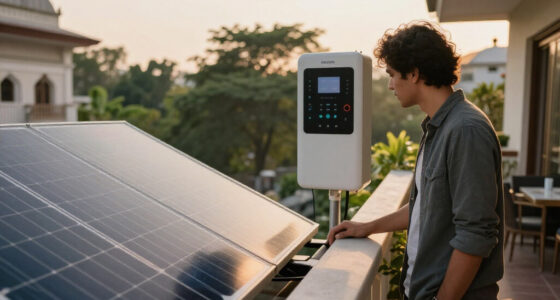
HVAC controls company Airzone has joined Equiwatt in the Ofgem-funded CoolDown project, which tests ways to reduce electricity demand from air conditioning during peak periods. Airzone Cloud will allow participating systems to adjust cooling automatically; a second trial is planned for 2027, but the project has not published measured results from its first trial.
HVAC controls company Airzone has joined UK climate technology company Equiwatt in CoolDown, a £5.5 million Ofgem-funded research project testing how households can reduce air-conditioning use during periods of high electricity demand. Airzone’s Cloud controls will let participating systems adjust cooling automatically, rather than relying only on customers to switch equipment off themselves.
CoolDown is led by SP Electricity North West and National Grid, in collaboration with University College London and Guidehouse Europe. It studies demand-response events: periods when customers are asked to voluntarily reduce or pause air-conditioning use, typically for one or two hours on weekday evenings. The project is intended to examine how rising cooling use may affect the UK electricity network.
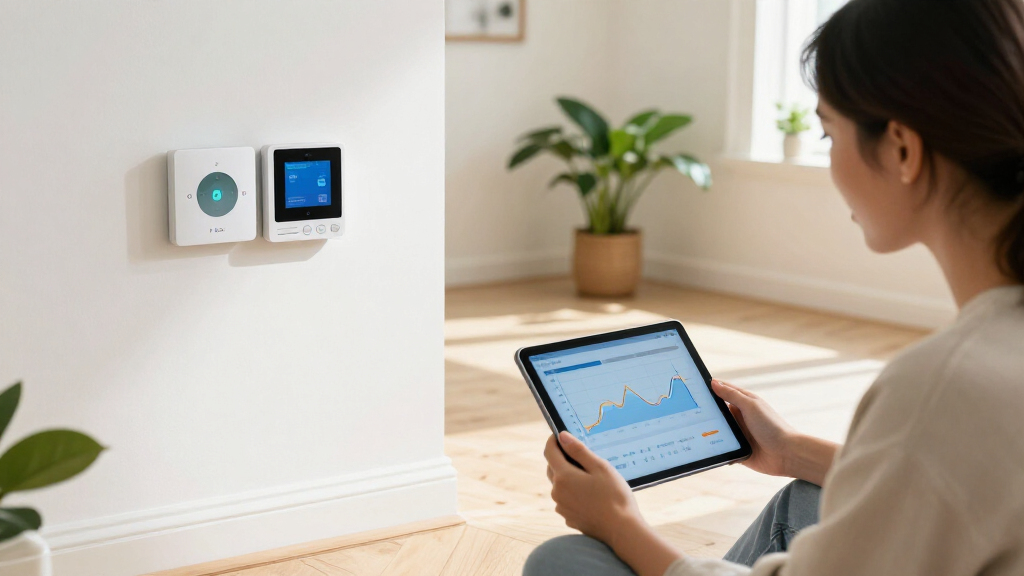
Events are forecast using factors including weather, renewable generation and expected electricity consumption. Equiwatt notifies trial participants through its app, where they can choose to reduce use manually. With Airzone’s participation, compatible systems can instead respond through Airzone Cloud, automating energy-saving adjustments during an event. The report says this could make participation easier when occupants are away, though it does not specify the number of systems or households involved.
The project has run two summer trials. The first, which initially focused on the Northwest, was completed in September. The source report says the second trial is expected in 2027, with an expanded scope and integration of National Grid licence areas. It does not provide detailed findings from the completed trial.
Automating Cooling During Peak Demand
The partnership tests whether air-conditioning can be treated as a flexible electricity load, rather than demand that must always be met at the moment it occurs. If systems can briefly reduce or adjust cooling during network peaks, that may help operators manage pressure as cooling use grows. The project is a research effort, however; the available information does not establish how much electricity automated adjustments will save or whether they will reduce network constraints at scale.
Automation also changes the customer task. Manual demand response depends on people seeing an alert and acting promptly. Airzone’s controls are intended to handle adjustments through connected systems, potentially allowing participation without someone being at home. The project will need to show how those controls perform in practice and how they balance demand reduction with occupants’ comfort.
Products Worth Considering

Vantrue N4S 3-Channel Dash Cam with STARVIS 2 Night Vision

VIOFO A229 Plus 2K Front and Rear Dash Cam

VIOFO A229 Pro 3-Channel 4K Dash Cam with STARVIS 2 Sensors
As an affiliate, we earn on qualifying purchases.
From Ofgem Funding to Summer Trials
CoolDown follows an Ofgem Strategic Innovation Fund award of £5.5 million for research into the effect of air conditioning in homes and offices on the UK power grid. The project’s focus reflects a potential shift in electricity demand: more cooling may be needed as temperatures rise, while electrification of heating and transport also changes how and when power is used.
Airzone is joining as a technology partner, while Equiwatt supplies the app and platform used to notify participating households. The project’s demand-response approach is voluntary: customers can act on an alert, and Airzone-enabled equipment may make an adjustment automatically. The reported timeline places the first summer trial’s completion in September and a broader second trial in 2027; it does not state the year for the September completion.
Trial Results and Customer Effects
The available report does not include measured results from the first trial, such as the number of participants, energy reduced per event, customer response rates or effects on comfort. It also does not specify which Airzone systems qualify, how many will be connected, or the exact operating limits for automated adjustments.
Airzone’s director said air-conditioning demand had risen and described a recent surge, but the report supplies no underlying demand data or independent assessment. It is also unclear how the project will measure network benefits, how customers can opt out of automated responses, and whether the approach would be suitable beyond the trial areas.
A Broader Trial Planned for 2027
CoolDown is expected to expand its second trial in 2027, including National Grid licence areas, according to the source report. That phase should give the project a chance to test the approach across a wider footprint, including Airzone’s automated control alongside Equiwatt’s notifications and manual response option.
The project’s next useful updates will be details on participation, event frequency and duration, measured changes in electricity use, and any reported effects on household comfort. No specific publication date for trial findings or further project milestones has been provided.
Key Questions
What is the CoolDown project?
CoolDown is a £5.5 million Ofgem-funded UK research project studying how voluntary reductions in air-conditioning use could help manage electricity demand during peak periods.
What will Airzone contribute?
Airzone is bringing HVAC control technology. Through Airzone Cloud, participating systems are intended to adjust cooling automatically during demand-response events, rather than depending solely on a household member to switch equipment off.
How are participants told when to reduce cooling?
Equiwatt’s app notifies enrolled customers when a peak-demand event is triggered. Forecasts use factors such as weather, renewable generation and expected electricity consumption.
When is the next trial?
The first summer trial was completed in September. The report says the expanded second trial is planned for 2027, including National Grid licence areas; it does not give a precise start date.
Has the project shown how much electricity it can save?
Not in the information available. The report provides no quantified results from the first trial, so the energy savings and effects on customer comfort remain unclear.
Source: coolingpost.com