
TL;DR
London Underground has initiated a pilot program to scan passengers’ faces using facial recognition technology. The move aims to improve security and streamline operations but has sparked privacy debates. The program is currently in testing phases with limited deployment.
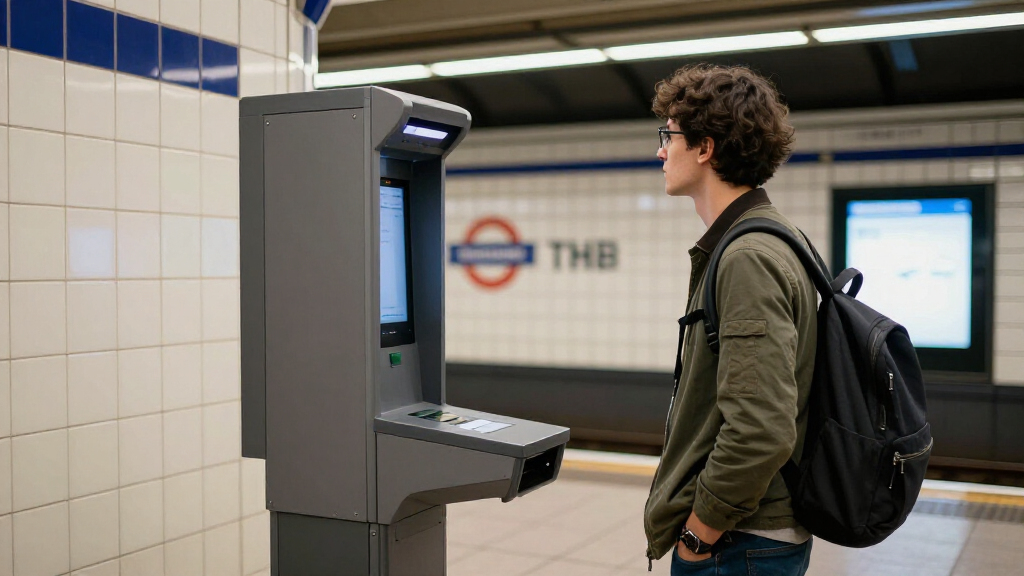
London Underground has started implementing facial recognition technology to scan passengers as part of a pilot program, confirmed by Transport for London (TfL). This development marks the first use of such technology in the UK’s major transit system, aiming to enhance security and operational efficiency amid ongoing privacy debates.
According to TfL, the face scanning system is currently in a trial phase at selected stations, including King’s Cross and Liverpool Street. The technology captures images of passengers’ faces and compares them against a database to identify individuals of interest or verify identities for certain services. TfL states that the system is designed to operate with strong data protection measures and is used solely for security purposes during this pilot.
Officials emphasize that the program is voluntary for passengers and that signage informs travelers about the scanning process. The technology is reportedly capable of processing thousands of faces per minute, with data stored temporarily and deleted afterward, according to TfL. Privacy advocates and opposition politicians have raised concerns about potential misuse and data security, with some calling for transparency and clear limits on data retention.
Implications of Facial Recognition in Public Transit
This move by London Underground introduces facial recognition technology into everyday public transportation, which could set a precedent for other transit systems worldwide. While officials highlight security benefits, such as faster identification of persons of interest and potential crime prevention, privacy groups warn about the risks of mass surveillance and data misuse. The development raises questions about how passenger data is protected and whether consent is adequately obtained, making it a key issue for public trust and civil liberties.
facial recognition security camera
As an affiliate, we earn on qualifying purchases.
As an affiliate, we earn on qualifying purchases.
Background on Facial Recognition Trials in London Transit
London Underground has previously experimented with various security measures, but the current facial recognition pilot marks a significant escalation. The technology was first announced in early 2024, amid broader discussions about surveillance and safety in public spaces. Similar systems have been tested in other cities, but widespread deployment remains controversial. The UK government has also explored legal frameworks to regulate biometric data use, though specific policies for TfL are still under review.
“The facial recognition system is part of our ongoing efforts to improve security and passenger experience during this pilot phase.”
— Transport for London spokesperson
As an affiliate, we earn on qualifying purchases.
Unclear Scope and Future of Face Scanning Program
It remains uncertain how long the pilot will run, whether face scanning will be expanded across all stations, and how data will be managed long-term. Authorities have not provided detailed legal safeguards or clarified whether passengers can opt out. The potential for misuse or data breaches is also a concern that has not been fully addressed.
privacy protection face recognition
As an affiliate, we earn on qualifying purchases.
As an affiliate, we earn on qualifying purchases.
Next Steps and Monitoring of the Pilot Program
TfL plans to evaluate the pilot’s effectiveness and public feedback over the coming months. A decision on broader deployment will depend on security benefits, privacy considerations, and regulatory compliance. Public consultations and transparency measures are expected to increase as the program progresses. Additional updates are anticipated by late 2024.
portable facial recognition device
As an affiliate, we earn on qualifying purchases.
As an affiliate, we earn on qualifying purchases.
Key Questions
Is face scanning mandatory for all passengers?
No, the current pilot states that the system is voluntary, with clear signage informing passengers about the process.
How is passenger data protected during face scans?
Transport for London claims that facial images are processed in real-time, stored temporarily, and deleted afterward, with strong data security measures in place. Specific details are still limited.
Could this technology be expanded to other cities or transit systems?
While possible, expansion depends on the pilot’s success, public acceptance, and regulatory approval. Other cities are observing the developments in London.
What are the privacy concerns associated with this system?
Critics worry about mass surveillance, data misuse, lack of clear consent, and potential for tracking individuals without their knowledge.
When will TfL decide whether to continue or expand the program?
A formal review is expected later in 2024, with potential decisions made after assessing pilot results and stakeholder feedback.
Source: hn