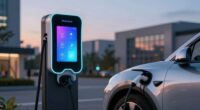
If you’re a Tesla owner, you prefer home charging gear that seamlessly matches your vehicle’s ecosystem, focusing on aesthetic design and compatibility. Non-Tesla owners prioritize versatile chargers with fast charging capabilities, technical specs, and affordability, to fit their broader range of EVs and daily routines. You’ll find their shopping driven by features and value, not brand loyalty. Curious to explore how these differences shape your choices? Keep exploring for more insights.

Get backup power and energy gear delivered free — and shop member deals
- Fast, free delivery on millions of items
- Access to Prime Big Deal Days deals on October 6–7
- Prime Video, Amazon Music and more included
Key Takeaways
- Tesla owners prefer Tesla-specific chargers that seamlessly integrate with their vehicle ecosystem and match their design aesthetic.
- Non-Tesla owners prioritize versatile, cost-effective chargers with advanced technical features for compatibility across multiple EV brands.
- Tesla owners rely on Tesla’s extensive Supercharger network, reducing the need for home charging infrastructure.
- Non-Tesla owners see home charging as essential for daily routines and seek flexible solutions suited to varied lifestyles.
- Brand loyalty influences Tesla owners’ shopping choices, while non-Tesla owners evaluate options based on features, reviews, and affordability.
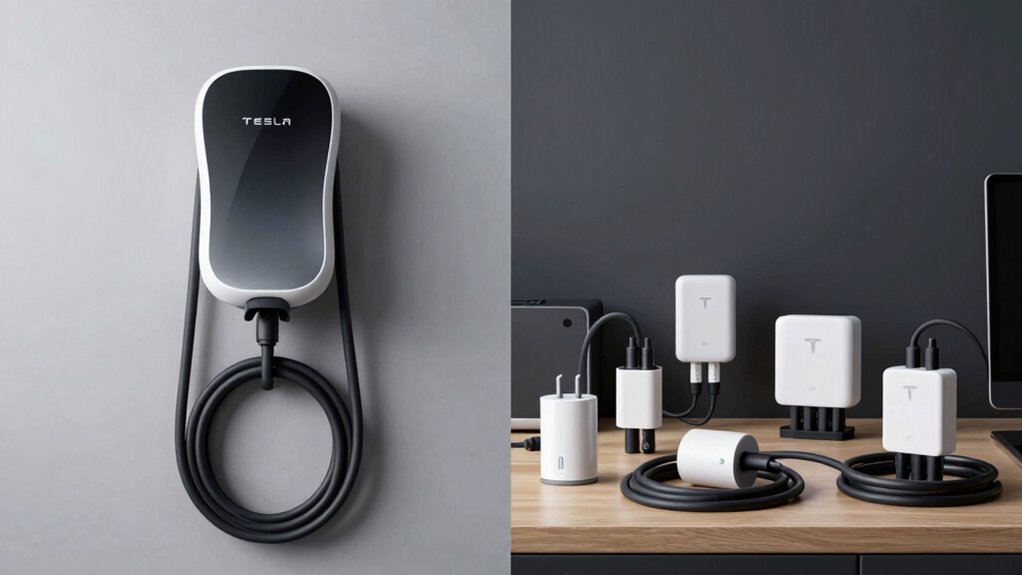
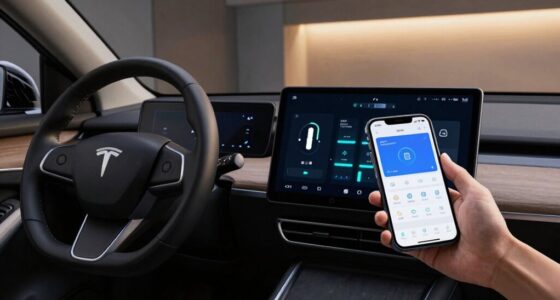
When it comes to shopping for home charging gear, Tesla owners often approach the process differently than non-Tesla electric vehicle (EV) owners. A big reason for this difference is how each group perceives charging station accessibility. Tesla has built a vast, exclusive network of Superchargers, making long-distance travel more convenient and reducing the urgency to invest heavily in home charging infrastructure. This network fosters a sense of confidence that they can rely on fast charging stations when needed. Conversely, non-Tesla EV owners tend to see home charging as more essential because their access to fast chargers might be more limited or inconsistent. They often prioritize installing high-capacity home chargers to guarantee they can recharge quickly and conveniently without depending solely on public stations.
Tesla owners rely on Superchargers, while non-Tesla drivers prioritize home chargers for consistent, convenient recharging.
Brand loyalty factors also heavily influence how each group shops for home charging gear. Tesla owners often stick to the brand because of trust in Tesla’s technology, design, and integrated ecosystem. They’re inclined to buy Tesla-specific chargers or accessories that seamlessly integrate with their vehicles, feeling that the compatibility and reliability assure the investment. Non-Tesla EV owners, however, usually evaluate a broader range of brands. They may consider chargers from multiple manufacturers based on features, price, and compatibility with their particular vehicle models. Their purchasing decisions are frequently driven by the desire to find the most versatile or cost-effective solution rather than brand allegiance.
Another aspect shaping your shopping approach is the perceived value of the charging gear. Tesla owners often see Tesla-specific chargers as an extension of their vehicle’s ecosystem, which adds to their loyalty. They might prioritize chargers that match Tesla’s aesthetics and are designed to work flawlessly with their car’s charging port. Non-Tesla owners, on the other hand, tend to focus on technical specifications, such as charging speeds, connector types, and future-proof features. They’re more likely to compare different brands’ offerings, reading reviews and seeking recommendations to find the best fit for their needs. Additionally, some non-Tesla owners are influenced by the growing variety of charging options available in the market, which offers more choices tailored to different preferences and budgets. This diversity is partly driven by the expanding market of EVs, encouraging consumers to seek versatile and adaptable charging solutions. Recent advancements in charging technology have further expanded options, making it easier for non-Tesla owners to select chargers that match their specific requirements. As the charging infrastructure continues to grow, non-Tesla owners are increasingly able to rely on public and private charging stations, making home charging a complementary but not exclusive option. Ultimately, your decision to buy home charging gear hinges on your unique driving habits, your access to public charging stations, and your brand preferences. Tesla owners often feel confident relying on Tesla’s charging network and prefer accessories that align with their vehicle’s ecosystem. In contrast, non-Tesla owners tend to view home charging as a crucial part of their daily routine, prompting them to explore a wider array of brands and features to ensure flexibility and efficiency. Both approaches stem from different priorities shaped by experience, familiarity, and the specific needs of your EV lifestyle.
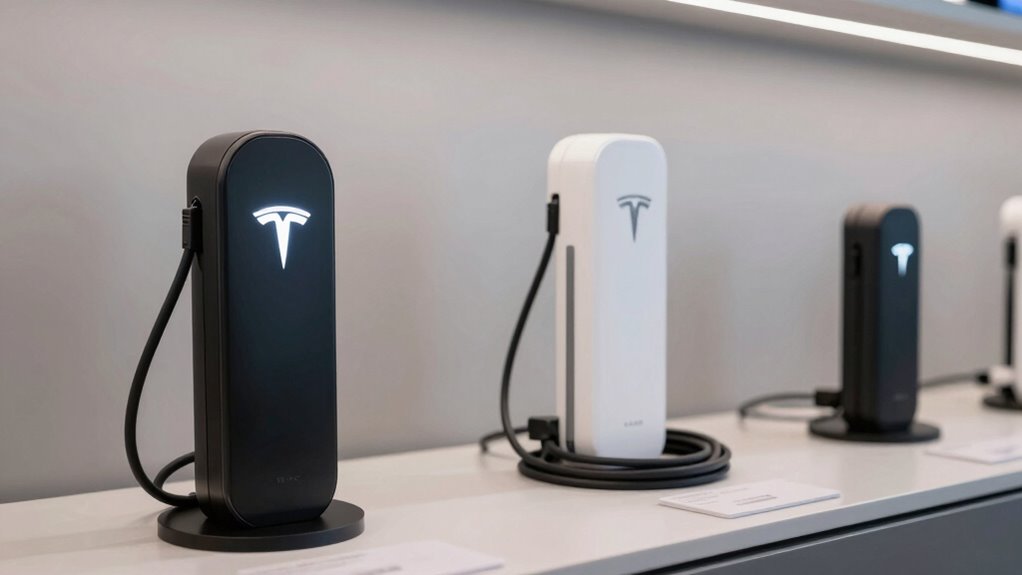
Tesla Wall Connector home charging station
As an affiliate, we earn on qualifying purchases.
As an affiliate, we earn on qualifying purchases.
Frequently Asked Questions
Do Non-Tesla Chargers Support Tesla Vehicles?
Non-Tesla chargers can support Tesla vehicles if they meet the right charger compatibility and power standards. Many Level 2 chargers use universal connectors like J1772, which require an adapter for Tesla cars. Tesla’s Wall Connector is designed specifically for their vehicles, but third-party chargers often support multiple EVs, including Teslas, as long as you have the correct adapters and the charger adheres to standard power requirements.
How Do Installation Costs Vary Between Tesla and Non-Tesla Chargers?
Installation costs for Tesla chargers often tend to be higher due to their specific wiring and setup requirements, but they usually come with extensive warranty coverage that guarantees peace of mind. Non-Tesla chargers may have lower installation costs and flexible warranty options, depending on the brand and installer. Your choice impacts overall expenses, so consider both installation costs and warranty coverage to find the best fit for your home charging needs.
Are There Brand Preferences Among Tesla Owners?
Back in the day, brand loyalty heavily influences your choices. As a Tesla owner, you likely prefer Tesla-specific chargers because they seamlessly integrate with your vehicle, offering superior charging aesthetics. You might favor Tesla’s branded charging stations for their reliability and sleek design, whereas non-Tesla owners often explore various brands based on price, features, and aesthetics. Your preferences are shaped by a mix of loyalty, aesthetics, and practical performance considerations.
What Safety Features Are Prioritized by Different Owners?
You prioritize different safety features based on your user preferences and charging safety concerns. Tesla owners often focus on integrated safety systems, like automatic shut-off and advanced error detection, ensuring a seamless, secure charging experience. Non-Tesla owners might emphasize robust circuit protection and easy-to-understand safety labels. Ultimately, your choice depends on what you value most for charging safety, whether it’s automation, simplicity, or all-encompassing protection.
Do Charging Speeds Influence Shopping Choices Differently?
Charging speeds definitely influence your shopping choices, especially if you value charging convenience. Faster chargers save you time and make daily use more practical, so you’re willing to pay a premium. However, if you’re price sensitive, you might opt for a slower charger that fits your budget. Your decision hinges on balancing the importance of quick charging with your budget constraints, ensuring your home setup meets your daily needs.
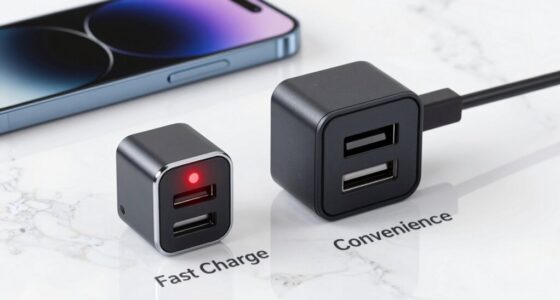
versatile EV charger for multiple brands
As an affiliate, we earn on qualifying purchases.
As an affiliate, we earn on qualifying purchases.
Conclusion
So, as you stand at the crossroads of charging choices, remember that your decision shapes your EV experience. Whether you’re drawn to Tesla’s seamless ecosystem or exploring options beyond, your home charging gear becomes more than just a purchase—it’s your gateway to freedom on the road. Like a key opening endless adventures, picking the right charger fuels your journey and keeps you moving forward. After all, isn’t the road ahead what truly matters?
As an affiliate, we earn on qualifying purchases.
Tesla compatible charging accessories
As an affiliate, we earn on qualifying purchases.
As an affiliate, we earn on qualifying purchases.
Fall Picks
fall essentials
As an affiliate, we earn on qualifying purchases.