
Most people think of a second as too small to matter. For a solar-and-backup system, it can be the difference between a smooth handoff and a blink that resets a router, dims a light, or interrupts equipment. The trick is not simply to react faster; it’s to understand what happened across the whole system at the instant of change.

Get backup power and energy gear delivered free with Prime
- Fast, free delivery on millions of items
- Prime Video, Amazon Music and more included
- Member-only deals all year
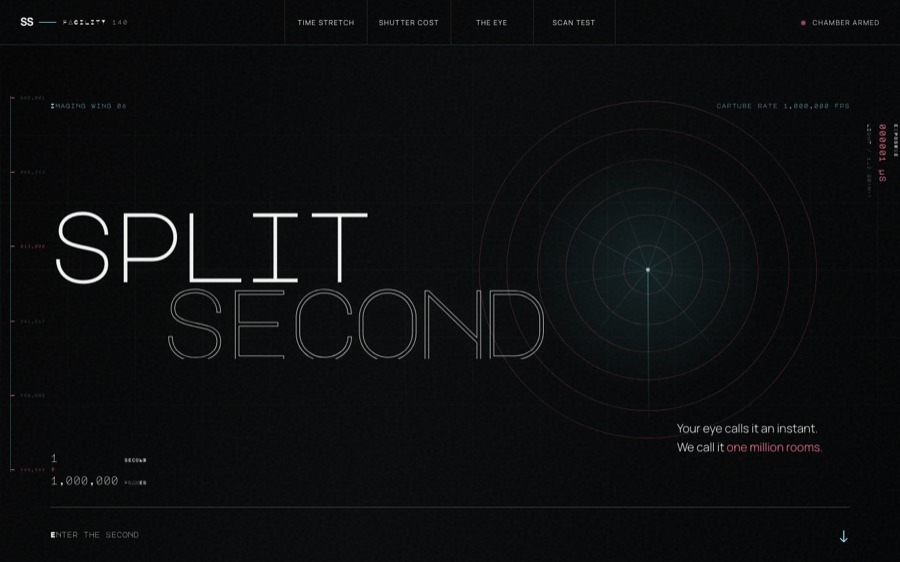
The Split Second Facility’s “One Clock, Many Views” technique offers a useful way to think about that challenge. By lining up multiple observations against one shared clock, it turns scattered events into a frame-by-frame account. Applied to home energy, that perspective can help designers and installers ask better questions: What did the inverter do when the grid dropped? When did the battery begin supplying power? Did the load see the transition as one event—or several?
The full case study follows the method behind this precise view of time, and shows how a million captured states can make an otherwise invisible transition legible. Its most surprising lesson is not about speed alone—it’s about what becomes visible when every view agrees on the same second.
Read the full design teardown → · Visit the live room
As an affiliate, we earn on qualifying purchases.
solar inverter with real-time data
As an affiliate, we earn on qualifying purchases.
As an affiliate, we earn on qualifying purchases.
As an affiliate, we earn on qualifying purchases.
As an affiliate, we earn on qualifying purchases.
Halloween Picks
halloween
As an affiliate, we earn on qualifying purchases.